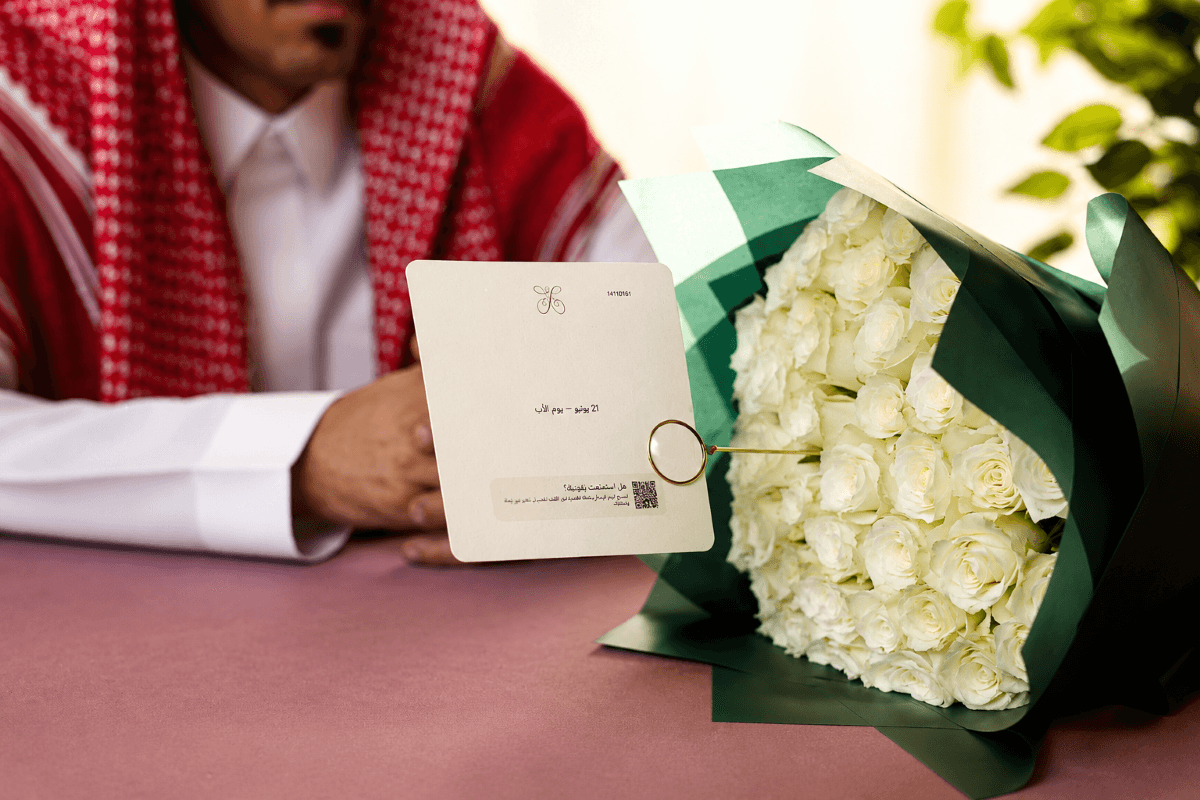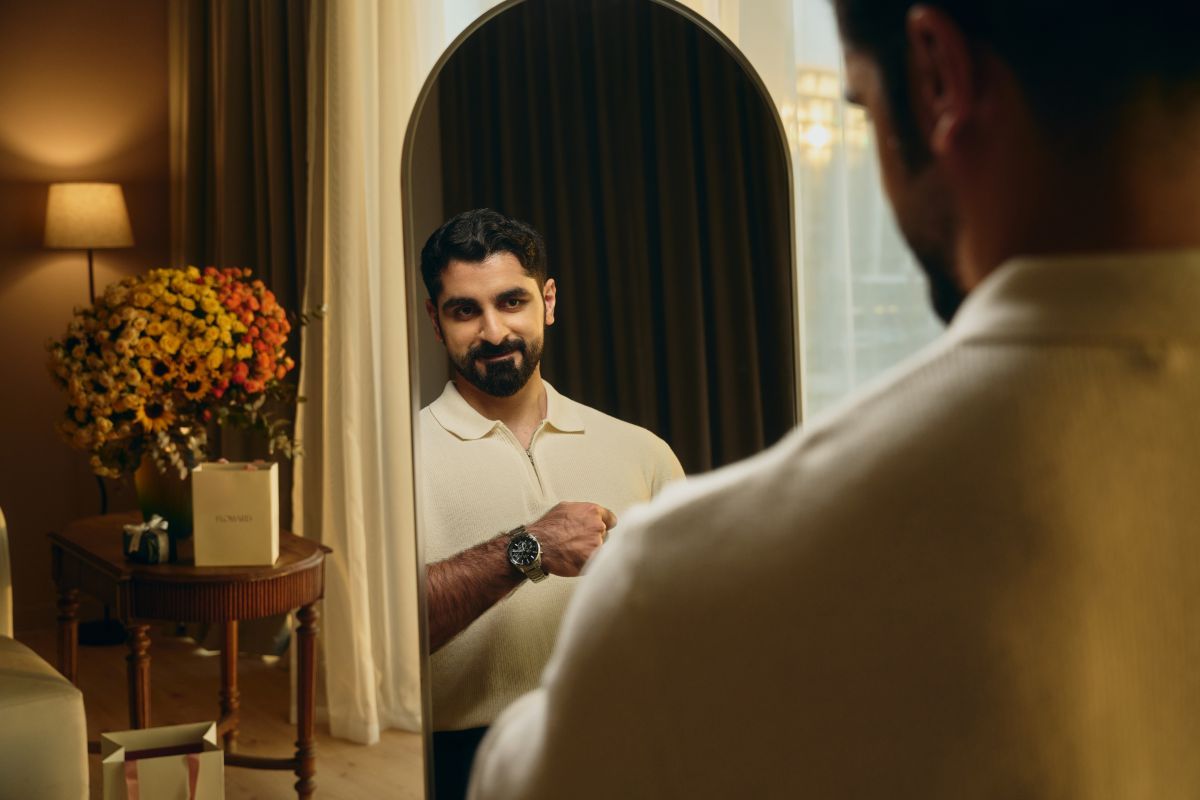
Perfume isn't just a scent—it’s an experience, an emotion, a memory. One of the most beautiful—and often overlooked—ways to personalize your fragrance is through perfume layering. In this guide, we’ll walk you through everything you need to know to start your own perfume layering experience like a pro.
What Is Perfume Layering?
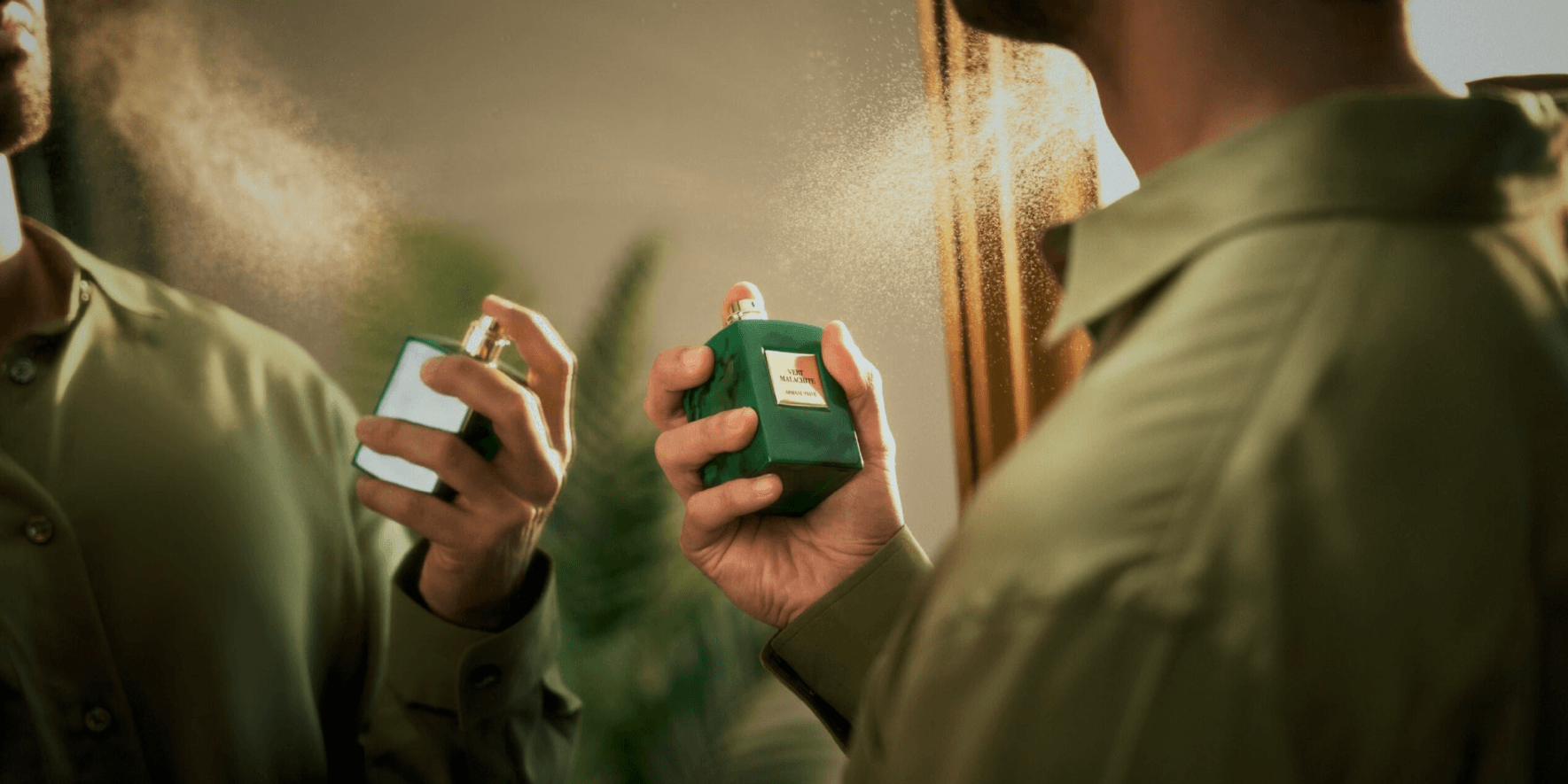
Perfume layering is the practice of combining two or more scents to create a fragrance that is uniquely yours. Instead of sticking to one perfume, you build a personalized scent profile by applying different fragrances, whether oils, sprays, or lotions, in thoughtful layers.
What Are the Origins of Perfume Layering?
Perfume layering is a centuries-old practice rooted in ancient cultures, particularly in the Middle East, India, and parts of Africa, where scented oils and resins were used in both ceremonial and daily rituals to express identity, beauty, and status. In Middle Eastern tradition especially, layering is a deeply ingrained part of cultural heritage—combining oud, musk, amber, and rose is not only common but symbolic of elegance, pride, and hospitality. It’s a ritual of presence, where fragrance becomes both a personal signature and a gesture of generosity.
Is Perfume Layering for Women Only?

Absolutely not. While many women enjoy layering for a softer, floral effect, men also layer to create depth, warmth, and distinction. In fact, many of the most sophisticated masculine scents come from blending spicy, woody, and musky notes. Layering is for anyone who wants to express themselves more fully through fragrance.
What Are the Principles of Perfume Layering?
Perfume layering depends on your personal preferences, but if you're a beginner, we recommend the following:
- Start Light, End Deep: Apply lighter scents (like citrus or florals) first. Follow with heavier ones (like oud, vanilla, or patchouli). This helps the scent evolve naturally on your skin.
- Think in Notes: Perfumes are built in three layers: top, heart, and base. When layering, you want balance—not just doubling up on top notes.
- Use Unscented Bases: Start with unscented or lightly scented lotions or oils to help your perfume last longer and not clash.
- Stay Within a Family (When in Doubt): If you’re unsure, try combining perfumes from the same fragrance family—like florals with florals, or woods with spices.
Can I Layer Different Perfume Brands Together?
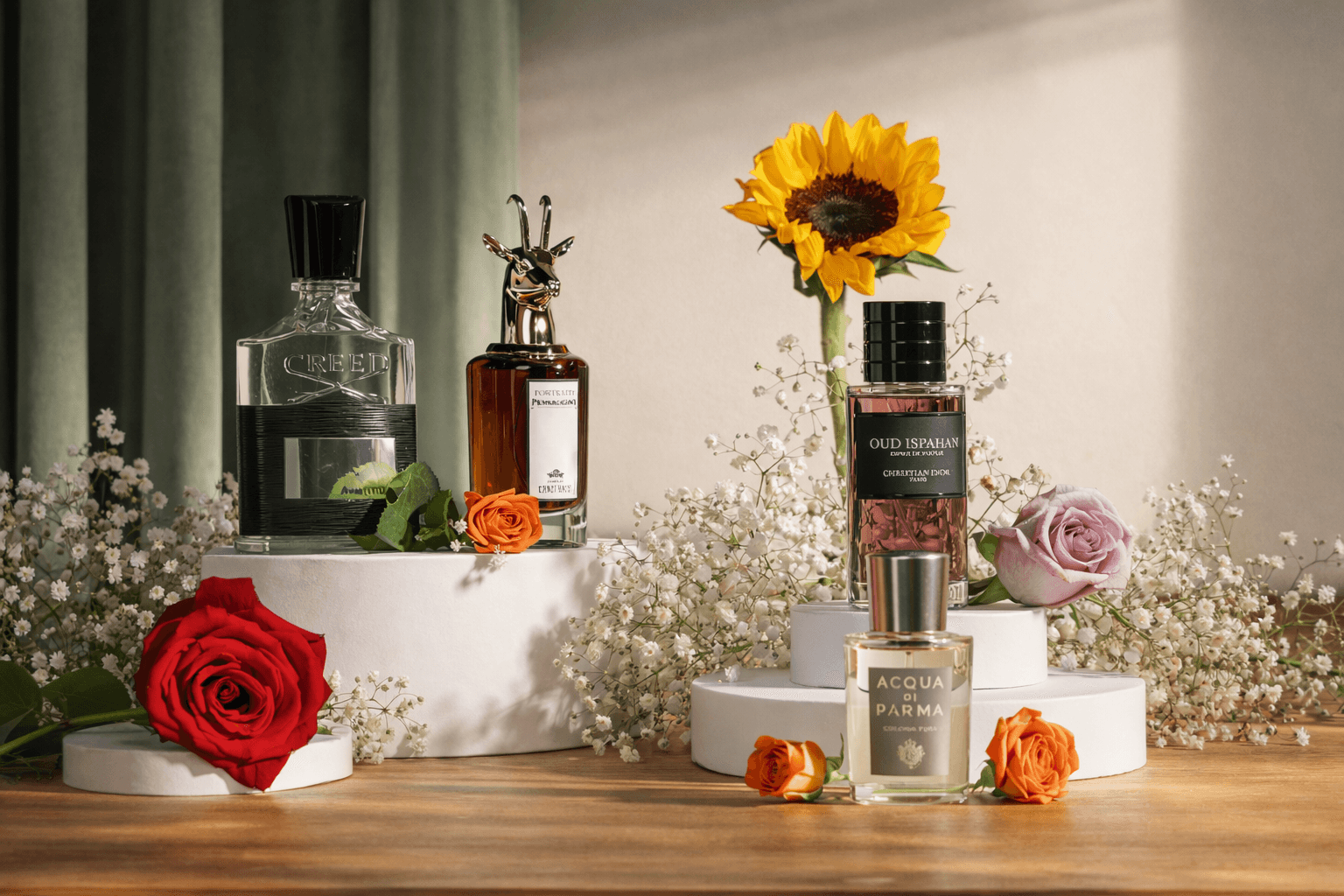
Yes, and in fact, some of the best results come from mixing different brands. Don’t feel locked into using matching sets. However, test the combination on your wrist first—it’s essential to make sure the ingredients harmonize instead of compete.
The Dos and Don’ts of Perfume Layering
| DO: | DON’T: |
|
|
What Fragrance Notes Work Best Together?
Classic winning combos include:
- Rose + Oud: A timeless Middle Eastern pairing.
- Citrus + Musk: Fresh, clean, and long-lasting.
- Vanilla + Sandalwood: Warm and comforting.
- Amber + Incense: Deep and luxurious.
How Long Should I Wait Between Layers?
Wait about 20 to 30 seconds between each application to allow the first scent to settle. This helps each layer express itself without getting muddied.
Does Skin Type Affect Perfume Layering?
Yes. Dry skin absorbs perfume faster, making it fade quickly. Use a moisturizing base (like unscented body oil) to help scents cling. Oily skin holds onto perfume longer, often amplifying the base notes.
Where Should I Apply Layered Perfume?

- Pulse points: Neck, wrists, behind the ears.
- Clothing: For longer projection—try the final layer on your scarf or abaya.
- Hair: Mist lightly from afar; alcohol-based sprays can dry it out.
Can I Mix Oil-Based and Alcohol-Based Perfumes?
You can, and it often produces rich, long-lasting results. Apply oil-based perfumes first, then layer with alcohol-based sprays. This method is especially common in Gulf perfumery.
How Does Weather Affect Layering Scents?
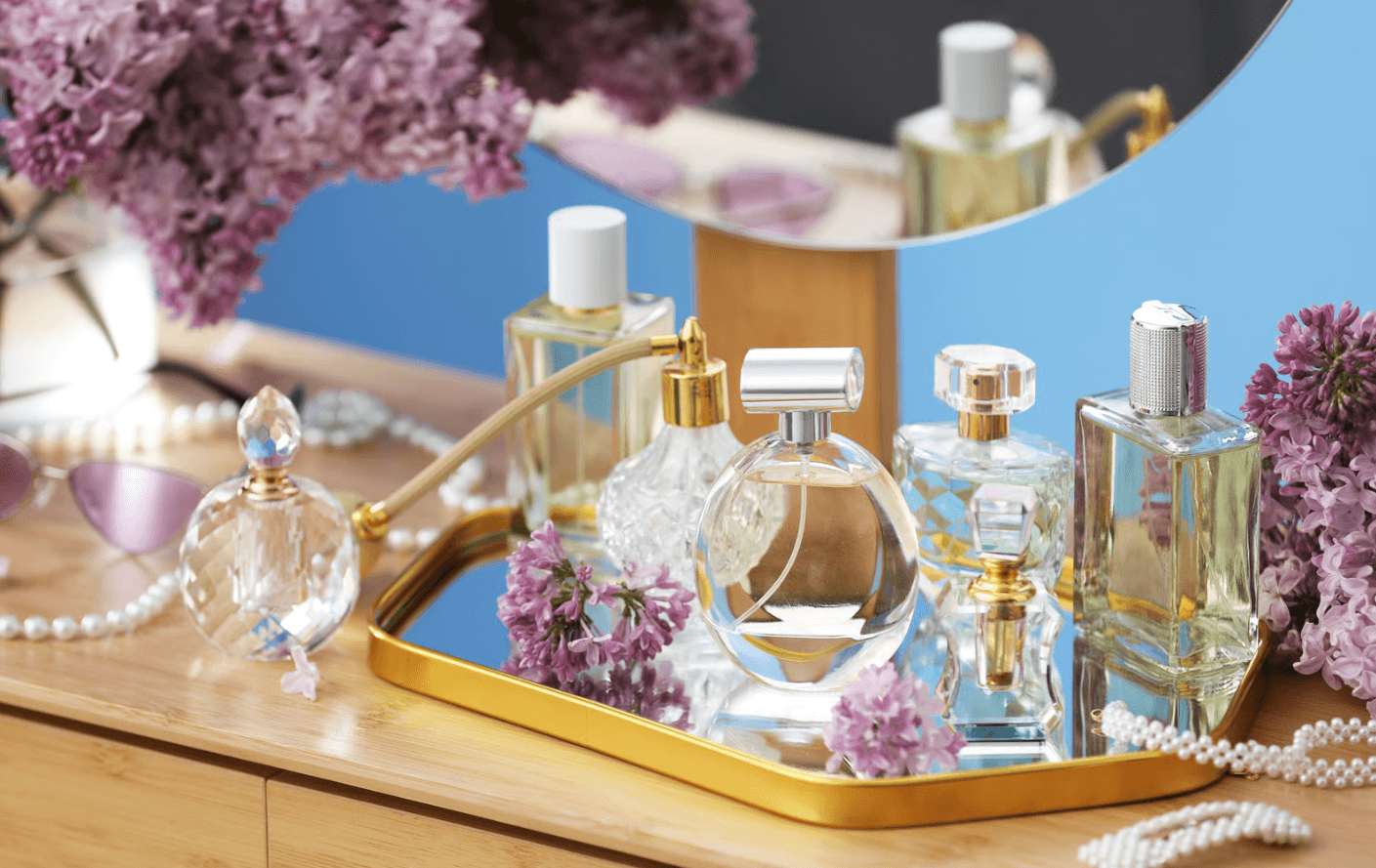
Weather plays a significant role in how your layered fragrance develops and lasts. Temperature and humidity can either amplify or mute certain notes, so adjusting your scent strategy seasonally ensures your fragrance always feels balanced and pleasant.
- Hot weather: Stick to airy, citrus, or aquatic notes that feel light and refreshing on the skin. Avoid overly sweet or heavy layers that can become overpowering in the heat.
- Cold weather: Embrace warm, resinous, or spicy layers like amber, oud, or vanilla. These notes tend to unfold beautifully with body heat and offer a comforting richness in cooler temperatures.
How to Create Your Signature Scent Through Layering
Experiment with a core note you love—maybe rose, musk, or sandalwood. Try layering it with contrasting families to see what adds warmth, freshness, or depth. Over time, you’ll discover a blend that feels like “you.”
- Best Beginner Combinations to Try
- White Musk + Vanilla – Clean and comforting
- Rose Water + Oud – Elegant and rich
- Citrus Cologne + Woody Amber – Crisp with a smooth finish
- Lavender + Leather – Unique and sophisticated
Perfume layering is not about strict rules—it’s about feeling, memory, and self-expression. The perfect scent is the one that feels like you. Whether you're blending soft oud oil with delicate floral notes, or pairing warm vanilla with white musk, you're telling your story—your way.