
Preparing for a newborn is not limited to buying essentials or organising baby items; it also involves preparing your home and your mindset together with your partner for this new phase. The arrival of a baby brings a profound shift to your life and daily routine, making it important for both of you to be ready emotionally, physically, and in your environment. In this article, a set of simple steps has been brought together for you and your partner to help you feel more in control and at ease as your baby’s arrival approaches.

When Should You Start Nesting for a Baby?
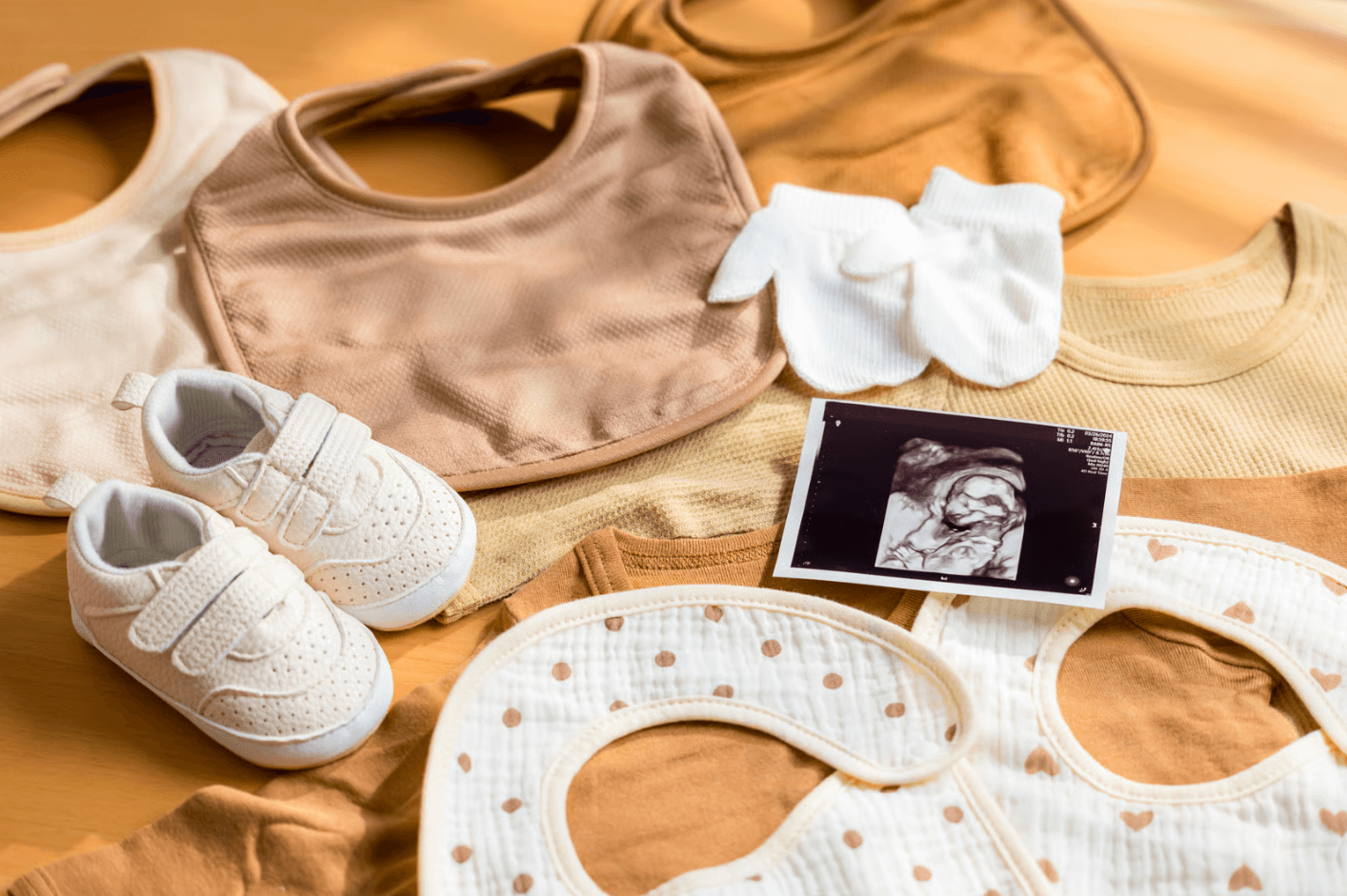
There is no single perfect time to begin nesting for a baby, but most parents naturally start during the second or early third trimester. This stage often brings more energy and clarity, making it easier to organise your home and follow a baby preparation checklist without feeling rushed. Starting early also gives you enough time to adjust your plans, gather essentials, and prepare emotionally at your own pace. Nesting for a baby becomes more manageable when it is approached gradually rather than all at once.
What to Do When Nesting for a Baby?
Preparing for a newborn is not a solo task, and nesting for a baby becomes more meaningful when approached together as a shared experience. When both parents align expectations, divide responsibilities, and communicate openly, the process feels lighter and more connected. Instead of focusing only on a baby preparation checklist, it is important to consider how your routines, sleep patterns, and communication will shift. This early alignment reduces stress and builds a stronger foundation for your journey as new parents. Here are five tips to help you start your nesting journey.
Tip 1: Preparing the Home Environment
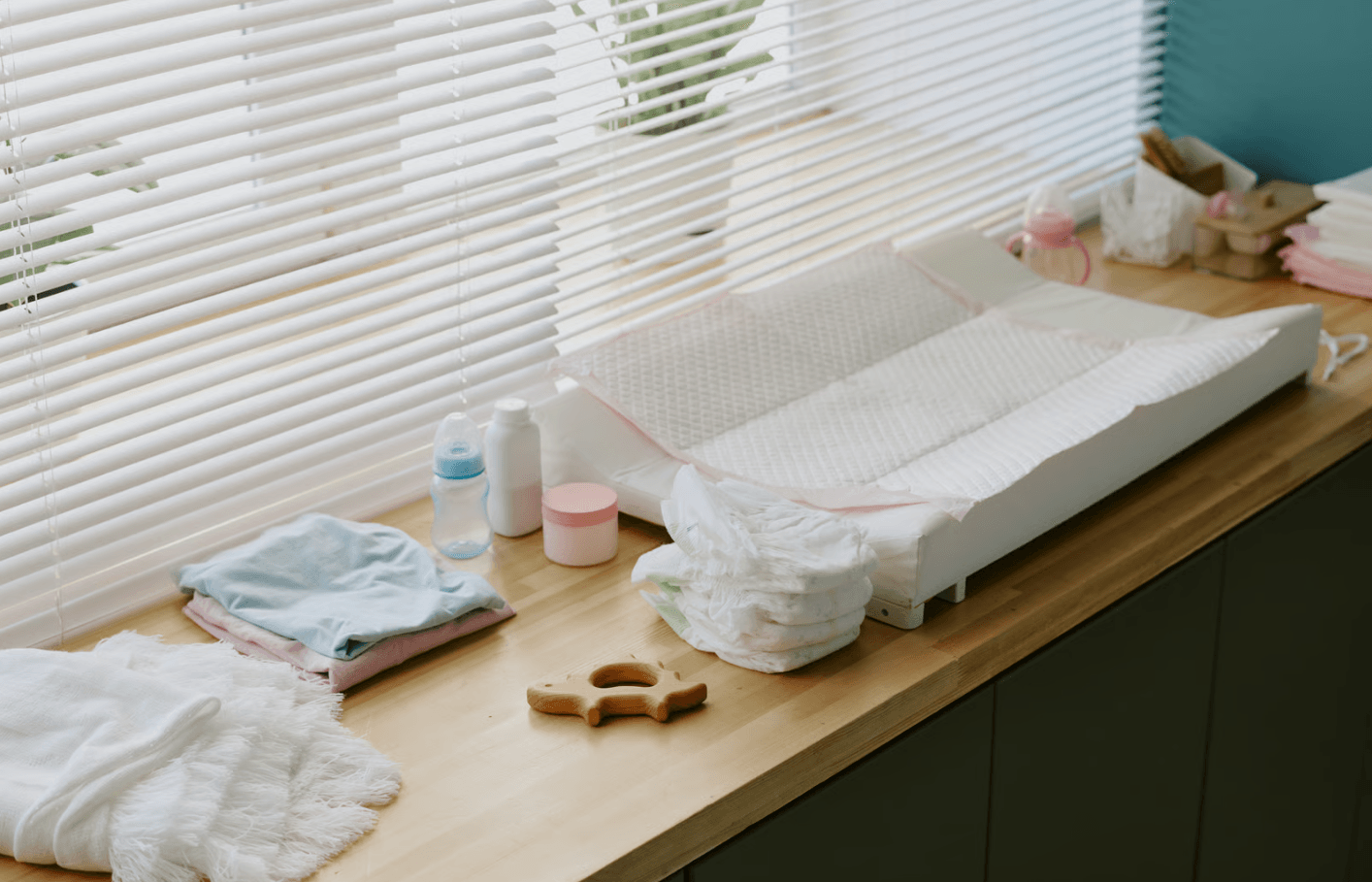
Creating a calm and organised home is one of the most important steps in nesting for a baby, as it directly affects your daily comfort and ease. Setting up three simple zones for feeding, changing, and sleeping, even in a small space, helps structure your routine from the beginning. Keeping essentials like nappies, wipes, and muslin cloths within reach reduces unnecessary movement, especially during long nights. Washing and organising baby clothes by size also prevents last-minute stress, while soft lighting or a gentle night lamp supports a more peaceful night-time experience.
Tip 2: Emotional Preparation for Both Parents
Nesting for a baby is not only about physical preparation, but also about emotional readiness for both parents. Honest conversations about sleep expectations, division of responsibilities, and boundaries with visitors can prevent confusion later. Accepting that not everything can be controlled allows both of you to approach this stage with more flexibility and patience. Supporting each other through regular check-ins and open communication creates a sense of stability, helping you navigate this transition with more confidence and understanding.
Tip 3: How the Father Can Support the Mother
One of the most valuable aspects of nesting for a baby is understanding how the father can provide both practical and emotional support. Taking responsibility for logistics such as appointments, shopping, and preparing the home can significantly reduce pressure on the mother. Learning basic newborn care, including nappy changes and recognising feeding cues, builds early confidence and involvement. Emotional reassurance, presence, and reducing external stressors create a calmer environment, which plays a key role in supporting the mother during this stage.
Tip 4: Prepare for the First Week
The first week with a newborn can feel overwhelming, which is why preparation ahead of time is essential when nesting for a baby. Pre-cooking and freezing simple meals helps save time and energy during the early days, while stocking up on household essentials prevents unnecessary outings. Creating a comfortable recovery space for the mother allows her to rest and recover properly after birth. Limiting visitors during this period also helps protect your energy, giving both of you the space needed to adjust and bond with your baby.
Tip 5: Creating a Support System Around You
Having the support of family and friends during the arrival of a new baby can greatly ease the emotional pressure parents often feel. This is where grandparents, siblings, and close friends play an important role. Each of them brings valuable experience in raising children, so take the time to ask for their advice and learn from what they have been through. If you are considering hiring a nanny, they can also recommend trusted options. A strong support network of family and friends can truly be your safety net during the most challenging days.
Nesting for a baby is not about achieving perfection, but about building a sense of readiness, connection, and balance between both parents. When you prepare together emotionally and practically, the transition into parenthood becomes smoother and more manageable. From organising your space to supporting each other, every step contributes to a more stable and comforting start. This shared approach shapes not only your experience as new parents, but also the environment your baby grows into from the very beginning.