Chinese money trees are among the most popular indoor plants thanks to their elegant braided trunks, glossy green leaves, and easy maintenance. However, proper Chinese money tree care is essential to keep the plant healthy, prevent yellow leaves, and encourage steady indoor growth.
This guide covers everything beginners need to know about how to care for a Chinese money tree, including watering, lighting, humidity, soil, pruning, and common indoor plant problems. Whether growing one for decoration or good luck, these simple care tips will help the plant thrive indoors.
What Is a Chinese Money Tree?
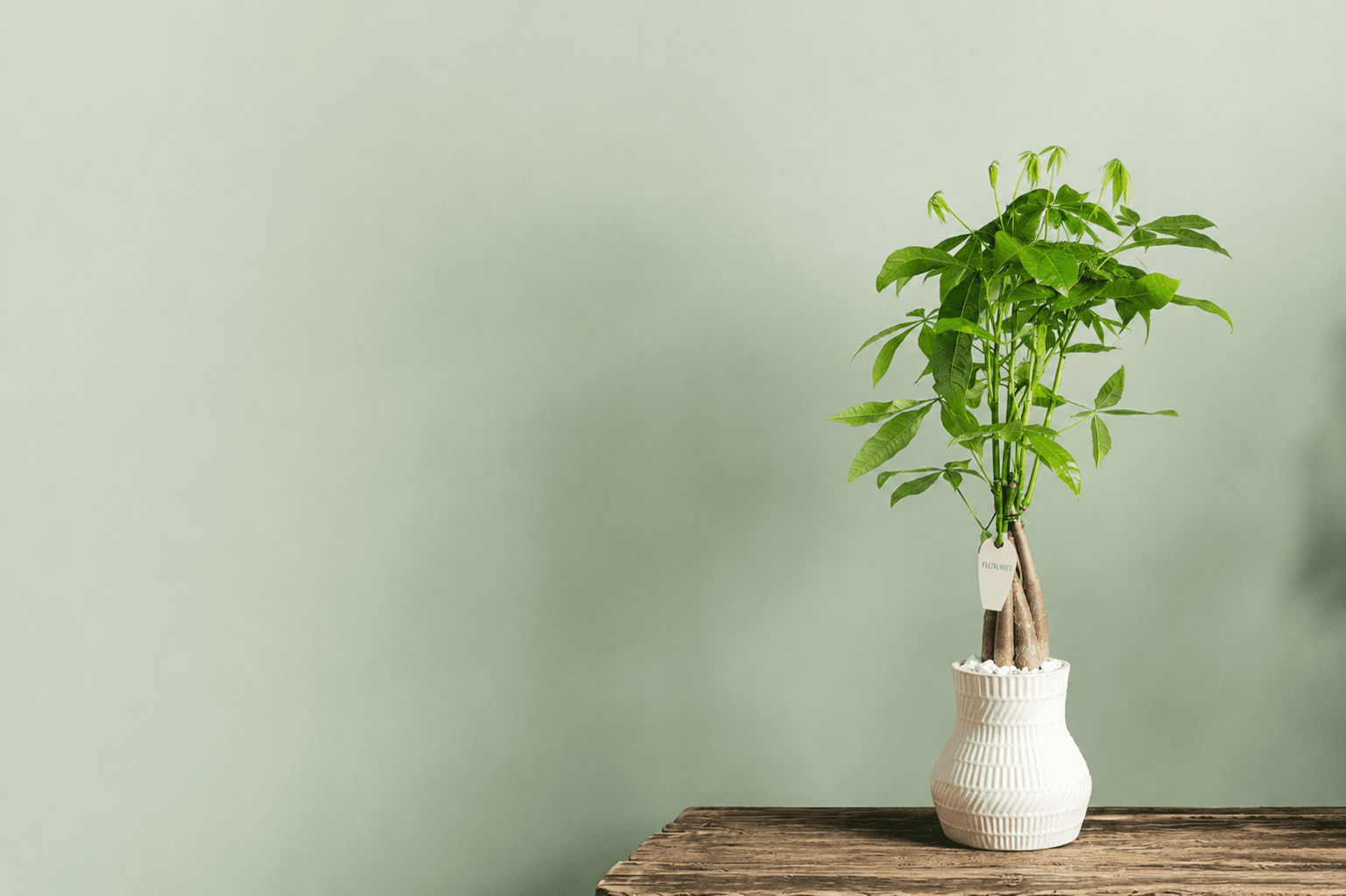
The Chinese money tree, scientifically known as Pachira aquatica, is a tropical plant native to Central and South America. In nature, it grows in wetlands and humid forests, where it can reach impressive heights. Indoors, however, it stays much smaller and is commonly grown as a decorative houseplant.
One of its most recognizable features is its braided trunk, which is created by intertwining young stems while the plant grows. The plant also has shiny, hand-shaped leaves that give it a fresh and elegant appearance.
In Feng Shui traditions, the money tree symbolizes prosperity, positive energy, and good fortune. This is one reason why it is often gifted during housewarmings, birthdays, and business openings.
Chinese Money Tree vs Money Plant: What’s the Difference?
Many indoor gardeners assume the money tree and money plant are the same thing, but they are entirely different species. The Chinese Money Plant (Pilea peperomioides) is a small indoor plant known for its round coin-shaped leaves, while the Chinese Money Tree (Pachira aquatica) is a larger tropical plant with braided stems and palm-like leaves.
Key Differences Between Money Tree and Money Plant
Money Tree | Money Plant | |
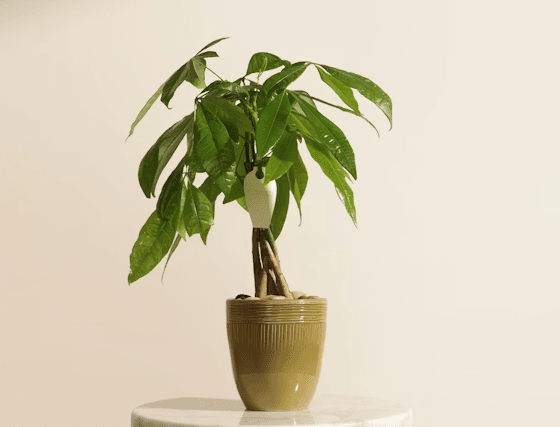 | 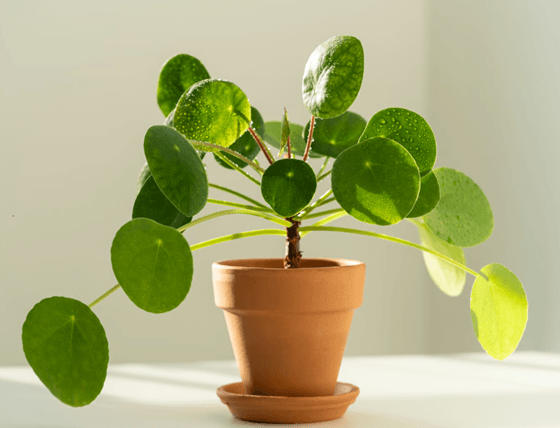 | |
| Botanical Name: | Pachira aquatica | Usually Pothos or Pilea |
| Growth Style: | Upright indoor tree | Trailing or compact plant |
| Leaf Shape: | Palm-shaped leaves | Heart-shaped or round leaves |
| Water Needs: | Moderate watering | Slightly more frequent watering |
| Light Preference: | Bright indirect light | Medium to bright indirect light |
Best Light for a Chinese Money Tree
Proper lighting is one of the most important parts of Chinese money tree care. This plant grows best in bright indirect sunlight, which helps maintain healthy leaves and balanced growth indoors. For best results:
- Place the plant near an east-facing or bright north-facing window
- Keep it away from harsh afternoon sunlight
- Rotate the pot every few weeks for even growth
- Use sheer curtains if sunlight feels too strong
Direct sunlight can scorch the leaves and create brown patches, especially during hot afternoons. On the other hand, low light can slow growth and cause sparse foliage.
Signs Your Chinese Money Tree Needs More Light
- Leaning toward windows
- Smaller new leaves
- Slow growth
- Pale green foliage
How Often Should You Water a Chinese Money Tree?
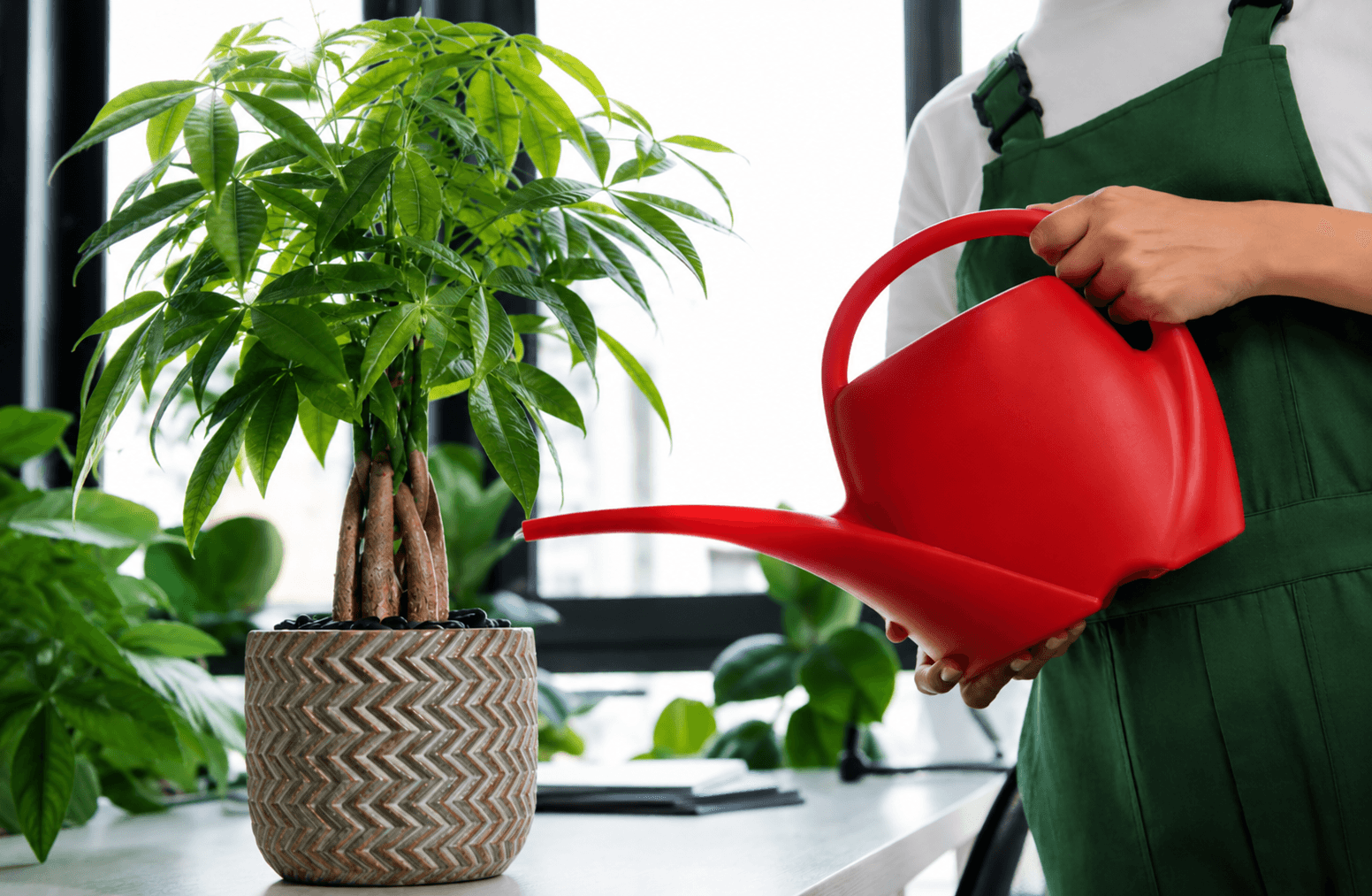
One of the most common beginner mistakes is overwatering. Chinese money trees prefer slightly moist soil, but they do not tolerate soggy roots.
Follow these beginner-friendly watering tips:
- Water only when the top 2–3 inches of soil feel dry
- Reduce watering during winter
- Always empty excess water from saucers
- Use pots with drainage holes
- Water deeply rather than lightly sprinkling the surface
| Signs of Overwatering | Signs of Underwatering |
|
|
Indoor temperature, humidity, and pot size all affect how quickly the soil dries, so always check the soil before watering.
Best Soil for Chinese Money Tree
The right soil keeps roots healthy and prevents fungal problems indoors. Chinese money trees grow best in well-draining potting soil that allows air to move around the roots.
A beginner-friendly soil mix should include:
- Standard indoor potting soil
- Perlite or pumice for drainage
- Peat moss or coco coir for moisture balance
Avoid heavy garden soil because it traps too much water around the roots.
Helpful Soil Tips
- Choose lightweight indoor soil mixes
- Repot compacted soil every few years
- Make sure the container has drainage holes
- Never allow water to sit at the bottom of the pot
Ideal Temperature and Humidity for Chinese Money Tree
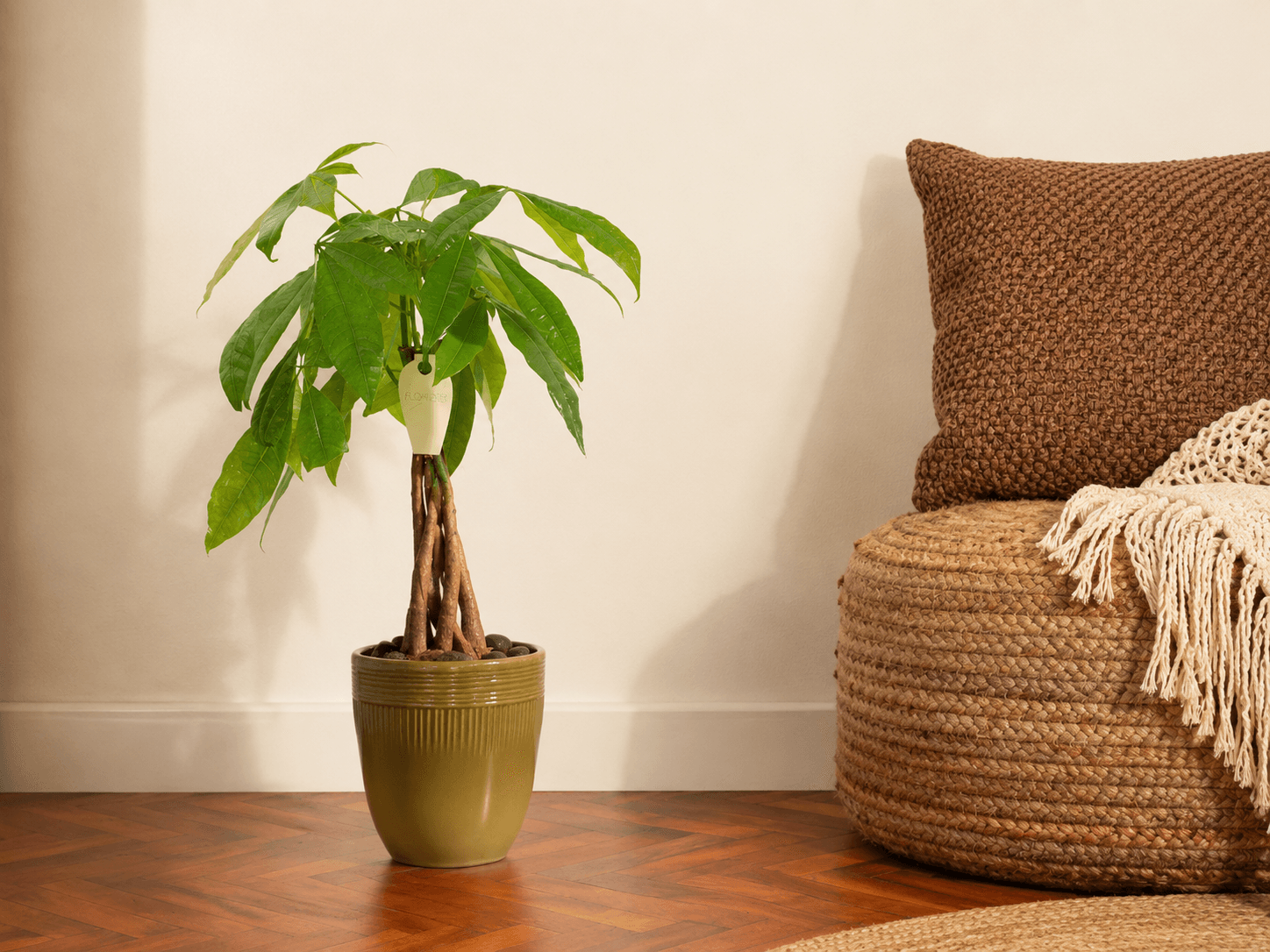
Chinese Money Trees grow best in warm indoor environments that mimic their natural tropical habitat. They prefer stable indoor temperatures between 18°C and 27°C, along with moderate to high humidity levels to keep their leaves healthy and vibrant. Sudden temperature fluctuations or exposure to cold drafts can stress the plant and slow down its growth, so maintaining a consistent environment is important for long-term indoor care.
Dry indoor air, especially during winter when heaters are running, may cause brown or crispy leaf tips. To improve humidity naturally around the plant, placing a humidifier nearby, grouping plants together, or using a pebble tray filled with water can all help create a healthier atmosphere. Light misting may also benefit the plant during extremely dry weather conditions. For best results, avoid placing the Chinese Money Tree directly beside air conditioners, radiators, or heating vents, as constant dry airflow can damage the foliage over time.
How to Fertilize a Chinese Money Tree
Although money trees are not heavy feeders, occasional fertilizing helps maintain healthy indoor growth and rich green leaves.
Beginner Fertilizing Tips
- Use a balanced liquid houseplant fertilizer
- Feed once a month during spring and summer
- Avoid fertilizing during winter dormancy
- Dilute fertilizer to half strength for young plants
Too much fertilizer can damage the roots and lead to salt buildup in the soil, which may cause leaf browning.
How to Prune and Shape a Money Tree
Pruning helps the plant maintain a fuller and healthier shape indoors. It also removes damaged growth and encourages fresh leaves.
Easy Pruning Tips
- Remove yellow or damaged leaves regularly
- Trim leggy stems above a leaf node
- Use clean, sharp scissors
- Prune during spring or early summer
- Avoid removing too much foliage at once
Braided trunks should not be forced tighter once mature because this can damage the stems.
Common Chinese Money Tree Problems and Solutions
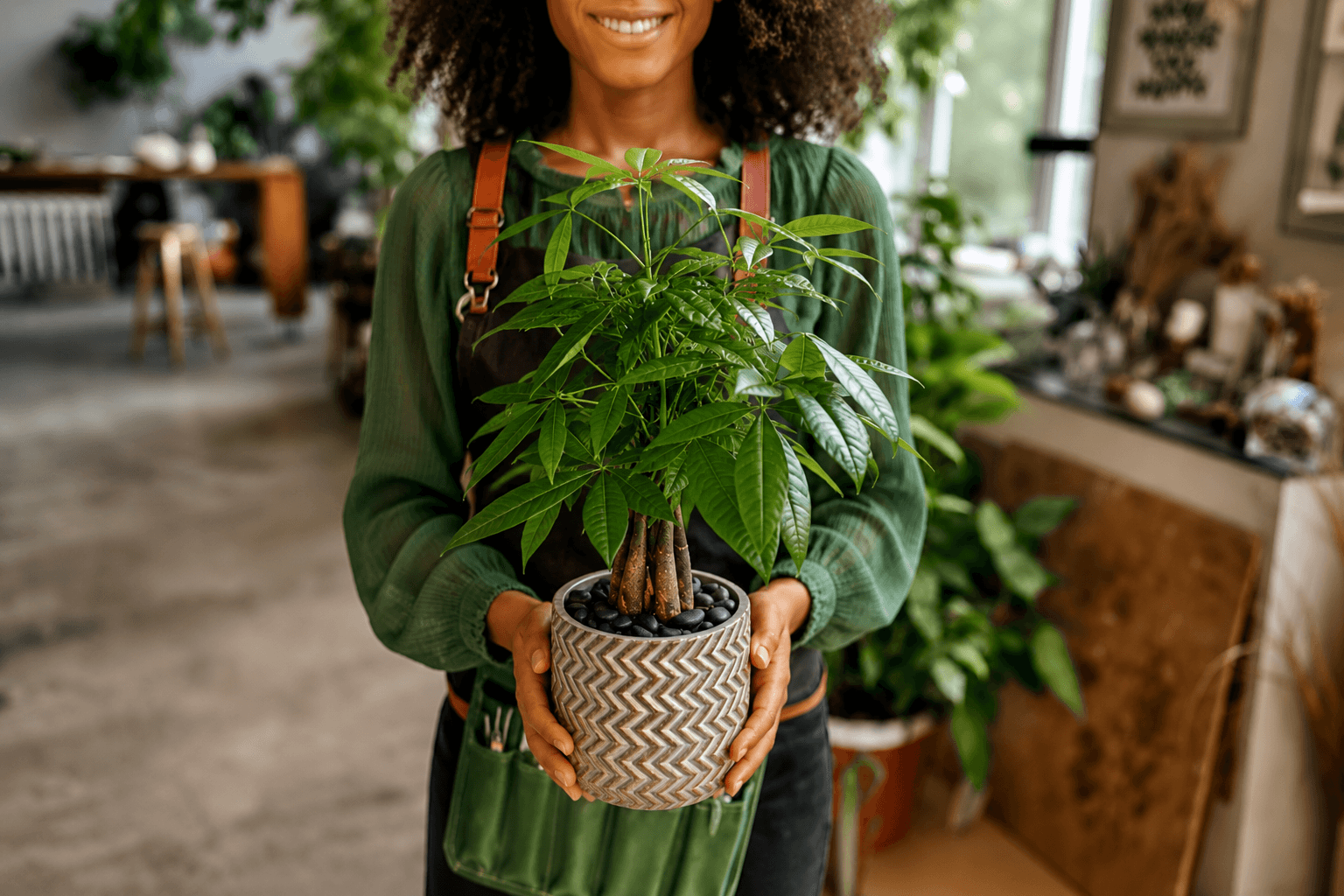
Indoor money trees can occasionally develop leaf discoloration, drooping, or pest issues. The good news is that most problems are easy to fix once the cause is identified early. This quick guide makes it easier for beginners to spot common Chinese money tree problems and find simple indoor care solutions.
Problem | Common Cause | Easy Solution |
| Yellow Leaves: | Overwatering or poor drainage | Allow soil to dry slightly and improve drainage |
| Brown Leaf Tips: | Dry air or inconsistent watering | Increase humidity and water consistently |
| Drooping Leaves: | Sudden temperature changes or underwatering | Move away from drafts and check soil moisture |
| Pale Leaves: | Insufficient light | Move closer to bright indirect sunlight |
| Root Rot: | Constantly wet soil | Repot into fresh well-draining soil |
| Spider Mites: | Dry indoor air | Wipe leaves and increase humidity |
| Mealybugs: | Pest infestation | Clean leaves with diluted neem oil |
| Fungus Gnats: | Overly wet soil | Reduce watering and improve airflow |
How to Repot a Chinese Money Tree
Repotting helps refresh the soil and gives roots more space to grow. Most indoor money trees only need repotting every two to three years.
Signs It Needs Repotting
- Roots growing from drainage holes
- Soil drying too quickly
- Slower growth
- Crowded roots
Beginner Repotting Tips
- Repot during spring
- Choose a pot only slightly larger
- Use fresh well-draining soil
- Water lightly after repotting
- Avoid fertilizing immediately afterward
Oversized pots can hold excess moisture, which increases the risk of root rot.
Is Chinese Money Tree Toxic to Pets?
Chinese money trees are generally considered non-toxic to cats and dogs, making them a safer choice for pet-friendly homes. However, pets should still be discouraged from chewing on leaves because excessive nibbling may cause mild stomach discomfort.
Pet Safety Tips
- Keep damaged leaves trimmed away
- Place plants in stable containers
- Avoid using chemical leaf shine sprays
- Monitor curious pets around indoor plants
Chinese Money Tree is one of the most popular indoor plants thanks to its elegant braided trunk, lush green leaves, and easy-care nature. With balanced watering, bright indirect light, and stable indoor conditions, this tropical plant can thrive beautifully for years. Whether used to elevate your home décor or chosen as one of your thoughtful premium gifts, the Chinese Money Tree remains a timeless favorite for plant lovers, new homeowners, and anyone who enjoys bringing nature indoors.