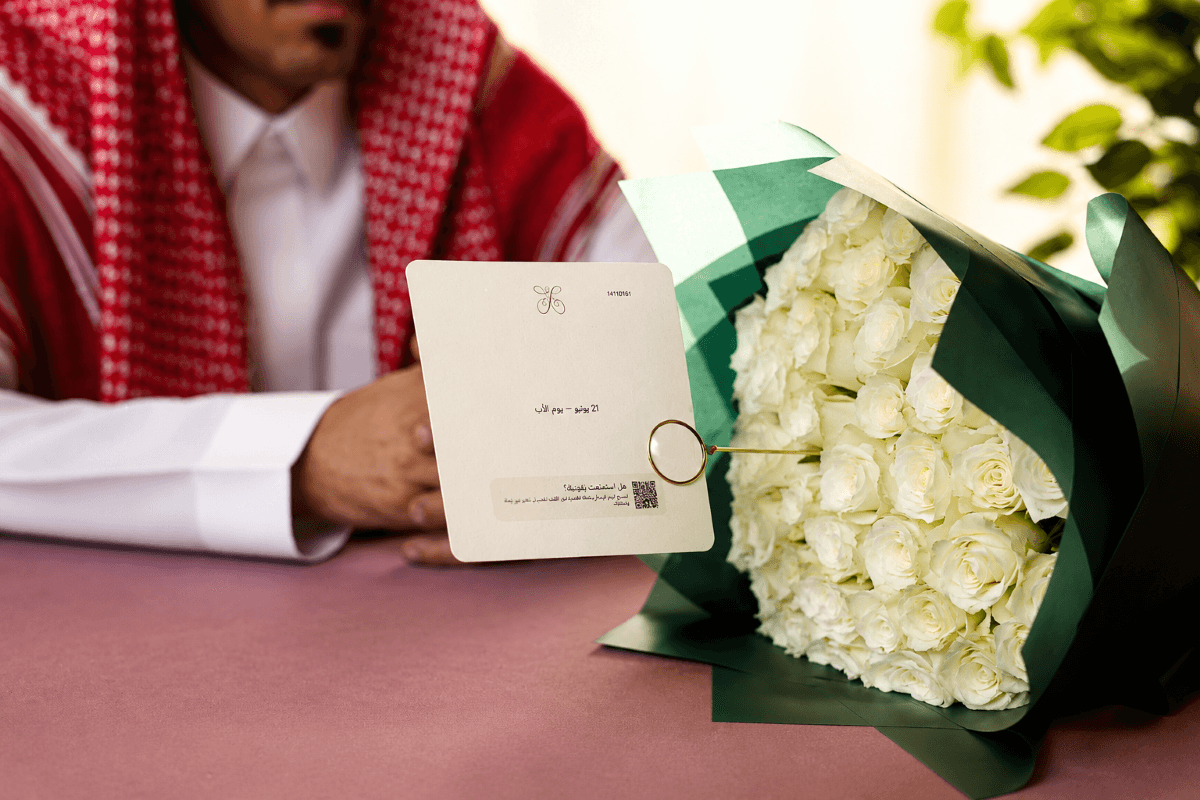
What if one flower in your garden could quietly change its color depending on the soil beneath it? It sounds almost unreal, yet this is exactly what makes hydrangeas so fascinating. These lush, full blooms are more than just decorative plants; they carry scientific secrets, cultural meaning, and surprising behaviors. In this guide, discover fascinating facts about hydrangea that will help you understand and grow this unique plant with confidence.
What Is a Hydrangea Plant?
Hydrangea is a flowering plant belonging to the genus Hydrangea, with over 70 species found mainly in Asia and the Americas. These plants typically grow as shrubs, but some varieties can climb or form small tree-like structures. The most popular types include bigleaf hydrangea, panicle hydrangea, smooth hydrangea, and oakleaf hydrangea. Each type has its own growth habit, bloom shape, and care needs, making hydrangeas versatile for many garden styles.
Amazing Facts About Hydrangea
Hydrangea hides many fascinating facts. Here are some of the most interesting ones:
1. Hydrangeas Can Change Color Naturally
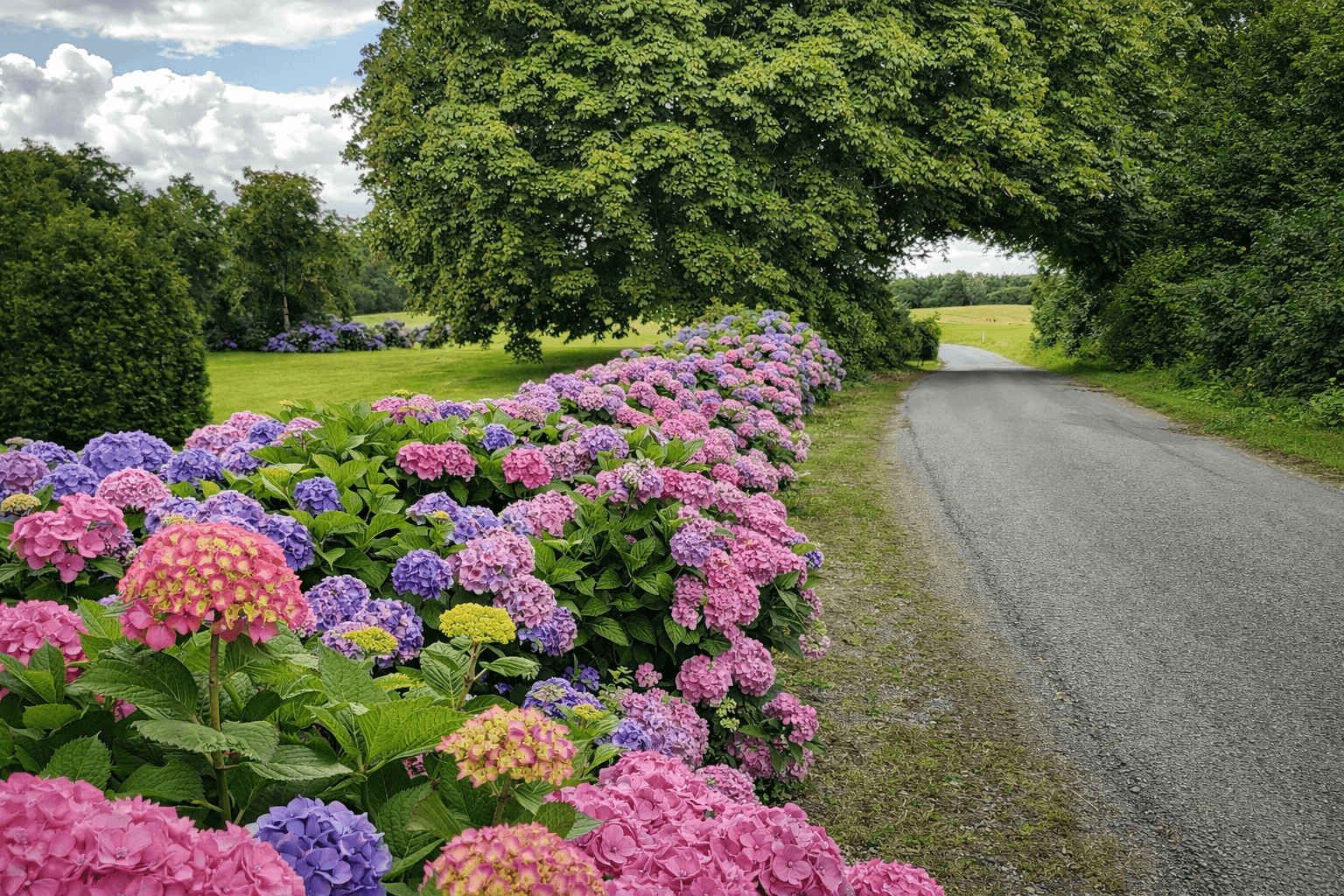
One of the most fascinating facts about hydrangea is its ability to change color based on soil pH. In acidic soil, flowers tend to turn blue, while alkaline soil produces pink blooms, and neutral soil often results in purple shades. This happens because aluminum availability in the soil affects pigment development in the plant. It is a natural chemical reaction, not a genetic change, which makes it even more intriguing for gardeners.
However, it is important to know that only certain types, particularly bigleaf hydrangeas, respond to soil pH changes. Other varieties, such as panicle or smooth hydrangeas, maintain their natural color regardless of soil conditions. This distinction helps avoid confusion when experimenting with soil adjustments.
2. Their Name Reflects Their Love for Water
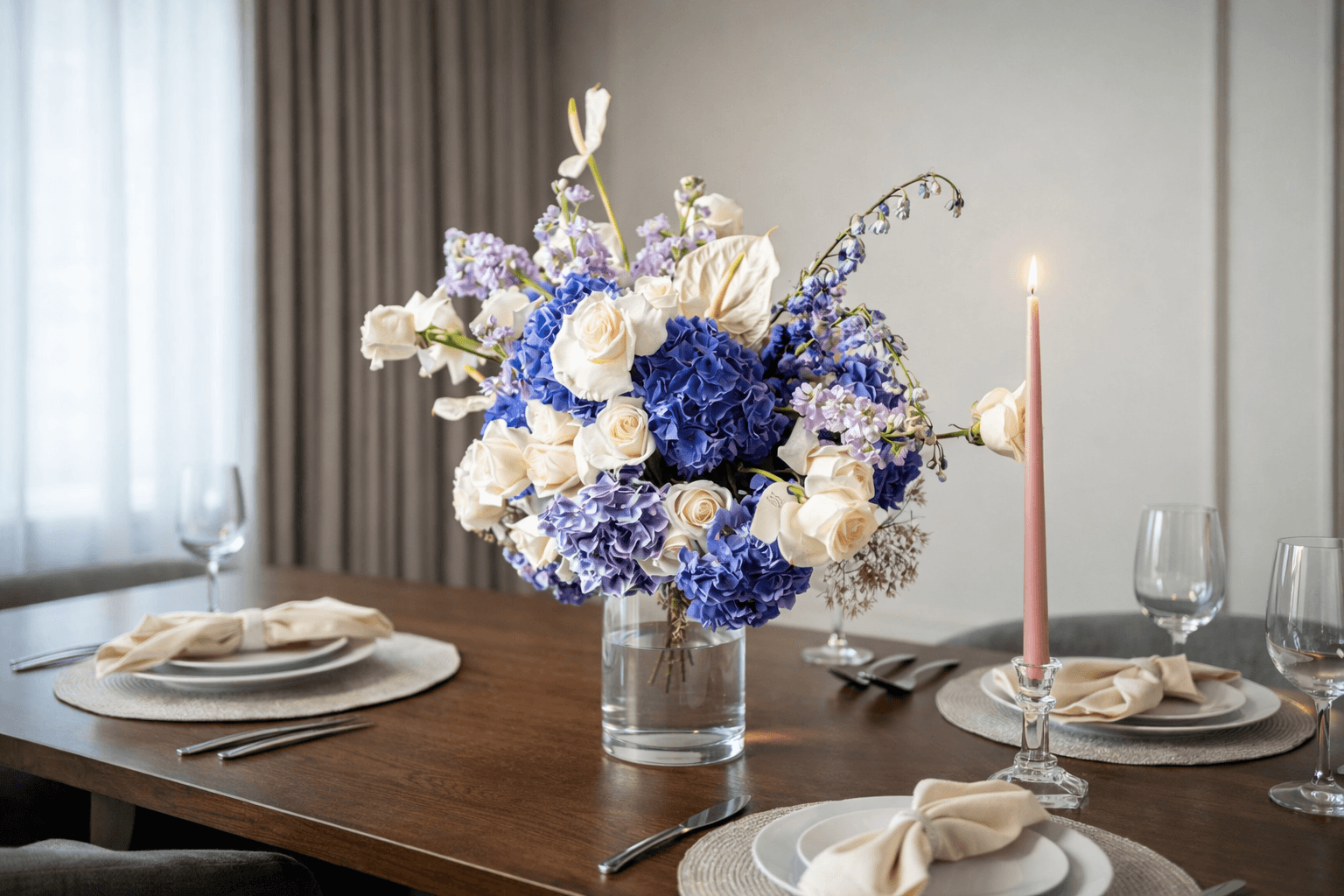
The name “hydrangea” comes from Greek words hydro (meaning water) and angos or angeion (meaning vessel or pitcher). Combined, the two words translate to “water vessel,” which gives a clue about the plant’s needs. Hydrangeas require consistently moist soil to maintain healthy growth and full blooms. However, they do not tolerate waterlogged conditions, as excess water can damage the roots. Understanding this balance is key to keeping the plant thriving.
3. The Showy Hydrangea Blooms Are Not True Petals
What most people think are petals are actually modified sepals, designed to attract pollinators. The real flowers are small and located at the center of each bloom cluster. This clever structure allows the plant to maximize visibility while protecting its reproductive parts. It is a perfect example of how plant evolution balances beauty and function.
4. There Are Many Different Types of Hydrangeas
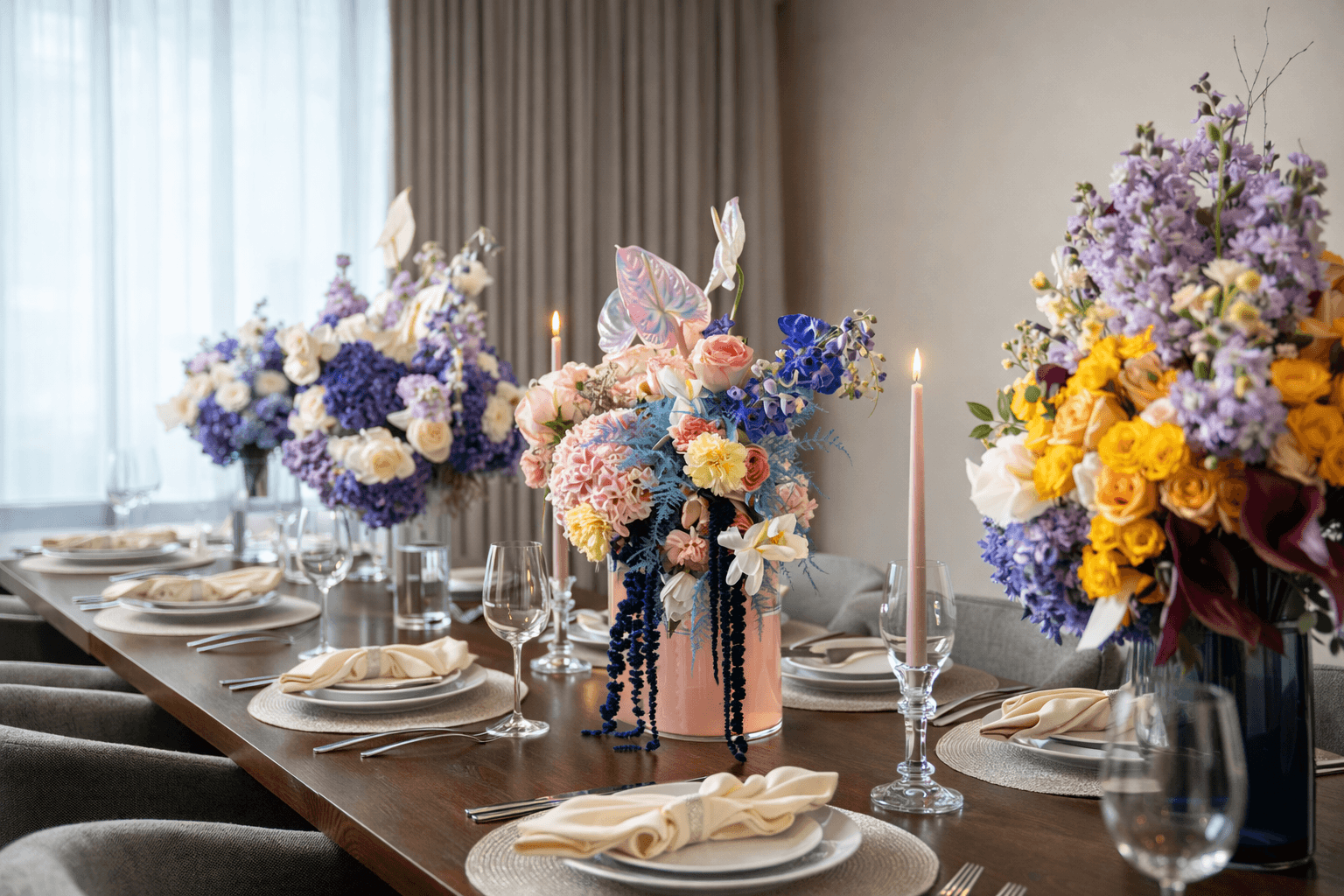
Hydrangeas come in a wide variety of forms, each suited to different conditions. Bigleaf hydrangeas are known for color-changing blooms, while panicle hydrangeas are more tolerant of sun and cold. Oakleaf hydrangeas stand out with their unique leaf shape and autumn color. Choosing the right type depends on your climate, soil, and available space.
5. Some Hydrangeas Bloom More Than Once a Year
Certain modern varieties, known as reblooming hydrangeas, can flower on both old and new wood. This means they produce blooms more than once during the growing season. For gardeners, this extends the flowering period and increases visual impact. Proper pruning and care can help maximize this natural ability.
6. Hydrangeas Can Live for Decades
With the right care, hydrangea plants can live and bloom for many years. They become stronger and fuller over time, making them a long-term addition to any garden. Consistent watering, suitable light, and seasonal pruning all contribute to their longevity. Investing in proper care early ensures lasting results.
7. Hydrangeas Carry Different Meanings Across Cultures
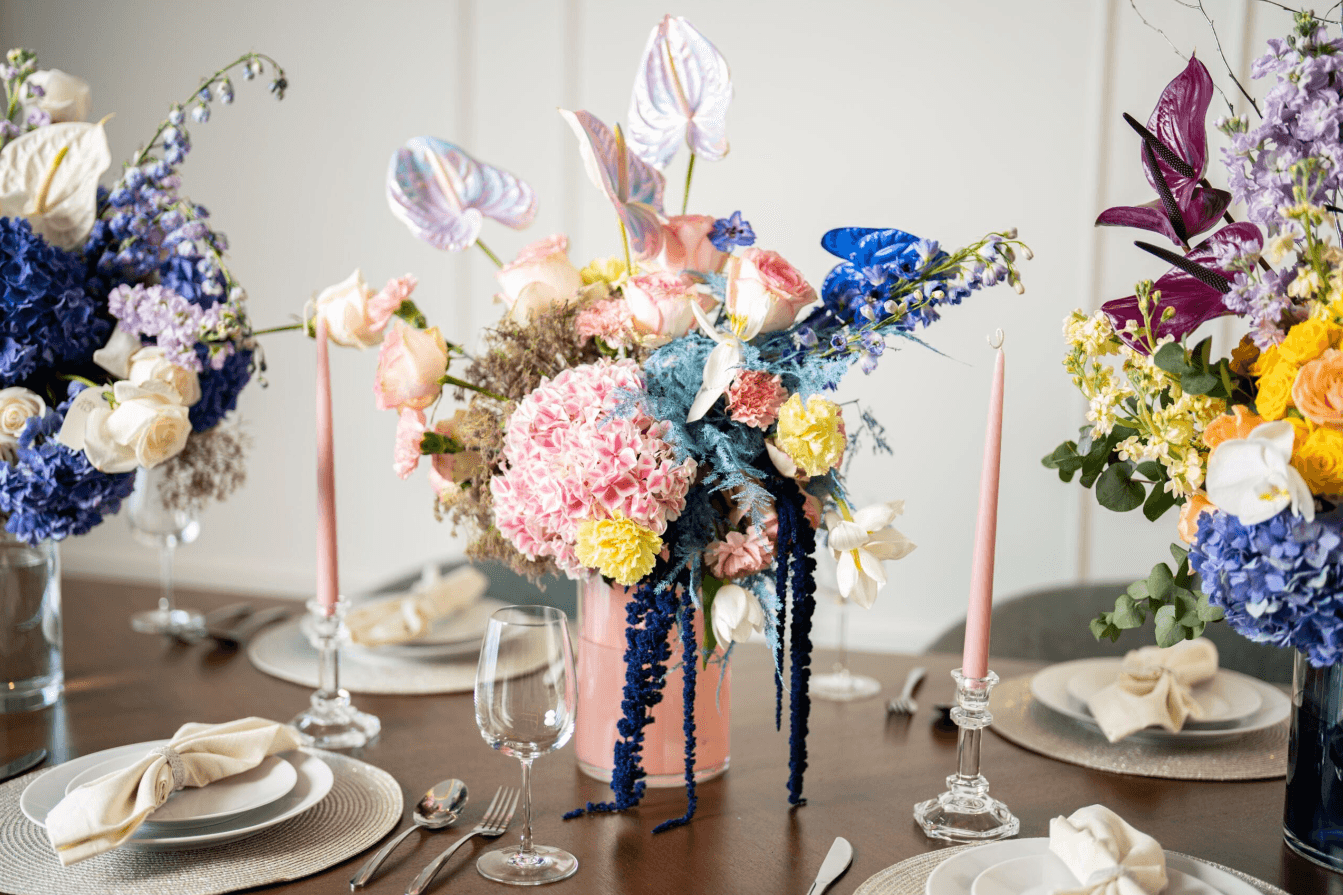
Hydrangeas are not only visually appealing but also rich in symbolism, which makes them one of the most emotionally layered flowers in the world. In Japan, they are deeply tied to gratitude and apology, rooted in a story where an emperor offered hydrangeas to express regret. In China, they are linked to enlightenment and personal growth, reflecting transformation and deeper understanding. In contrast, European traditions once viewed hydrangeas as a symbol of vanity due to their large, showy blooms.
8. Hydrangeas Colors Have Different Meanings

Interestingly, the meaning of hydrangeas can also shift depending on their color:
- Blue hydrangeas are often linked to apology and forgiveness, making them an ideal gift for reconciliation and rebuilding a connection.
- Pink hydrangeas symbolize love, warmth and genuine emotion, which makes them perfect for birthdays, romantic gestures, or appreciation.
- White hydrangeas are commonly associated with purity and elegance, often used in weddings and formal settings.
9. Hydrangeas Are Toxic if Ingested
Hydrangeas contain natural compounds that can be harmful if eaten by humans or pets. Ingesting them may cause mild symptoms like stomach upset or vomiting, especially if consumed in larger amounts. However, hydrangeas are completely safe to touch and grow in your garden. To stay on the safe side, keep hydrangeas out of reach of children and pets, especially in areas where pets tend to chew plants or where young children might accidentally eat them.
Hydrangea is a beautiful plant that captivates with its many fascinating details, whether in its blooms or its nature as one of the most elegant ornamental plants. It is widely used to express a variety of meanings and symbols across many occasions. Although it is not edible, its flowers remain safe and enjoyable to admire, whether in your garden or inside your home.