A Kalanchoe plant is one of those small plants that can instantly brighten a room. It has thick, juicy leaves and cheerful clusters of flowers that can bloom in red, pink, orange, yellow, or white. For beginner plant lovers, it is a lovely choice because it looks special but does not ask for too much attention.
The most popular type sold as a houseplant is usually Kalanchoe blossfeldiana, also known as florist’s Kalanchoe or flaming Katy. It is a succulent, which means its leaves store water. This is why it can handle a little dryness better than many leafy houseplants. Missouri Botanical Garden describes Kalanchoe blossfeldiana as a succulent perennial with scallop-edged leaves and long-lasting flower clusters, while the RHS also lists it as a houseplant and succulent.
In this guide, we will explain how to care for a Kalanchoe plant in simple steps: where to place it, how often to water it, how to keep it blooming, and whether it is safe for homes with pets and children.
What Is a Kalanchoe Plant?
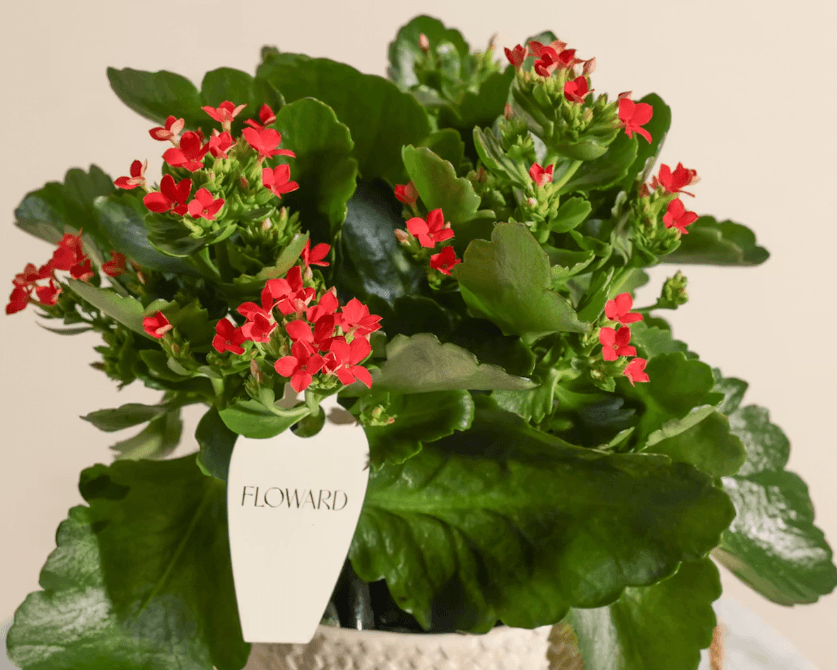
Kalanchoe is a group of succulent plants from the Crassulaceae family. This is the same wider plant family that includes many water-storing plants loved by home gardeners. Kalanchoe plants are known for their fleshy leaves, compact shape, and bright flowers.
The Kalanchoe you often see in a flowers and plants shop is usually Kalanchoe blossfeldiana. It grows as a small, bushy plant with glossy green leaves and many tiny flowers gathered together above the foliage. The flowers may look delicate, but they can last for weeks when the plant receives the right care.
Is a Kalanchoe Plant Indoor or Outdoor?
A Kalanchoe plant can be both indoor and outdoor, but it depends on the weather where you live.
In cooler climates, Kalanchoe is usually grown as an indoor plant. It does well near a bright window, in a sunroom, or in a well-lit corner of the home. Missouri Botanical Garden notes that, in cooler climates, Kalanchoe grows best indoors in full sun or bright indirect light, with very well-drained soil.
In warm, frost-free areas, Kalanchoe can also be grown outdoors in pots, patios, balconies, and sheltered garden corners. The key word here is warm. Kalanchoe does not enjoy frost, cold drafts, or very wet outdoor soil. If your nights get cold, it is better to bring the plant indoors.
A simple rule for beginners is this: Keep Kalanchoe indoors if your weather is cold, and move it outdoors only when the weather is warm and gentle.
Is Kalanchoe Plant Good for Home?
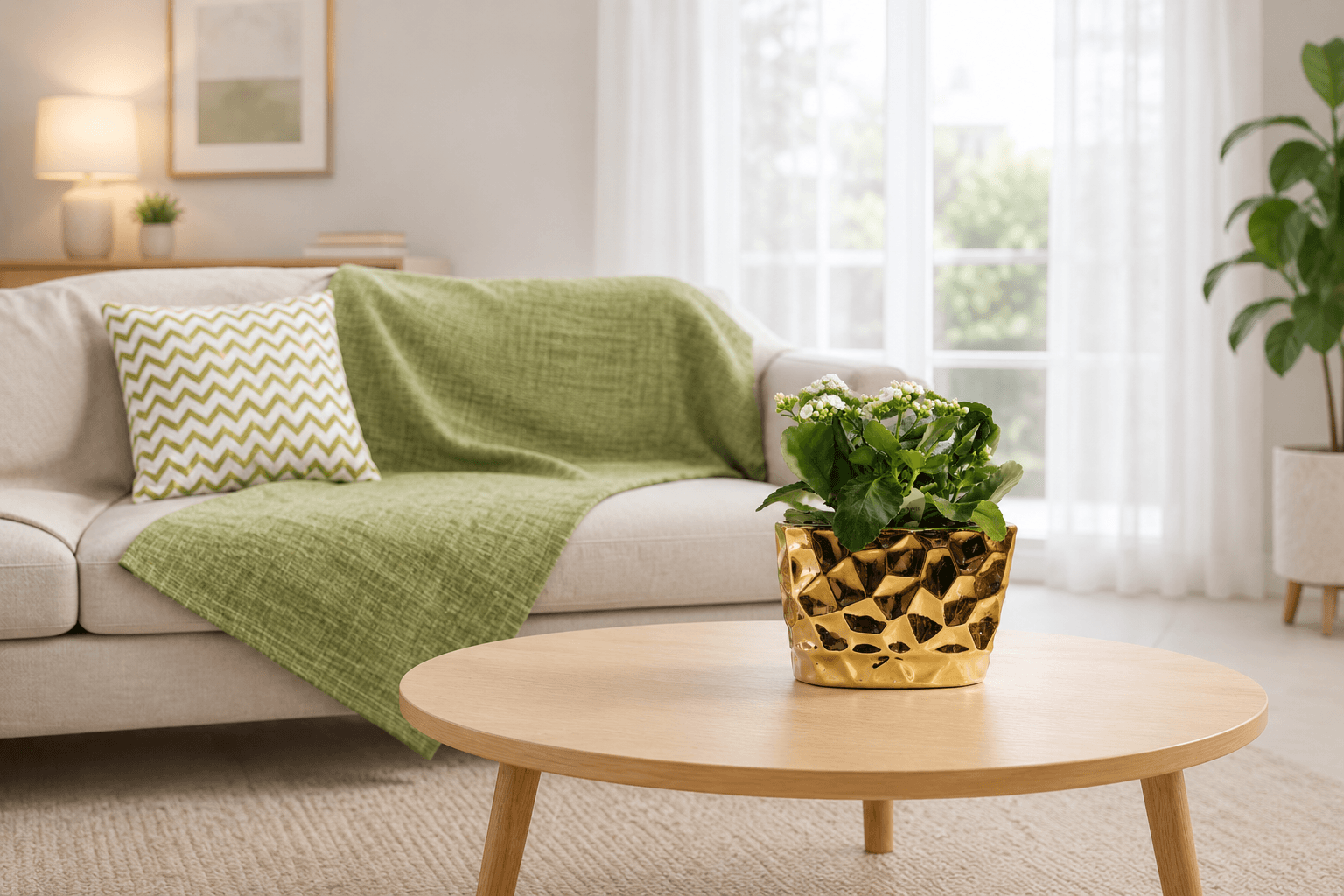
Yes, a Kalanchoe plant is good for the home, especially if you want a colourful plant that is easy to enjoy. It is compact, bright, and does not need daily watering. This makes it a friendly plant for beginners and busy people, and anyone who wants flowers without a complicated care routine.
Kalanchoe looks beautiful on a sunny windowsill, a coffee table near natural light, a kitchen shelf, or a home office desk. Its flowers add warmth and colour, while its thick green leaves give it a fresh, clean look even when it is not blooming.
It is also a thoughtful gift plant. Unlike a bouquet that naturally fades after a few days, a potted Kalanchoe can keep growing with the right care. For occasions like birthdays, housewarming gifts, thank-you gifts, or “thinking of you” moments, it brings both colour and life into the home.
How to Care for Kalanchoe Plant
Kalanchoe care is simple once you understand what this plant likes. It needs bright light, dry breaks between watering, good drainage, and warm conditions.
Light: Give It a Bright Spot
Kalanchoe loves light. Indoors, place it near a bright window where it can receive plenty of natural light. A spot with bright indirect light is ideal. Some gentle morning sun is usually fine, but very harsh afternoon sun may be too strong, especially in hot climates.
If your Kalanchoe becomes tall, weak, or stretched, it may be asking for more light. A healthy Kalanchoe should look compact and firm, not thin and floppy.
Watering: Let the Soil Dry First
The most common mistake with Kalanchoe is overwatering. Because the plant stores water in its leaves, it does not want its roots to stay wet all the time.
Before watering, touch the soil with your finger. If the top part still feels damp, wait a little longer. When the soil feels dry, water the plant well, then let the extra water drain out from the bottom of the pot.
Never let the pot sit in a saucer full of water. Wet roots can lead to root rot, which is one of the fastest ways to damage a succulent plant.
Soil: Drainage Is Very Important
Kalanchoe needs soil that drains quickly. A cactus or succulent potting mix works well. You can also use a light potting mix with added grit or perlite to help water move through more easily.
Heavy garden soil is not a good choice for potted Kalanchoe because it can hold too much water around the roots. For this plant, dry and airy is much safer than wet and heavy.
Temperature: Keep It Warm and Comfortable
Kalanchoe enjoys normal indoor temperatures. It likes warmth but does not like extreme heat, frost, or cold drafts. Keep it away from air-conditioning vents, very cold windows, and outdoor frost.
If you place your Kalanchoe outside during warm months, bring it indoors before the weather turns cold.
Fertilizer: Feed Lightly
Kalanchoe is not a heavy feeder. During active growth, you can use a balanced liquid fertilizer from time to time. Avoid overfeeding, especially when the plant is resting or when you are trying to prepare it for reblooming.
Too much fertilizer can push leafy growth instead of flowers. For beginners, it is better to feed lightly than to feed too often.
How Do You Keep a Kalanchoe Plant Blooming?
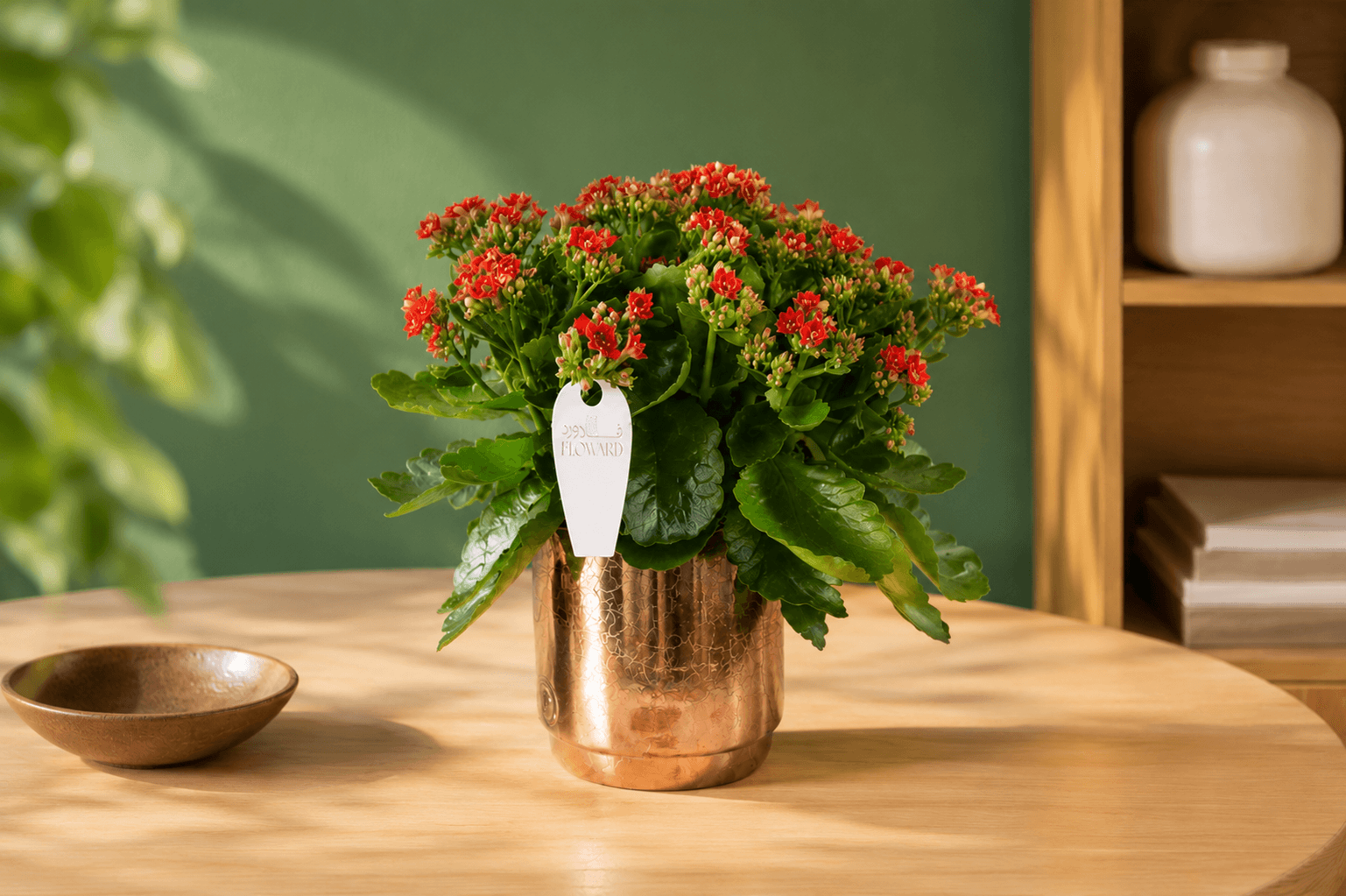
Kalanchoe flowers can last for weeks, which is one of the reasons people love this plant. But after the flowers fade, many beginners wonder: “How do I make it bloom again?" The answer is light, patience, and a little darkness.
Remove Old Flowers
When the flowers fade, gently pinch or cut them off. This is called deadheading. It keeps the plant looking tidy and helps it save energy.
Use clean scissors and cut only the faded flower stems, not the healthy leaves. This simple step makes your Kalanchoe look fresh again.
Keep It in Bright Light
A Kalanchoe that does not receive enough light may stay alive, but it may not bloom well. Move it closer to a bright window and give it steady daytime light.
Use the Long-Night Trick
Kalanchoe is a short-day plant. This means it forms flower buds when it receives long nights and shorter days. To encourage reblooming, the Kalanchoe plant needs around needs around six weeks of 14-hour nights for flower buds to form. Here is a beginner-friendly way to do it:
1) Place your Kalanchoe in bright natural light during the day. Then, every evening, move it to a dark room, cupboard, or box where it will not receive artificial light. Keep it in darkness for around 14 hours each night. Do this for about six weeks.
2) After buds appear, move the plant back to its bright normal spot and continue regular care.
Water Less During the Reblooming Period
While encouraging blooms, do not overwater. The plant is not trying to grow lots of new leaves at this stage; it is preparing to flower. Let the soil dry between waterings and avoid fertilising too much.
This routine may feel a little strange at first, but it copies the shorter-day conditions that help Kalanchoe understand it is time to bloom.
Common Kalanchoe Problems and Easy Fixes
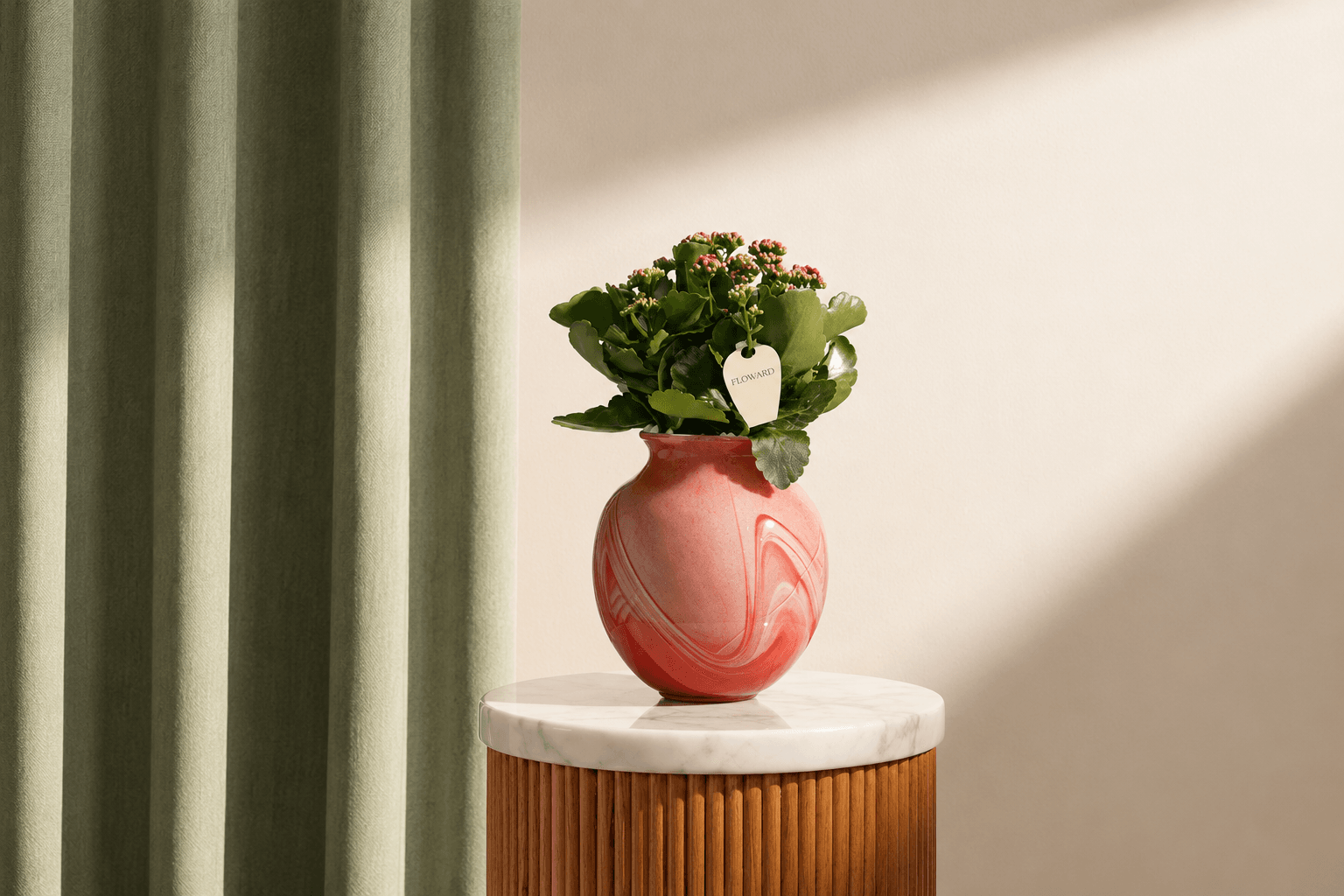
Even easy plants can have problems. The good news is that most Kalanchoe plant issues are are easy to identify and fix once you know what to look for.
Problem | Likely Cause | Easy Fix |
| Yellow leaves: | Overwatering, poor drainage, or insufficient light | Allow the soil to dry before watering again, ensure the pot has drainage holes, and move the plant to a brighter location |
| Soft or mushy stems: | Root rot caused by consistently wet soil | Stop watering immediately, remove damaged stems, and repot into fresh, well-draining succulent soil if needed |
| Leggy or stretched growth: | Not enough sunlight | Place the plant closer to a bright window and lightly prune after flowering to encourage compact growth |
| No flowers or buds: | Lack of bright light, no long-night period, or excessive watering | Increase light exposure, follow the reblooming routine with long nights, and reduce watering frequency |
| Drooping leaves: | Overwatering, underwatering, or sudden temperature changes | Check soil moisture, adjust watering habits, and keep the plant away from cold drafts or heat sources |
| Brown leaf edges: | Excessive direct sunlight or dry indoor air | Move the plant slightly away from harsh afternoon sun and maintain stable indoor conditions |
| Mealybugs: | Common sap-sucking pests that appear as white cotton-like clusters | Wipe affected areas with a cotton swab dipped in rubbing alcohol and isolate the plant from others until the infestation is controlled |
| Aphids: | Small insects feeding on new growth and flower buds | Rinse the plant gently with water or treat with insecticidal soap suitable for houseplants |
| Scale insects: | Hard-shelled pests attached to stems and leaves | Remove manually with a soft cloth or cotton swab and monitor regularly for new outbreaks |
Is Kalanchoe Plant Toxic for Humans and Pets?
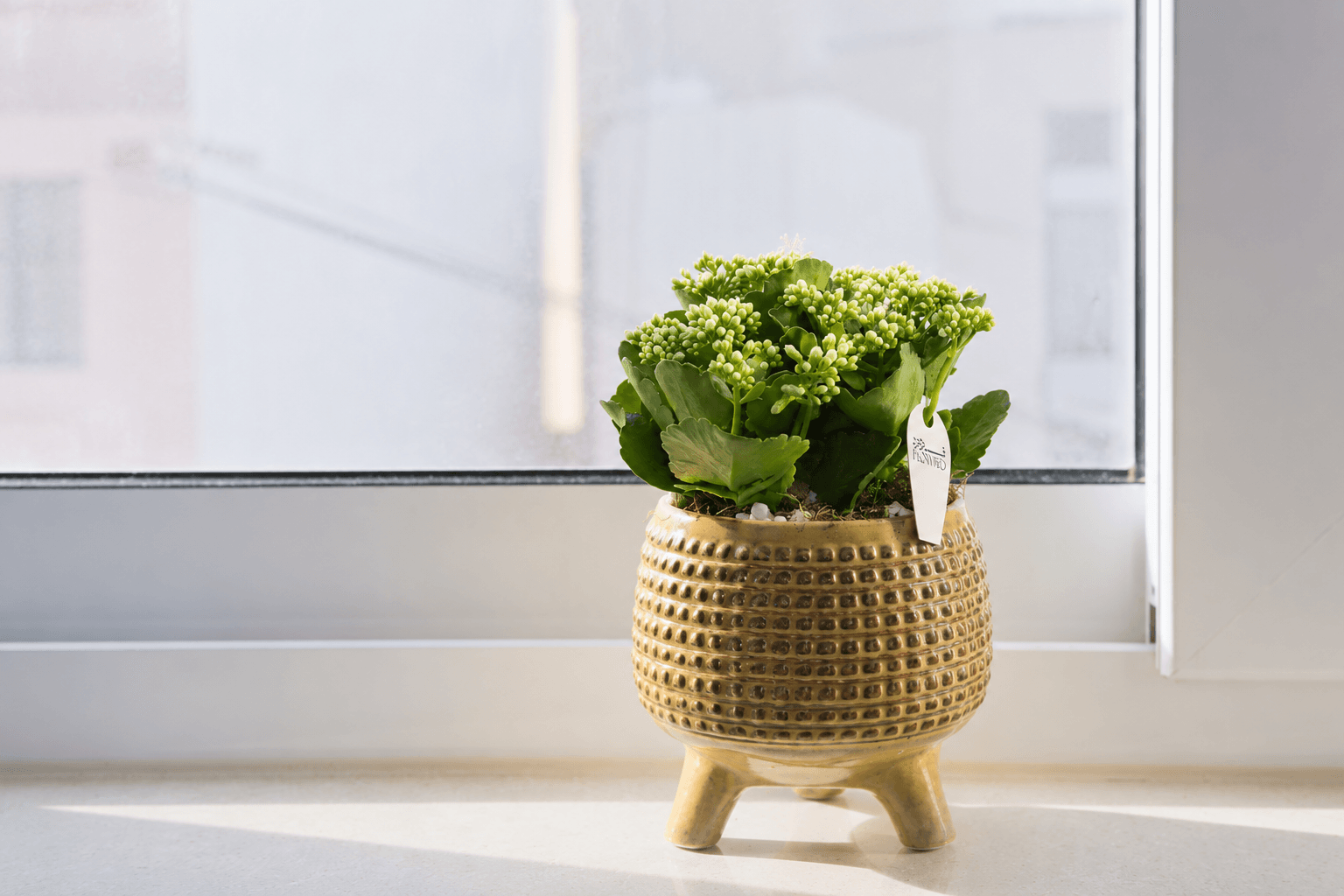
Yes, Kalanchoe can be toxic if eaten, so it should be kept away from pets and small children.
The ASPCA lists Kalanchoe as toxic to dogs and cats, with possible signs including vomiting, diarrhea, and, in rare cases, abnormal heart rhythm. NC State Extension also states that plants in the Kalanchoe genus are toxic to humans and pets if ingested, and recommends keeping them out of reach of children and pets.
This does not mean you cannot enjoy Kalanchoe at home. It simply means placement matters. Put the plant on a high shelf, a sunny windowsill that pets cannot reach, or in a room where children and animals do not play.
If a pet eats any part of the plant, contact a veterinarian as soon as possible. If a child eats part of the plant, contact a medical professional or local poison advice service for guidance. Kalanchoe is a plant to admire, not a plant to taste.
How to Style Kalanchoe at Home
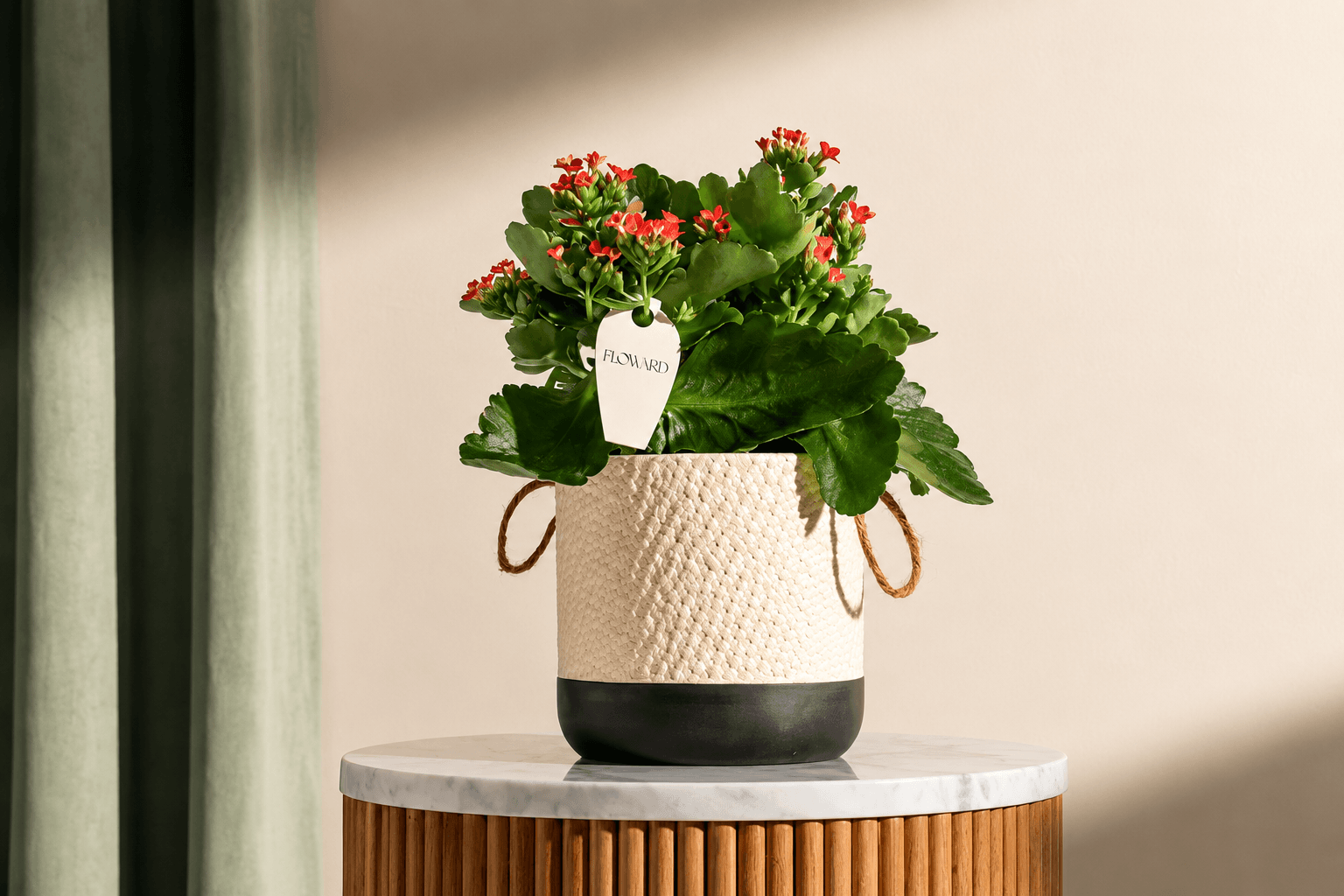
Kalanchoe is small but eye-catching, so it is easy to style. Its flowers are bright enough to stand alone, especially when placed in a simple ceramic pot or basket.
For a soft home look, place a pink or white Kalanchoe in a neutral pot. For a more cheerful mood, choose yellow, orange, or red blooms. It works beautifully on side tables, bright entryways, kitchen counters, balcony shelves, and home office desks.
As a gift, Kalanchoe feels warm and personal. It is perfect for someone who loves flowers but wants something that lasts longer than a fresh bouquet. With a little light and careful watering, the receiver can enjoy the plant beyond the first bloom.
Quick Kalanchoe Care Checklist
Here is the simplest way to care for your Kalanchoe plant:
| Care Need | What to Do |
| Light: | Place in bright indirect light or gentle sun |
| Water: | Water only when the soil feels dry |
| Soil: | Use well-draining cactus or succulent mix |
| Pot: | Choose a pot with drainage holes |
| Temperature: | Keep warm and protect from frost |
| Flowers: | Remove faded blooms |
| Reblooming: | Give long nights for about six weeks |
| Safety: | Keep away from pets and small children |
FAQs About Kalanchoe Plant Care
Is a Kalanchoe plant indoor or outdoor?
Kalanchoe can be indoor or outdoor. In cooler weather, it is best grown indoors near a bright window. In warm, frost-free climates, it can grow outdoors in pots, patios, or balconies. Bring it inside before cold nights or frost.
Is Kalanchoe plant good for home?
Yes, Kalanchoe is a good home plant because it is colorful, compact, and easy to care for. It is especially nice for beginners. However, it should be kept away from pets and children because it can be harmful if eaten.
How do you keep a Kalanchoe plant blooming?
Give it bright light, remove faded flowers, avoid overwatering, and use the long-night method when you want it to rebloom. Kalanchoe usually needs around six weeks of long nights to form new flower buds.
How often should I water Kalanchoe?
Water your Kalanchoe when the soil feels dry. Do not follow a strict calendar, because watering depends on light, temperature, pot size, and season. Always check the soil first.
Why are my Kalanchoe leaves turning yellow?
Yellow leaves are often caused by overwatering or low light. Let the soil dry before watering again, check that the pot drains well, and move the plant to a brighter spot.
Can Kalanchoe survive in low light?
It may survive for a while, but it will not be at its best. Low light can make the plant weak and reduce flowering. For healthy growth and better blooms, choose a bright location.
Should I cut off dead Kalanchoe flowers?
Yes. Removing dead flowers keeps the plant neat and helps it focus its energy on healthy growth. Use clean scissors and trim only the faded flower stems.
The Kalanchoe plant is an elegant gift for anyone who wants to enjoy vibrant colors and beautiful flowers without the need for complicated care. It combines the beauty of a flowering plant with the easy-going nature of a succulent, making it an excellent choice for both beginners and experienced plant lovers alike. With the right amount of light, moderate watering, and protection from cold temperatures, Kalanchoe can brighten your home, office, or balcony with its cheerful blooms for weeks at a time.