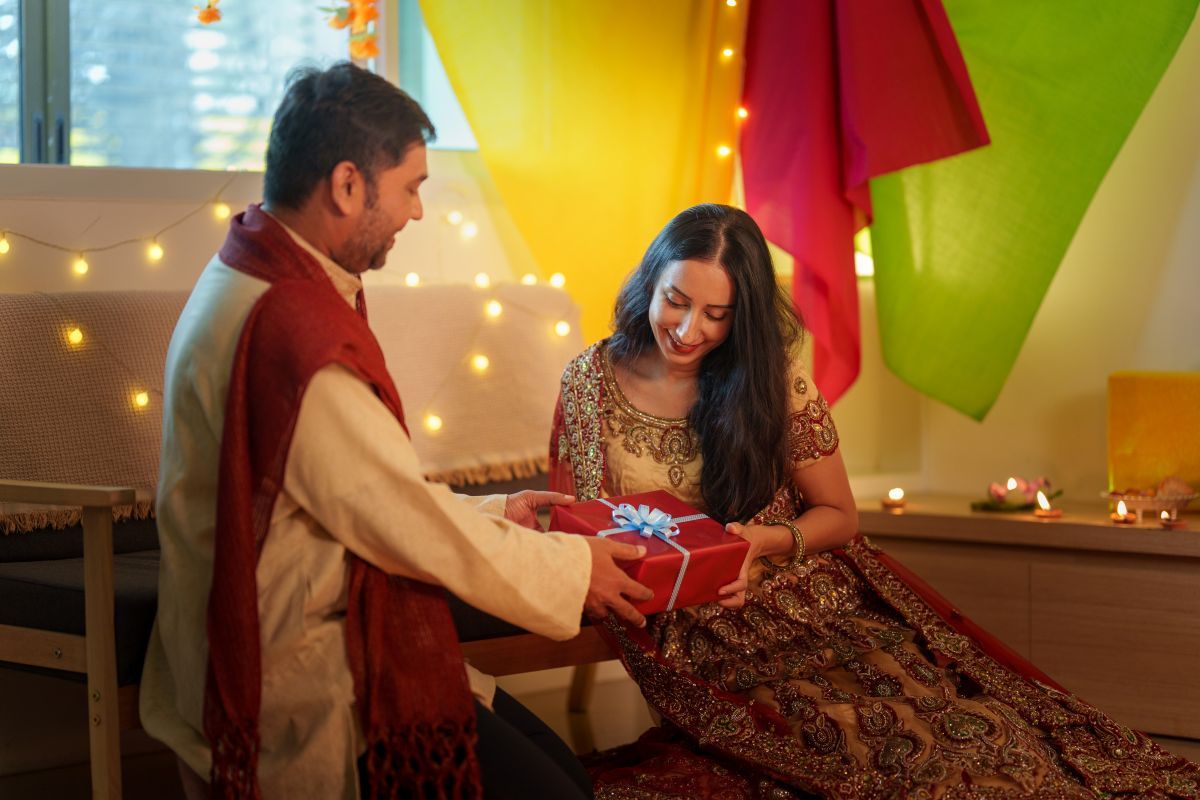
What happens when the house suddenly feels quieter than it ever has before? Becoming empty nesters is a deeply emotional transition for parents, where pride in your independence meets a quiet sense of longing. While you are stepping into a new chapter, they are adjusting to a life that feels unfamiliar without your daily presence. Understanding what empty nesters truly feel helps you respond with empathy, not assumption. In many cases, even small gestures can gently remind them that their role in your life has not changed. So, Let’s explore today their emotions during this time and how to make it easier for them.
What Does "Empty Nester" Mean?
The term “empty nesters” describes parents whose children have grown up and moved out, leaving behind a quieter home and a new lifestyle. This phase is not just about physical absence but about emotional adjustment to a different pace of life. Many parents experience this transition with mixed feelings, balancing joy for your achievements with a subtle sense of loss. The meaning of empty nesters goes beyond the surface—it reflects a shift in identity, routine, and emotional connection. Recognising this helps you better understand their perspective.
Why Does Becoming Empty Nesters Feels So Complex?
Before you left home, the details of everyday life revolved around you—from shared meals to simple conversations, all forming a routine you and your parents experienced together. Then, almost overnight, the house grows quieter, the rhythm shifts, and your absence leaves a space that is not easily filled. This sudden change can leave parents feeling unsettled, even questioning their sense of identity and their role in your life.
What Do Parents Really Need When Children Move Out?

Amid all these emotions and changing circumstances that parents experience after their children move out, can children offer support to help them adjust to this new phase? Absolutely. There are many meaningful ways you can support your parents during this transition, including:
- Reassurance and emotional continuity
When parents go through this stage, what they need most is reassurance that their relationship with their children remains strong and unchanged. They want to feel that you are still close to them, even with the distance between you. - Connection that feels intentional
For empty nesters, connection is not about frequency alone but about intention and effort. A thoughtful call or message can mean far more than occasional communication. Maintaining this connection helps reduce feelings of distance and disconnection. - A sense of continuation, not an ending
Becoming empty nesters should not feel like the end of a chapter for your parents, but rather a transformation. They need to feel included in your new life, even as it changes.
What Are Some Emotional Gifts for Your Parents as Empty Nesters?

Emotional gifts go beyond material value and focus on meaning, connection, and memory. For empty nesters, these gifts help fill the emotional space created by your absence. Choosing emotional gifts for parents shows that you understand their feelings and want to support them through this transition. The right gift can act as a reminder of your bond, even when you are not physically present. It becomes a symbol of continuity rather than distance.
Gift 1: Home Comfort Upgrades
Improving your parents’ daily life can be one of the most practical ways to show appreciation. Items like a coffee machine, a tablet, or a new phone can make their routines more enjoyable and convenient. These upgrades add comfort to their home environment, especially as empty nesters adjust to a quieter lifestyle.
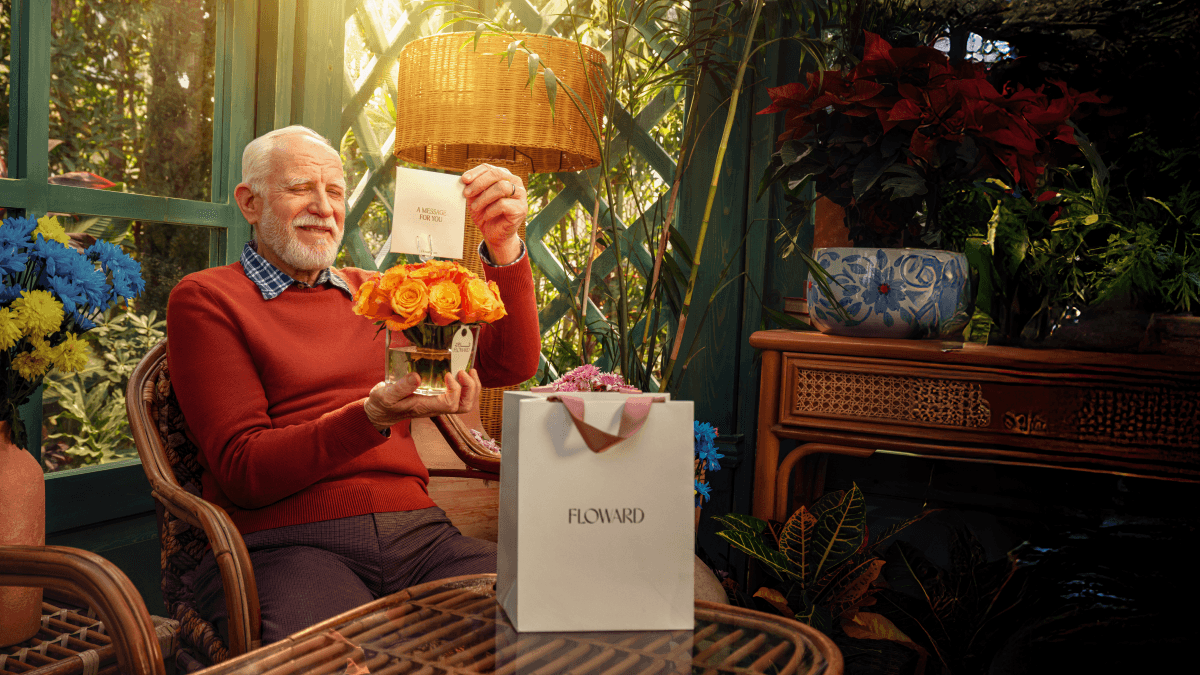
Gift 2: Flowers That Express Gratitude
Flowers have a unique ability to express emotions that words sometimes cannot capture. Sending flowers regularly can serve as a gentle reminder that you are thinking of them. As empty nesters gifts, they create a sense of presence and warmth in your absence. A weekly or occasional flower delivery can become a meaningful ritual. It’s a simple yet powerful way to maintain emotional connection.
Gift 3: A Shared Experience Gift
Experiences often create stronger memories than physical items, especially for empty nesters. Planning a family trip, a spa day, or even a regular dinner together can bring back a sense of togetherness. These experiences encourage your parents to rediscover joy and connection in new ways. They also help redefine your relationship as adults. Shared moments become something they can look forward to.
How to Go Beyond Gifts?
Calling more often and staying present
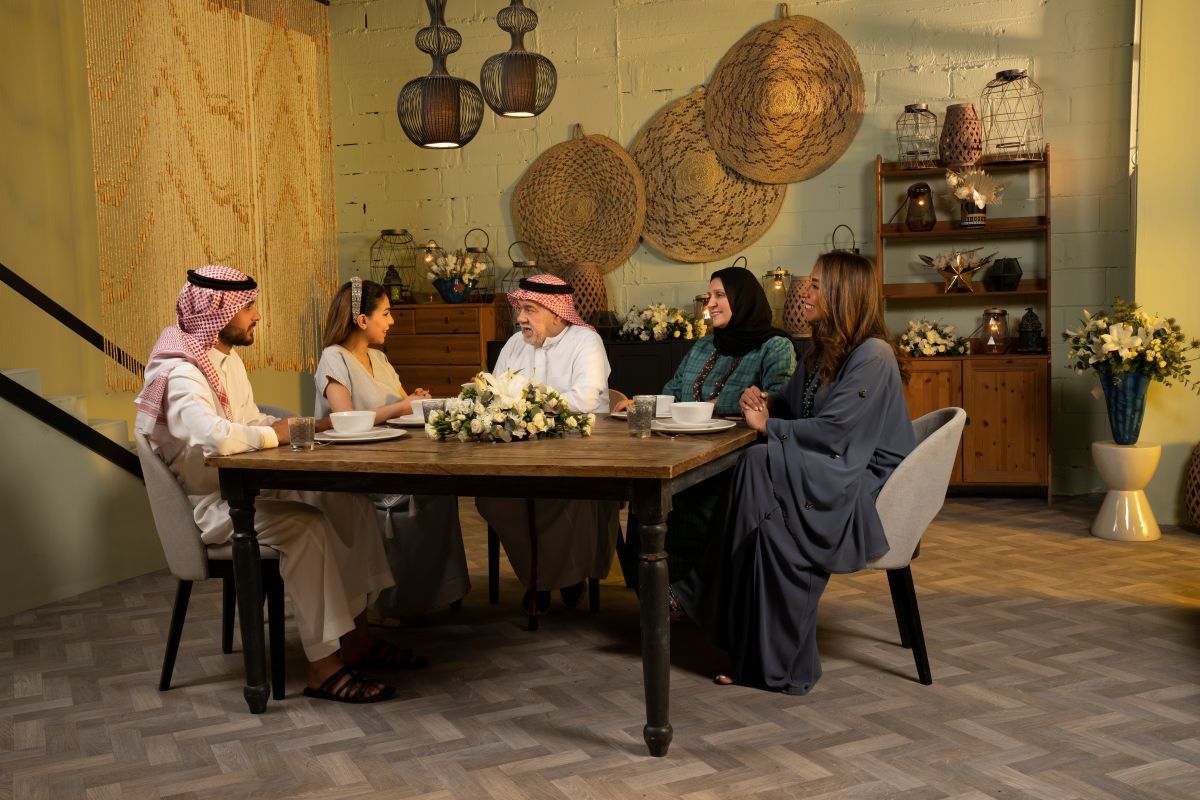
While empty nesters gifts are meaningful, consistent communication is even more valuable. Calling your parents regularly helps maintain emotional closeness despite physical distance.
Visiting with intention
When visiting your parents as empty nesters, being fully present matters more than the frequency of visits. Spending quality time together strengthens your relationship in meaningful ways.
Including them in your life decisions
Including your parents in your life helps them feel valued and connected. For empty nesters, being part of your journey reinforces their importance in your life. Sharing updates, seeking advice, and involving them in decisions strengthens your bond.
Parenthood does not end when children leave home—it evolves into something quieter but equally meaningful. For empty nesters, this stage is about adjusting, rediscovering, and holding onto the love they’ve always given. When you respond with intention, whether through emotional gifts or meaningful connection, you reinforce that bond. In the end, what matters most is not just what you give, but how you make them feel. Seen, appreciated, and never truly alone.