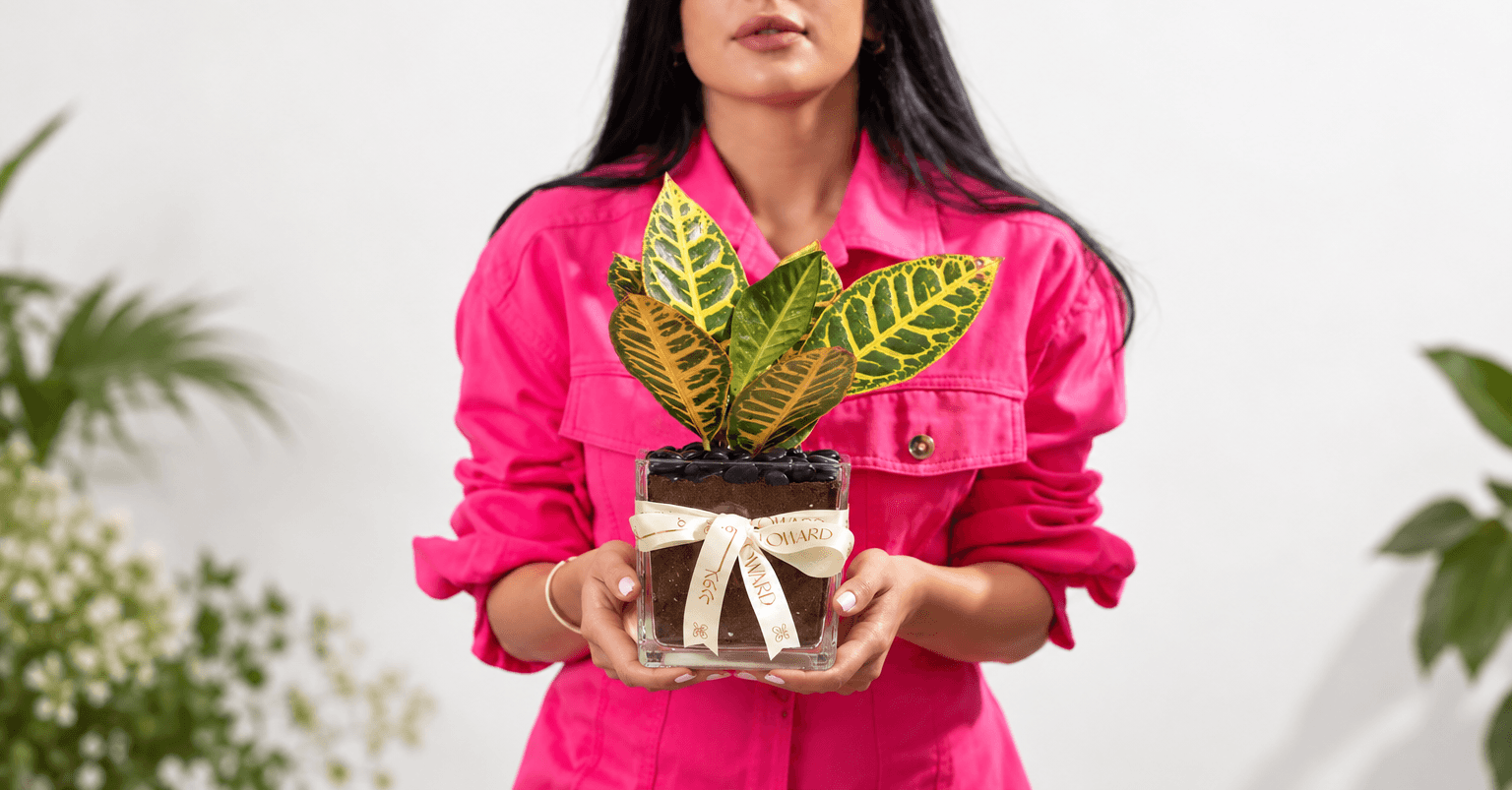
The peace lily plant combines glossy green leaves with graceful white blooms, giving indoor spaces a fresh and peaceful appearance. It is also relatively easy to understand, making it appealing to people buying their first houseplant. This guide explores what makes the peace lily special, what it symbolizes and how you can care for it successfully at home.
What Is a Peace Lily Plant?
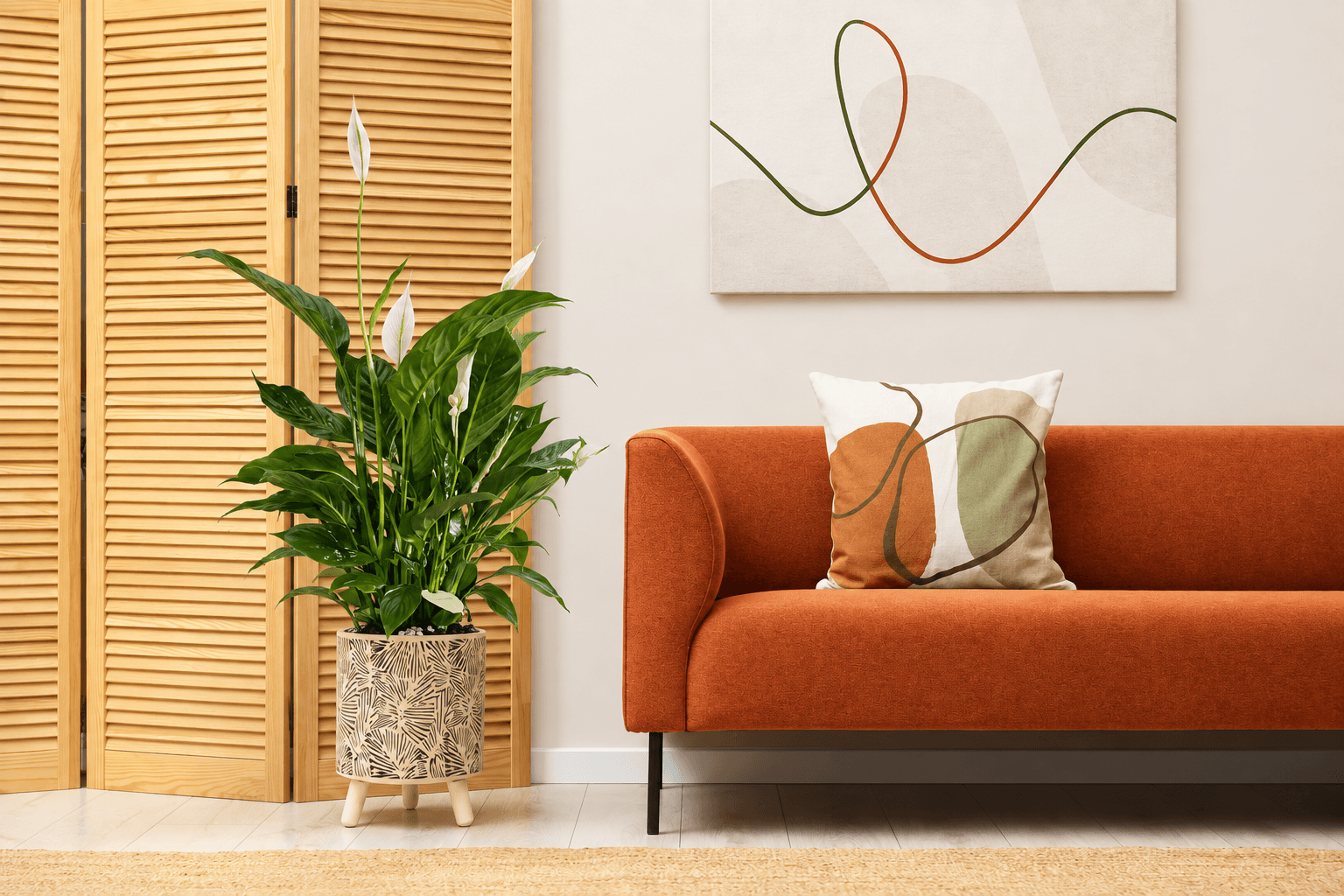
The peace lily is a tropical evergreen plant from the Spathiphyllum genus and the Araceae family. It is also commonly known as the spathe flower, white sails plant and Spathiphyllum plant. These names refer to its distinctive white spathes, which resemble small sails rising above the green foliage. Despite its common name, the peace lily is not a true lily.
What appears to be its white flower is actually a modified leaf called a spathe. It surrounds a central spike called the spadix, which carries many tiny true flowers. In its natural habitat, the peace lily grows beneath tropical forest canopies, where it receives warmth, humidity and filtered light. These conditions explain why it grows well inside homes when protected from strong sunlight.
Most varieties form neat clusters of broad, dark green leaves, although their final size depends on the cultivar. Their white spathes gradually become pale green as they mature, which is a normal part of the flowering cycle. This combination of structured foliage and delicate white spathes gives the plant its recognizable appearance.
Pick the Perfect Bouquet

EGP 1,865
Colorful Flowers Vase 
EGP 26,000
Pink Rose Bouquet | 250 Flowers
EGP 800
Whispers of Warmth Flowers Bouquet
EGP 750
Quiet Details Flowers Bouquet
EGP 1,070
Elegant Pink Roses Bouquet | 12 Roses
EGP 2,160
Pure Pink Roses Bouquet | 25 Roses
EGP 4,195
Fleur Red Heart Chocolate Box | Charming Flowers Bouquet 
EGP 4,680
Revival Rose Bouquet | 50 Rose
EGP 3,159
Moko Dragée Gift Jars | Romantic Flowers Bouquet 
EGP 1,100
Rustic Charm White Roses Bouquet | 12 FlowersWhat Does the Peace Lily Symbolize?
The peace lily most commonly symbolizes peace, harmony and calmness. Its white spathe resembles a white flag, which helped inspire its name and peaceful meaning. The white color is also associated with purity, sincerity and new beginnings.
Peace lilies may also express sympathy, remembrance and emotional support. Their quiet beauty makes them a suitable gift for someone moving into a new home, beginning a new chapter or going through a difficult period.
Elegant Home Décor Gifts

EGP 4,643
Hedeya Luxury Dates Serving Plate
EGP 4,845
Kin Suki Papaya Dessert Plates Set
EGP 21,432
Maison M M.IV.J Black Portable Diffuser 
EGP 1,580
Nno Organica Black Small Rough Vase
EGP 1,950
Candle Connection Tear Drop Set
EGP 3,145
Kin Suki Coastal Bloom Multipurpose Plate
EGP 1,100
Splendour Black Vanilla Scent Diffuser
EGP 659
Candle Connection Cinnamon Spice Candle
EGP 2,279
Splendour Black Vanilla Set
EGP 11,225
Floward Black Opal Unique Glass VaseWhat Are the Benefits of a Peace Lily Plant?
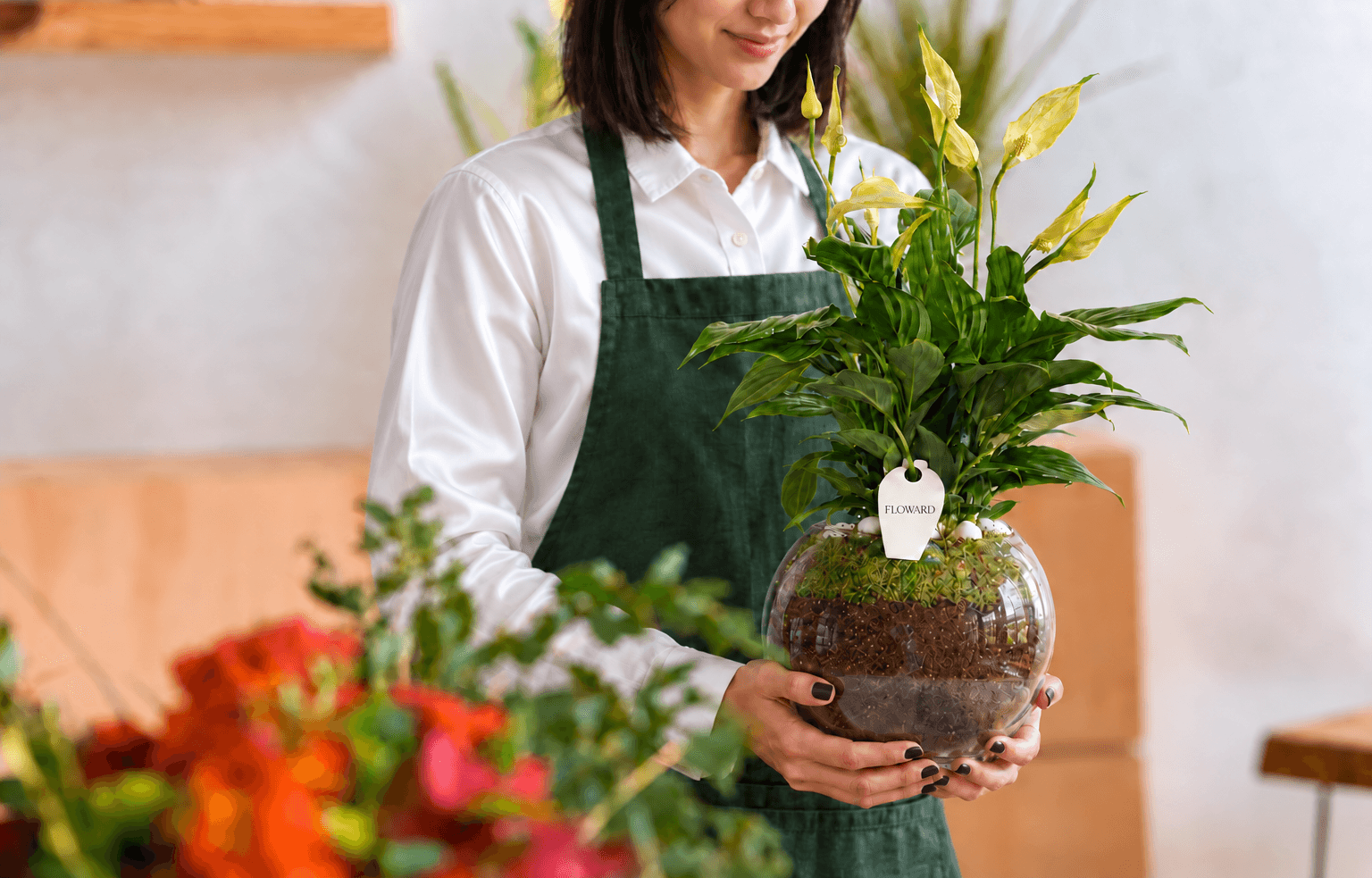
The main benefits of a peace lily plant relate to its appearance, adaptability and approachable care needs:
- Peace lily adds natural color to indoor spaces: The plant’s rich green foliage can soften modern interiors, brighten quiet corners and complement both neutral and colorful décor.
- It remains attractive between flowering periods: Even when the white spathes are absent, the broad, glossy leaves continue to give the plant a lush and decorative appearance.
- It tolerates different indoor light levels: A peace lily can adapt to lower light better than many flowering houseplants, although bright, indirect light produces stronger growth and more frequent blooms.
- It is approachable for beginners: The leaves often droop when the soil becomes dry, giving new plant owners a visible sign that the plant needs attention.
- It encourages a simple care routine: Checking the soil, cleaning the leaves and watching new growth develop can become an enjoyable part of caring for the home.
Does a Peace Lily Purify the Air?
Peace lilies can absorb certain airborne compounds in controlled laboratory environments, but this does not mean that one plant can clean the air in an entire room. Research shows that ordinary potted plants work too slowly to replace proper ventilation or air filtration. It is therefore more accurate to appreciate a peace lily for its beauty and connection with nature rather than present it as a powerful natural air purifier.
Is a Peace Lily the Right Plant for Your Home?
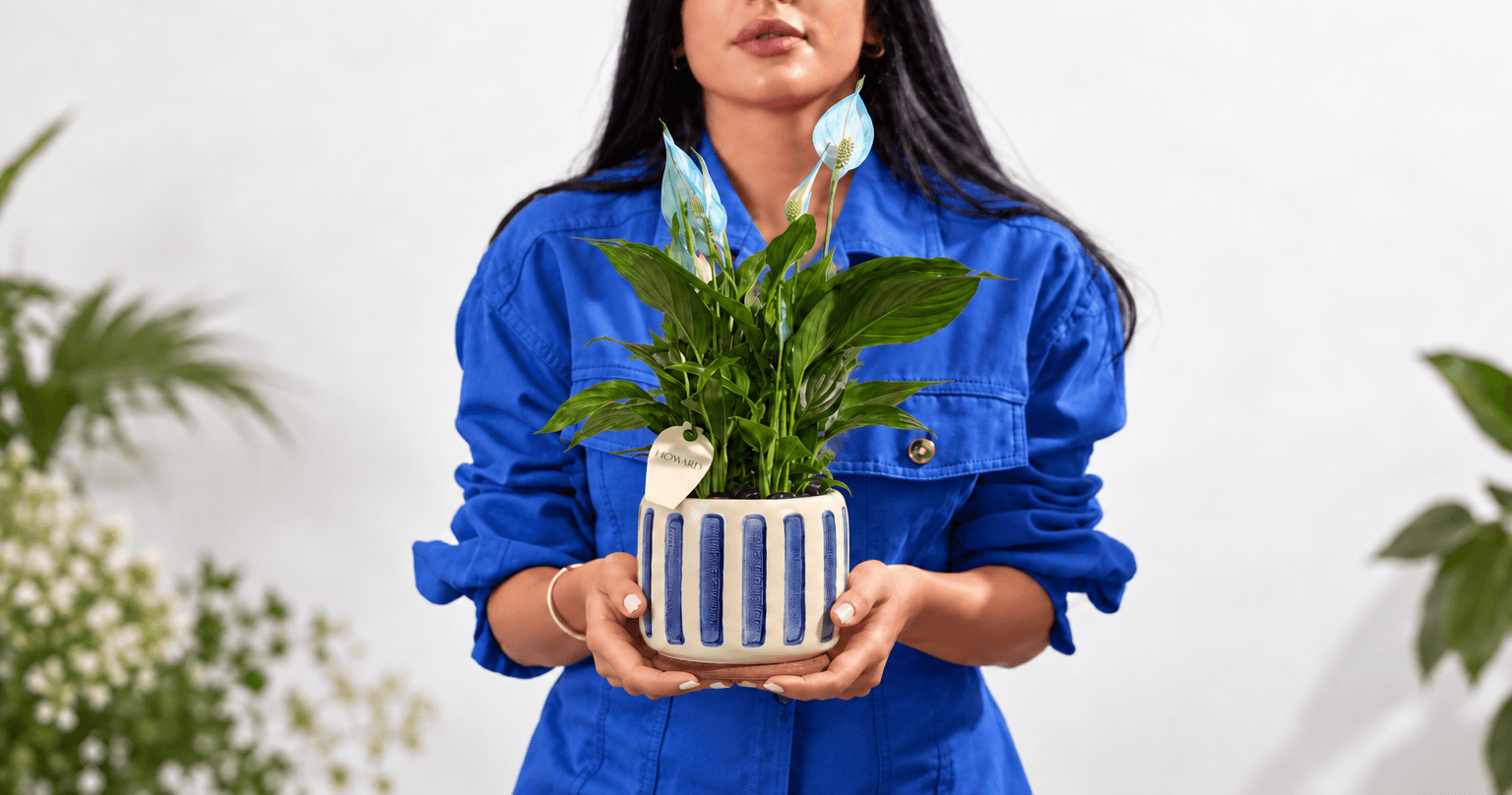
A peace lily may be right for your home if you want an elegant indoor plant without a complicated care routine. It suits beginners, busy plant owners and people living in homes with bright but filtered natural light. Its leaves also droop when the soil becomes too dry, providing a visible sign that the plant needs attention.
However, it may not suit every household. You will need to protect it from direct sunlight, avoid overwatering and keep it away from children or pets that may chew the leaves. Considering these points before bringing the plant home will help you decide whether you can provide the environment it needs.
How to Care for a Peace Lily at Home
Peace lily care at home becomes much easier once you understand how light, water and temperature affect the plant. The following simple steps will help you create suitable growing conditions without turning its care into a complicated routine.
Provide Bright, Indirect Light
Place your peace lily near a bright window where the sunlight is filtered by a sheer curtain or does not fall directly on the leaves. Strong sunlight may leave pale, scorched patches, while very low light can slow growth and prevent flowering. If the foliage looks healthy but no white spathes appear, the plant may need a brighter position.
Check the Soil Before Watering
Water your peace lily when the top few centimeters of soil begin to feel dry. Add enough water to moisten the entire root ball, then allow the excess to drain completely. The leaves may droop when the plant is thirsty, but repeatedly waiting for severe wilting can eventually weaken it.
Avoid following a rigid watering schedule because the soil may dry at different speeds depending on the season, light and indoor temperature. Constantly wet soil prevents air from reaching the roots and may lead to root rot. Never leave the inner pot standing in water inside a decorative container.
Use Well-Draining Soil and Pot
Choose a light indoor potting mix that holds some moisture without becoming heavy or waterlogged. The pot must have drainage holes so excess water can escape. When the roots become crowded, move the plant into a container only slightly larger than its current pot. An oversized container may hold more moisture than the roots can absorb, leaving the soil wet for too long.
Maintain Warmth and Humidity
Peace lilies prefer warm rooms with moderate humidity and stable temperatures. Keep yours away from cold air-conditioning vents, heaters and sudden temperature changes. Dry indoor air may contribute to brown leaf tips, particularly in heavily air-conditioned rooms. A bathroom can provide useful humidity, but only if it also has a window or another source of natural light.
Feed, Clean and Prune Carefully
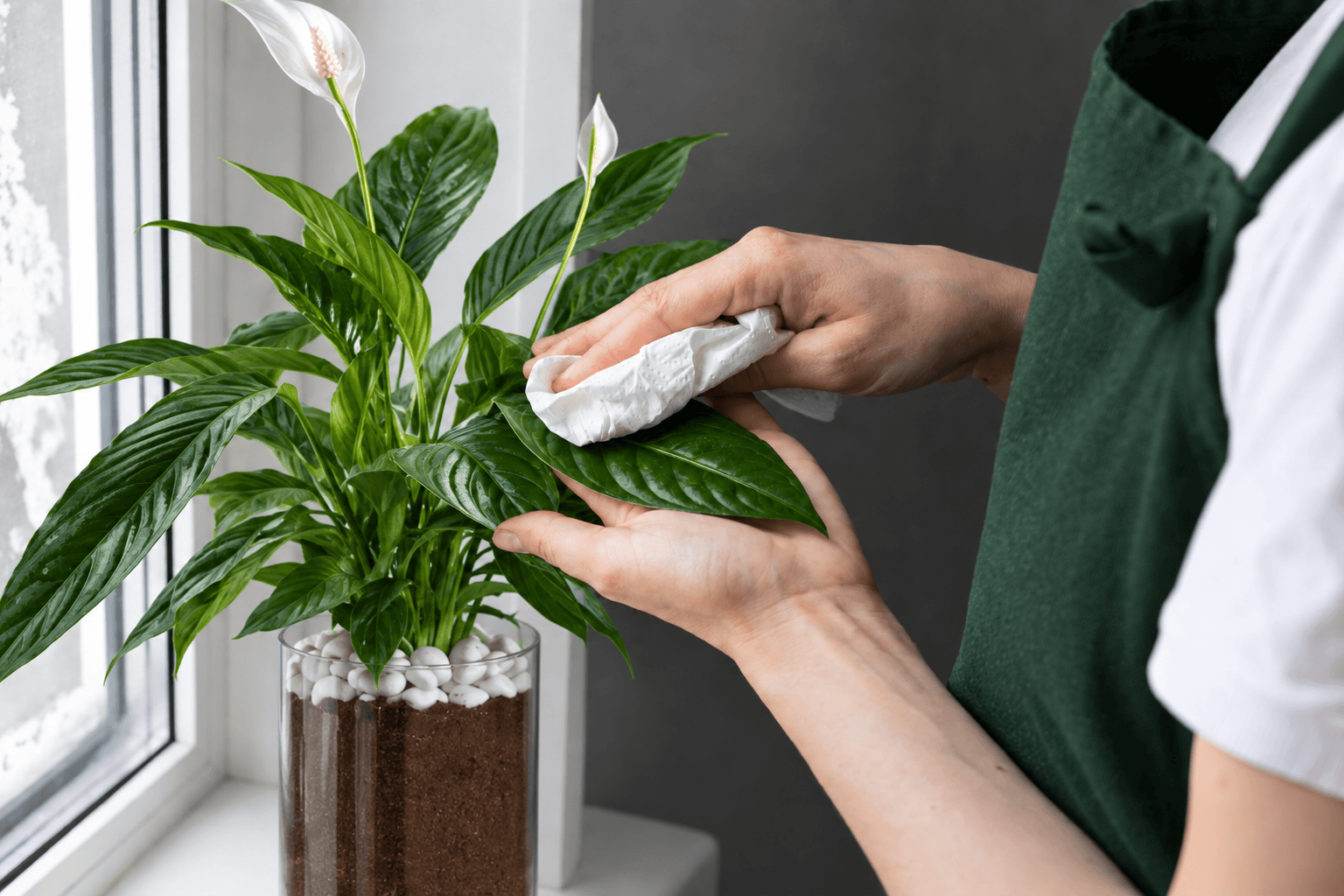
Apply a diluted, balanced houseplant fertilizer during periods of active growth, following the instructions on its label. Too much fertilizer can damage the roots and cause brown leaf tips. Wipe dusty leaves with a damp cloth, and remove yellow leaves or faded flower stems using clean scissors. Repot only when the roots have filled the container, and propagate an established plant by dividing its root clumps.
Pick the Perfect Bouquet
EGP 1,865
Colorful Flowers Vase EGP 26,000
Pink Rose Bouquet | 250 FlowersEGP 800
Whispers of Warmth Flowers BouquetEGP 750
Quiet Details Flowers BouquetEGP 1,070
Elegant Pink Roses Bouquet | 12 RosesEGP 2,160
Pure Pink Roses Bouquet | 25 RosesEGP 4,195
Fleur Red Heart Chocolate Box | Charming Flowers Bouquet EGP 4,680
Revival Rose Bouquet | 50 RoseEGP 3,159
Moko Dragée Gift Jars | Romantic Flowers Bouquet EGP 1,100
Rustic Charm White Roses Bouquet | 12 FlowersCommon Peace Lily Problems and Solutions
Changes in the leaves, soil or flowers can reveal a great deal about the condition of your peace lily. Identifying these signs early will help you correct its care before a small problem begins to affect the entire plant.
| Problem | Possible cause | What to do |
| Drooping leaves with dry soil: | The plant needs water | Water thoroughly and allow it to drain |
| Drooping leaves with wet soil: | Overwatering or root damage | Reduce watering and inspect the roots |
| Yellow leaves: | Excess water or natural ageing | Check the soil and drainage |
| Brown leaf tips: | Dry air, mineral buildup or irregular watering | Review humidity and watering habits |
| Pale or dry patches: | Direct sunlight | Move the plant into filtered light |
| No white blooms: | Insufficient light | Provide brighter indirect light |
| White spathes turning green: | Natural ageing | Remove them after they fade |
Where Should You Place a Peace Lily at Home?
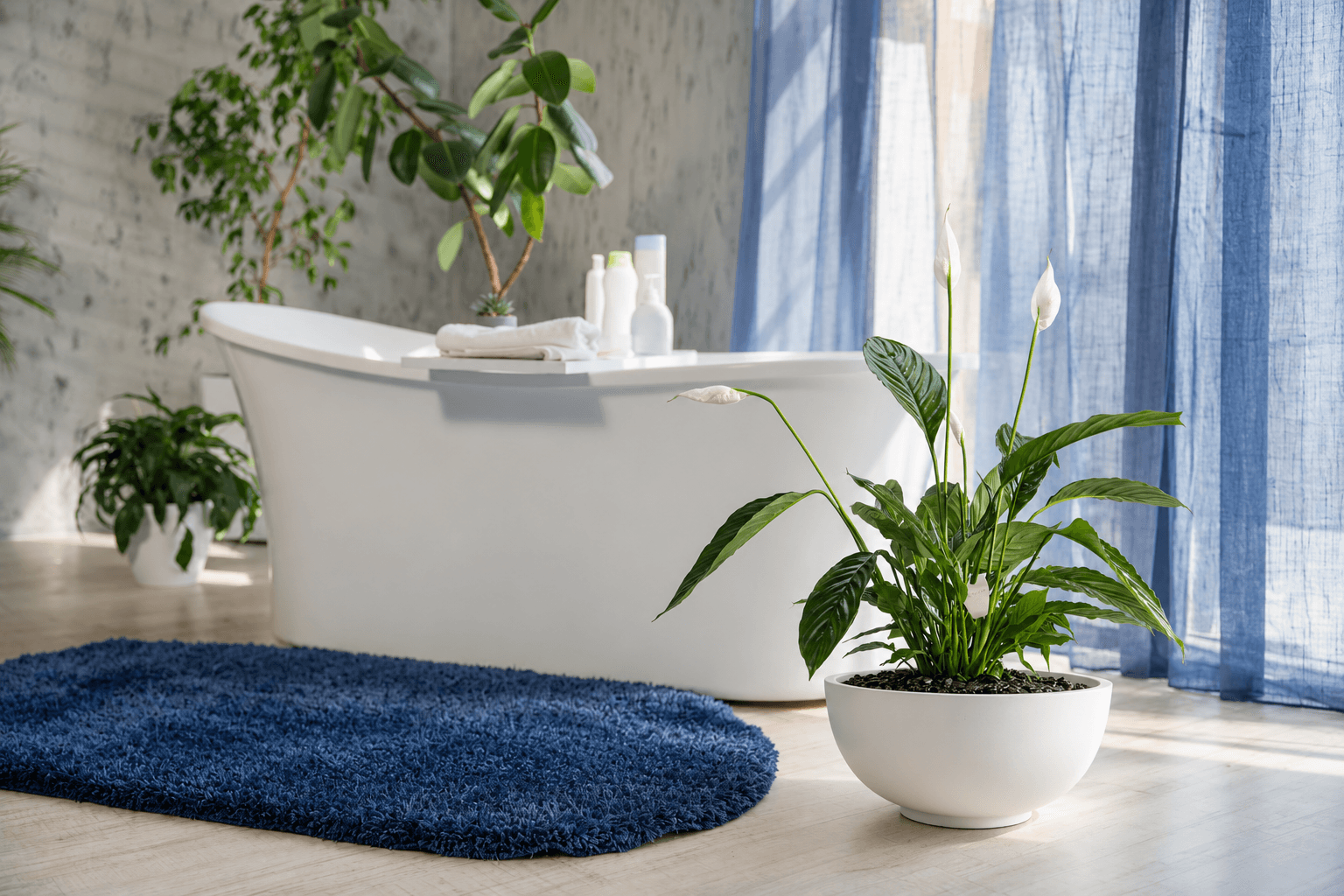
A bright living room, bedroom or home office can provide a suitable setting if the peace lily plant is protected from direct sunlight. It can also grow well in a bathroom with a window, where the air is naturally more humid. Avoid completely dark corners, hot windowsills and locations directly beneath an air conditioner. The ideal position offers filtered light, stable warmth and enough room for the foliage to spread.
Is Peace Lily Toxic?
Peace lilies contain insoluble calcium oxalate crystals and should not be chewed or swallowed. These crystals can cause burning in the mouth, excessive drooling, vomiting and difficulty swallowing. Keep the plant away from curious children, cats and dogs. Contact a medical professional or veterinarian promptly if you suspect that part of the plant has been eaten.
With filtered light, balanced watering and a warm position, a peace lily can bring lasting greenery into the home. Its graceful appearance and meaningful symbolism also make it an elegant gift for someone beginning a new chapter.