Have you ever noticed that the same apology can mean completely different things to different people? While one person feels comforted by heartfelt words, another might only believe you're sorry after seeing genuine effort. Understanding your apology style can help you repair relationships in a way that feels sincere rather than routine. Take this quick quiz to discover how you naturally apologise—and what helps you feel truly forgiven.
Take the Apology Style Quiz
Choose the answer that feels most like you. There are no right or wrong answers.
1. When someone hurts your feelings, what helps you move forward?
A. They sincerely admit they were wrong.
B. They surprise you with flowers or a thoughtful gift.
C. They make a real effort to fix what happened.
D. They listen carefully without becoming defensive.
E. They comfort you with warmth or a hug.
2. When you need to apologise, what feels most natural?
A. Having an honest conversation.
B. Giving a meaningful gift that shows you care.
C. Doing something helpful to make things right.
D. Listening to the other person's feelings before responding.
E. Offering reassurance through affection and kindness.
3. Which apology feels the most genuine?
A. "I was wrong, and I'm truly sorry."
B. A handwritten note with a thoughtful surprise.
C. Seeing someone actively correct their mistake.
D. Spending uninterrupted time talking things through.
E. A quiet gesture that reminds you how much you matter.
4. How do you usually show someone you care?
A. By communicating openly.
B. Through thoughtful gifts or surprises.
C. By helping whenever they need you.
D. By being dependable and present.
E. Through affection and emotional support.
5. What convinces you that an apology is sincere?
A. They take full responsibility.
B. They remember something meaningful to you.
C. They change their behaviour over time.
D. They genuinely listen to how you feel.
E. They make you feel safe and reassured again.
6. What matters most to you in a relationship?
A. Honesty.
B. Thoughtful gestures.
C. Consistent actions.
D. Patience and understanding.
E. Emotional closeness.
7. If you've hurt someone, what are you most likely to do?
A. Talk to them as soon as possible.
B. Send flowers or a meaningful gift with a note.
C. Help them in a practical way.
D. Give them space, then listen when they're ready.
E. Offer comfort and reassurance.
8. After saying sorry, what feels most important?
A. Making sure they know how sorry you are.
B. Following up with a thoughtful gesture.
C. Proving you've learned from your mistake.
D. Giving them the time they need to process things.
E. Rebuilding emotional closeness together.
9. Which sentence feels the most meaningful?
A. "I take full responsibility."
B. "I'd love to do something thoughtful for you."
C. "I'll make sure this doesn't happen again."
D. "I'm here to listen whenever you're ready."
E. "Our relationship means more to me than this mistake."
10. If you could always receive one kind of apology, what would you choose?
A. A heartfelt conversation.
B. A thoughtful apology gift.
C. Real actions that rebuild trust.
D. Time together to reconnect.
E. A comforting embrace.
What Your Answers Say About You
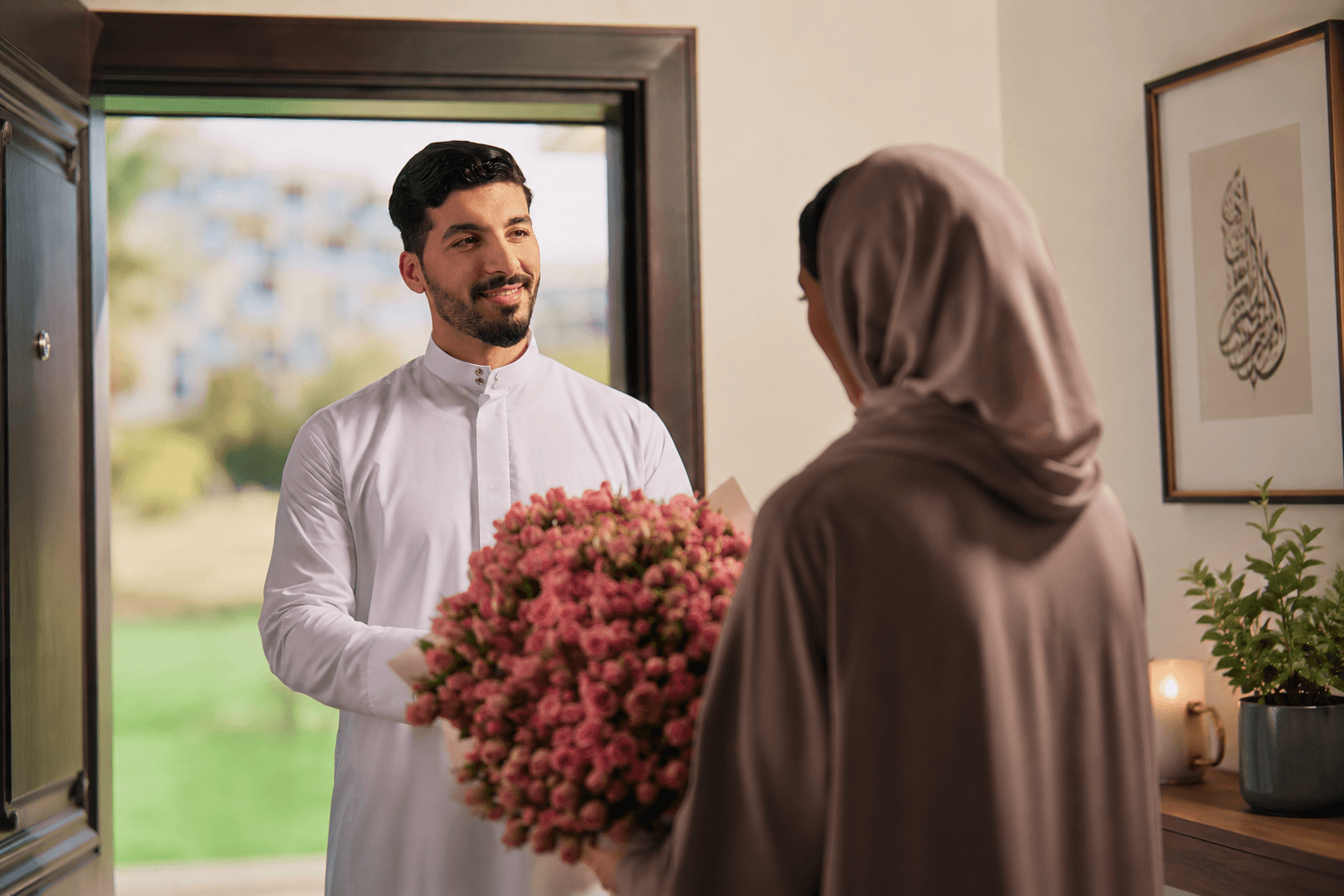
Mostly A – The Communicator
For you, the best apology begins with honesty. You appreciate people who admit their mistakes without making excuses and who are willing to have an open conversation. Hearing someone genuinely say, "I was wrong," helps you feel respected and understood. While thoughtful gestures are always welcome, sincere words remain the foundation of trust.
Mostly B – The Thoughtful Giver
You believe meaningful gestures can express emotions that words sometimes cannot. Whether it's a handwritten note, flowers for apology, or a carefully chosen apology gift, small acts of kindness show genuine effort to you. The thought behind the gesture matters far more than its price, making your approach both personal and heartfelt.
Mostly C – The Action Taker
Promises alone rarely convince you. You believe apologies become meaningful when they're followed by consistent effort and positive change. Whether it's acts of service apology, correcting a mistake, or showing greater care in the future, actions are what rebuild trust in your eyes.
Mostly D – The Listener
Understanding comes before forgiveness for you. You appreciate people who take the time to listen, acknowledge your feelings, and respect your perspective. Rather than rushing to move on, you value conversations that create space for honesty, empathy, and mutual understanding.
Mostly E – The Comforter
You naturally lead with warmth and emotional connection. A reassuring hug, a gentle conversation, or simply being present can mean more than a long explanation. Feeling emotionally close again is what helps you let go of hurt and move forward together.
Pick the Perfect Bouquet

EGP 999
Pure Love Flower Bouquet
EGP 2,030
Elegant Royal Flowers Bouquet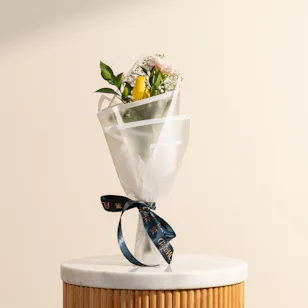
EGP 500
Soft Radiance Flowers Bouquet
EGP 6,092
Splendour Home Fragrance Set | Glam Red Roses Bouquet 
EGP 39,710
Apple Watch Series 11 Jet Black Aluminum 46mm Case | Tender Red Roses Bouquet
EGP 2,320
Areej Vanilla Bomb Shell Kit | Timeless Devotion Flowers
EGP 8,320
Hrh Surat Al Ikhlass Gold Plated Necklace | Lovely Roses Bouquet 
EGP 16,269
L’azurde Letter E Gold Necklace | Radiant Charm Bouquet
EGP 24,520
L'azurde Letter F Colored Stones Necklace | Sweet Roses Bouquet 
EGP 2,990
Dreamy Pink Rose Bouquet | 35 Flowers
Every relationship is different, which means there isn't a single apology style that works for everyone. Understanding how you naturally apologise—and how the people you care about prefer to receive an apology—can make difficult conversations feel more genuine and less stressful. Whether your instinct is to offer heartfelt words, meaningful gestures, flowers for apology, practical actions, or quiet support, sincerity is what people remember most. The best apologies aren't about saying the perfect thing—they're about helping someone feel heard, valued, and cared for.