Layering jewellery is the art of combining multiple pieces of a certain type, like necklaces, rings, bracelets, or earrings, to create a look that feels both personal and stylish. It allows you to express individuality while adding depth and sophistication to any outfit. Whether it is necklace layering for an elegant neckline, ring stacking for a modern touch, or mixing gold and silver jewellery, the options are endless. This styling guide explores expert jewellery layering tips and highlights common mistakes to avoid. Discover how to make your accessories work in harmony for effortless glamour.
Learn the Basics of Layering Jewellery
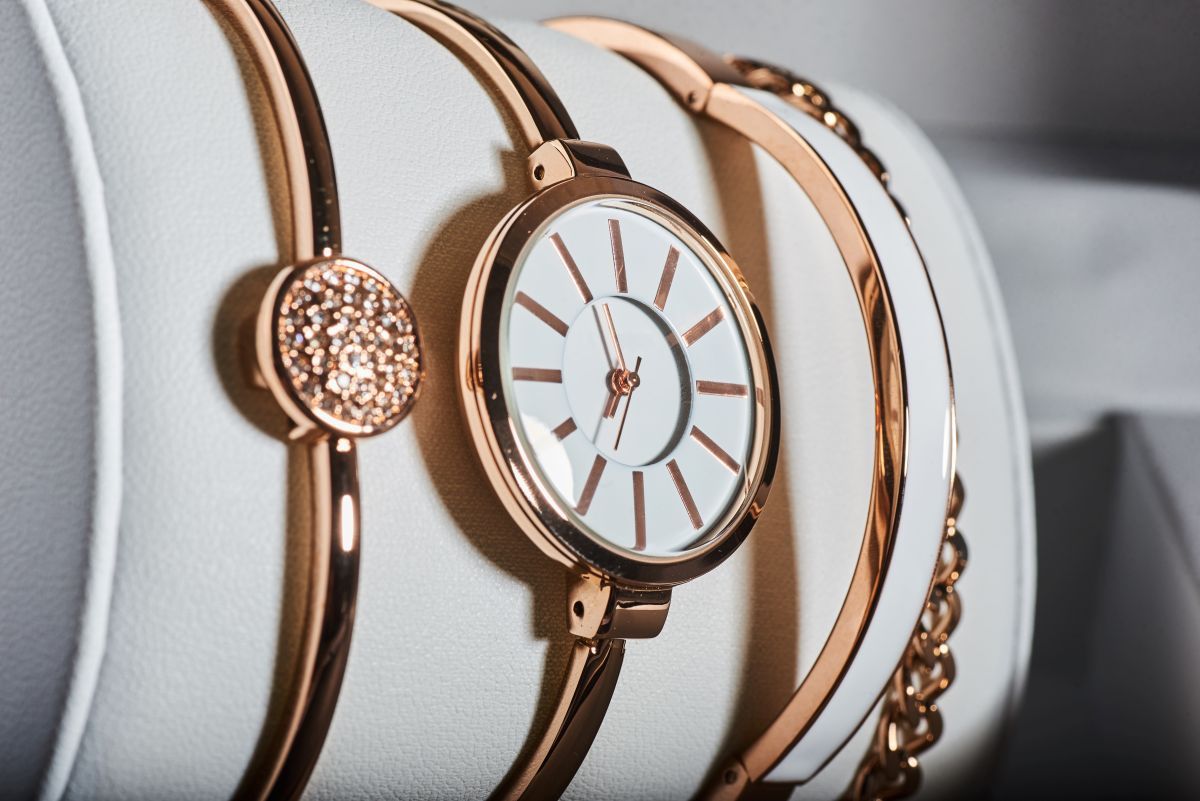
Basic Pieces
Before experimenting with layering jewellery, it’s essential to own a few basic pieces that can form the foundation of your look. Simple necklaces, elegant rings, delicate bracelets, and minimal earrings create the perfect canvas for more complex styles. Once you have these essentials, you can gradually add statement items to elevate your combinations.
Chain Lengths
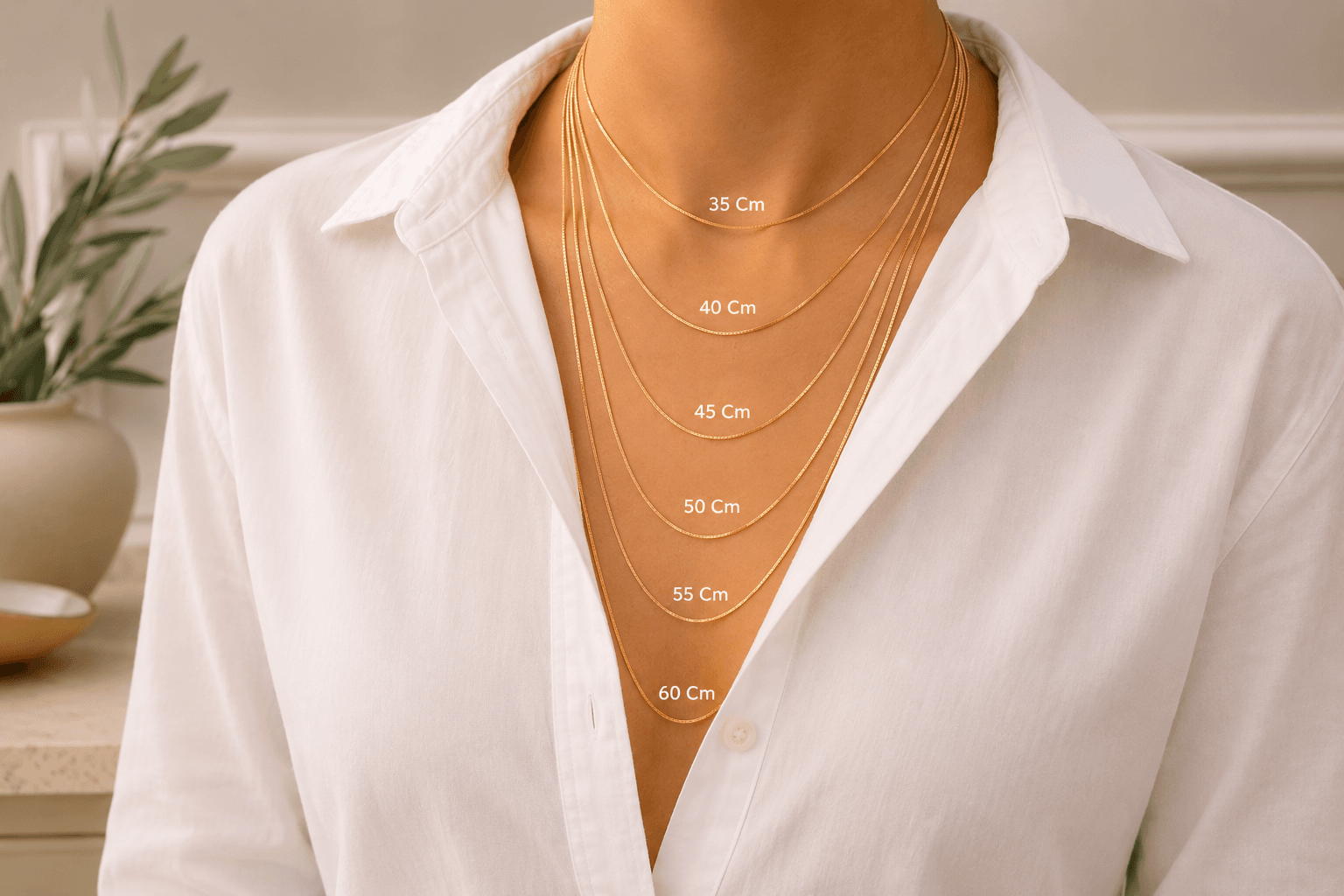
Necklace chain lengths are the backbone of layering Jewellery. Each length creates a different effect and adds depth when combined correctly:
35cm — Fits snugly around the neck, just above a choker.
40cm — Sits loosely along the neckline.
45cm — Falls between the collarbone and chest.
50cm — Slightly lower but doesn’t reach the chest.
60cm — Rests on the upper chest.
76cm — Falls under the chest.
84cm — One of the longest options, sitting just above the navel.
Colors
When layering jewellery, colours play a vital role in creating visual harmony. While sticking to a single metal, such as gold or silver, ensures a classic finish, mixing tones can feel modern and bold. Combining yellow gold with rose gold or silver can transform your accessories into a true fashion statement. The key is to balance warm and cool tones without overwhelming your overall look.
Texture
Texture adds dimension to layering jewellery and prevents the pieces from blending into one another. Smooth chains pair beautifully with crinkled or patterned designs, creating a striking contrast. Similarly, delicate rings work well with chunkier designs to create balance. When selecting fashion accessories, think of texture as a way to enhance uniqueness without distracting from elegance.
Statement Pieces
Every jewellery collection should include a few statement pieces. These could be bold necklaces, chunky rings, or standout earrings that anchor the rest of your styling. Statement items draw attention and add personality, making the overall look more curated. Choose pieces you truly love so they reflect your individuality while elevating the Jewellery layering process.
Outfit Style
Your clothing style heavily influences how jewellery layering appears. Necklines, sleeve lengths, and patterns all determine what works best. For example, a V-neckline pairs well with graduated lengths featuring a pendant, while a crewneck benefits from layered textures. With a turtleneck, longer necklaces elongate the frame beautifully. Always let your outfit guide how you style your jewellery for balance and elegance.
Premium Jewelry & Accessories

EGP 27,530
Tissot Ballade Silver Women's Watch
EGP 20,265
Siran by Iram Linglong Gold Necklace
EGP 66,000
BTC King George V Gold One Pound Coin 21k | 8gm
EGP 21,091
Miss L' Stud and Drop Earrings | Classy Roses Bouquet 
EGP 18,320
L'azurde Earrings for Women | Harmony Red Roses Bouquet
EGP 17,000
L'azurde Gold Round Pearls with Stones Earrings | 18 k
EGP 12,749
L'azurde Instyle Letter Y Colored Stones Gold Necklace
EGP 13,251
L'azurde R Letter Gold Necklace 
EGP 36,600
BTC Round Islamic Design Gold Pendant | 4.35gm
EGP 41,640
BTC Round Islamic Design Gold Pendant | Elegant Roses Bouquet
Now that you understand the basic principles of layering jewellery, let’s explore how to style each piece.
Layering Necklaces
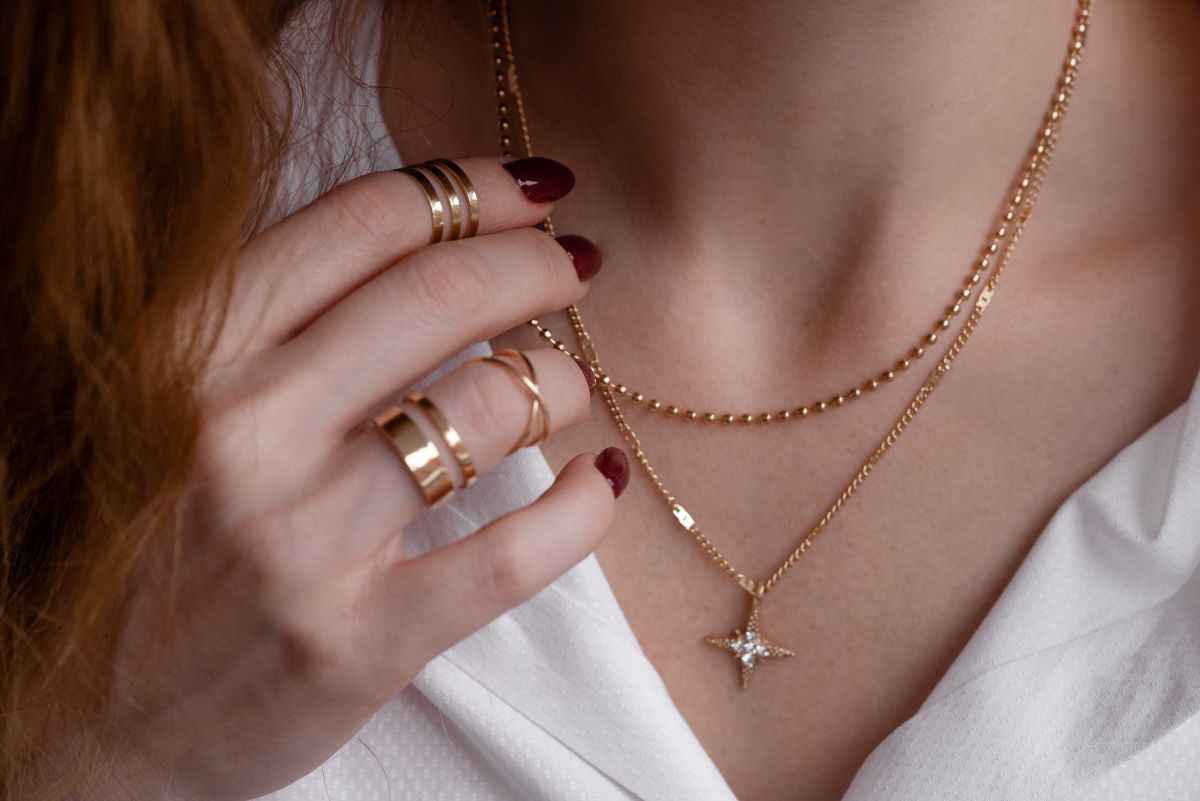
Layering Different Lengths
One of the best ways of layering jewellery and more specifically, necklaces without tangling is to start with your shortest chain as the base. Ideal combinations include 35cm, 40cm, 45cm, and 50cm lengths for a dimensional look. Avoid overcrowding the neckline, instead focusing on balance and breathing space between each chain. This method ensures your necklace layering feels intentional and stylish.
How to Mix Textures
Texture is key when styling layered necklaces for different necklines. Base layers such as fine chains, snake chains, or cable links create a refined foundation. Adding bolder chains or pendants over these provides balance and makes each piece stand out. The harmony between dainty and bold textures ensures that your style in layering jewellery looks polished rather than chaotic.
Playing with Colour
Mixing gold and silver jewellery is no longer a faux pas, it’s one of the best ways to modernise your style. You can stick to one metal for a cohesive look, or combine gold, silver, and rose gold for contrast. Alternating finishes, such as matte and polished, adds further depth.
Statement Pieces
Necklace layering becomes truly personal when incorporating statement pieces. Pendants, initials, or birthstones bring uniqueness and character to the look. Always begin with a base piece that sets the tone, then build around it with simpler chains. This balance ensures your statement jewellery remains the star without overpowering the rest of your layers.
Dos & Don’ts of Layering Necklaces
Dos | Dont’s |
|
|
Stacking Rings
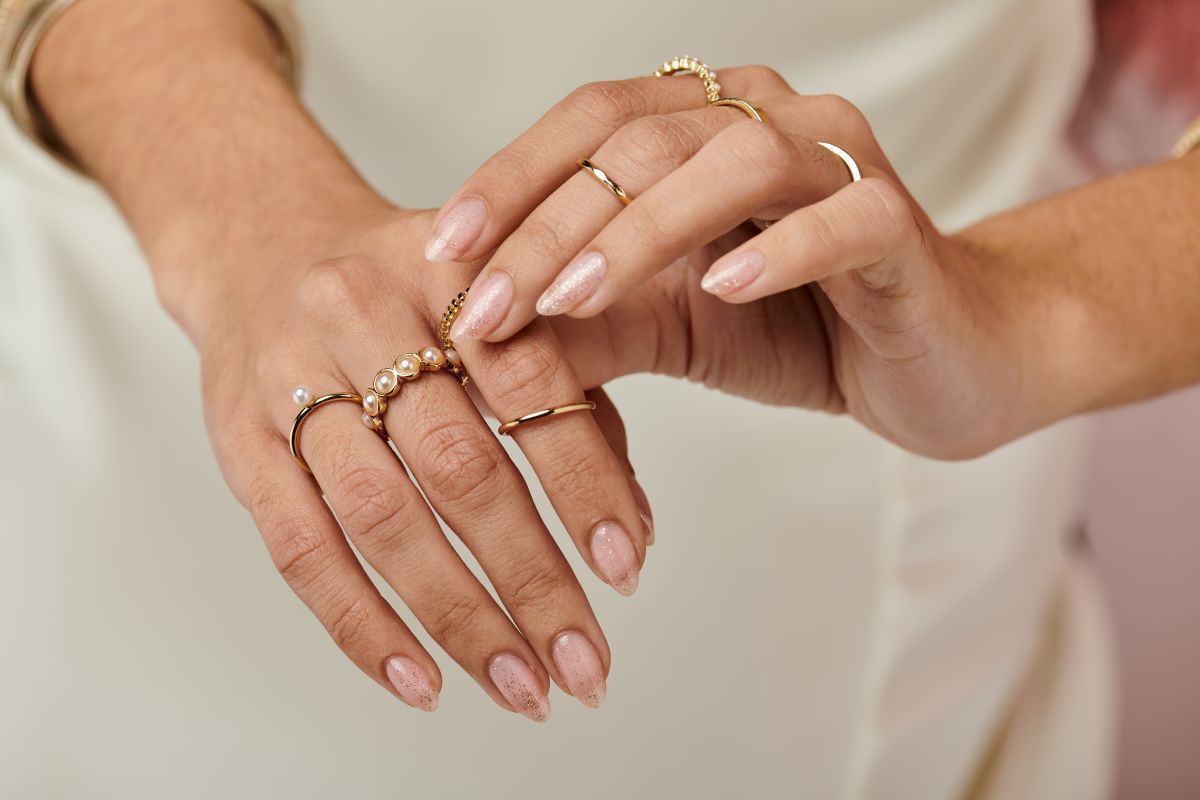
What is Ring Stacking?
Ring stacking is the art of layering multiple rings across one or more fingers to create a coordinated yet stylish look. Each ring contributes to the overall design, from dainty bands to statement pieces. When done correctly, ring stacking expresses individuality and enhances everyday outfits. Mastering this technique ensures your accessories feel balanced and intentional.
The Triangle Stacking Rule
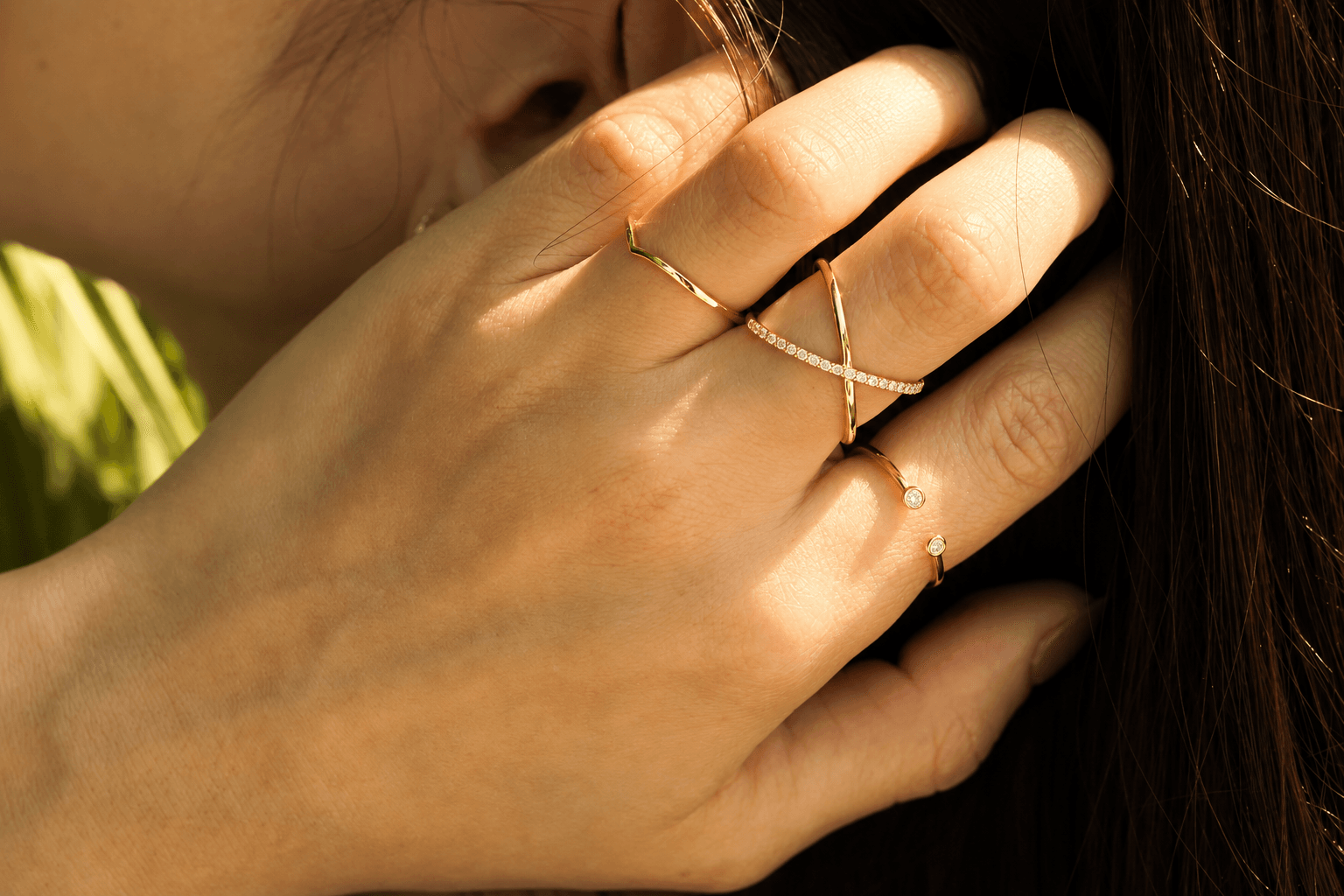
One of the most effective jewellery styling techniques is the triangle rule. Place a taller or bolder ring in the centre and balance it with lower, more delicate bands on either side. Alternatively, alternate high and low stacks across different fingers for symmetry. This approach creates visual interest while maintaining harmony across your hands.
Wedding Ring Stack
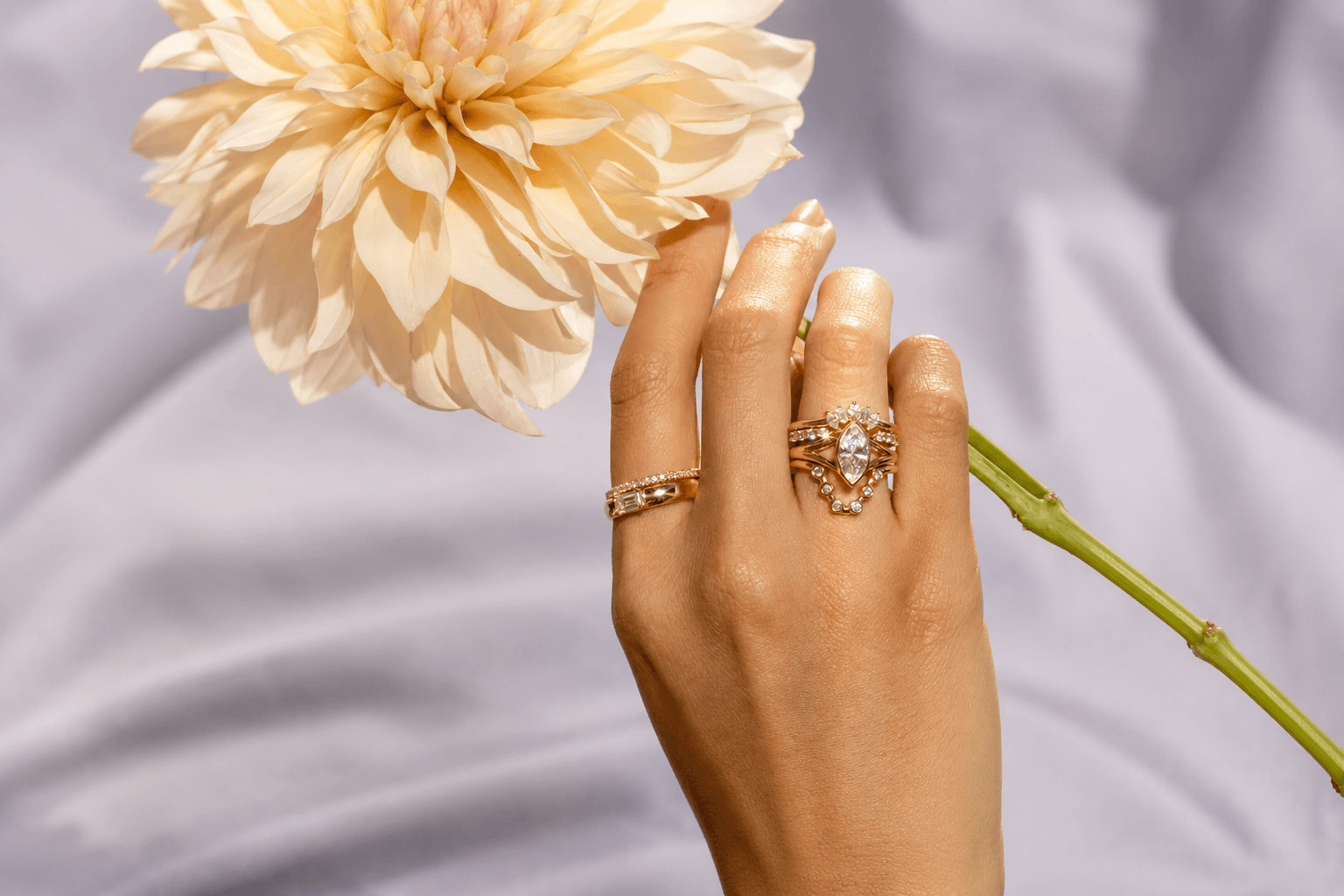
Stacking wedding rings requires a thoughtful approach. Diamond rings, infinity bands, and classic gold wedding bands can be layered beautifully when balanced correctly. The key is to let the engagement ring shine while complementing it with simpler bands. Adding an eternity or pave band can elevate the look without stealing focus.
Dos & Don’ts of Layering Rings
Dos | Don’ts |
|
|
Layering Bracelets
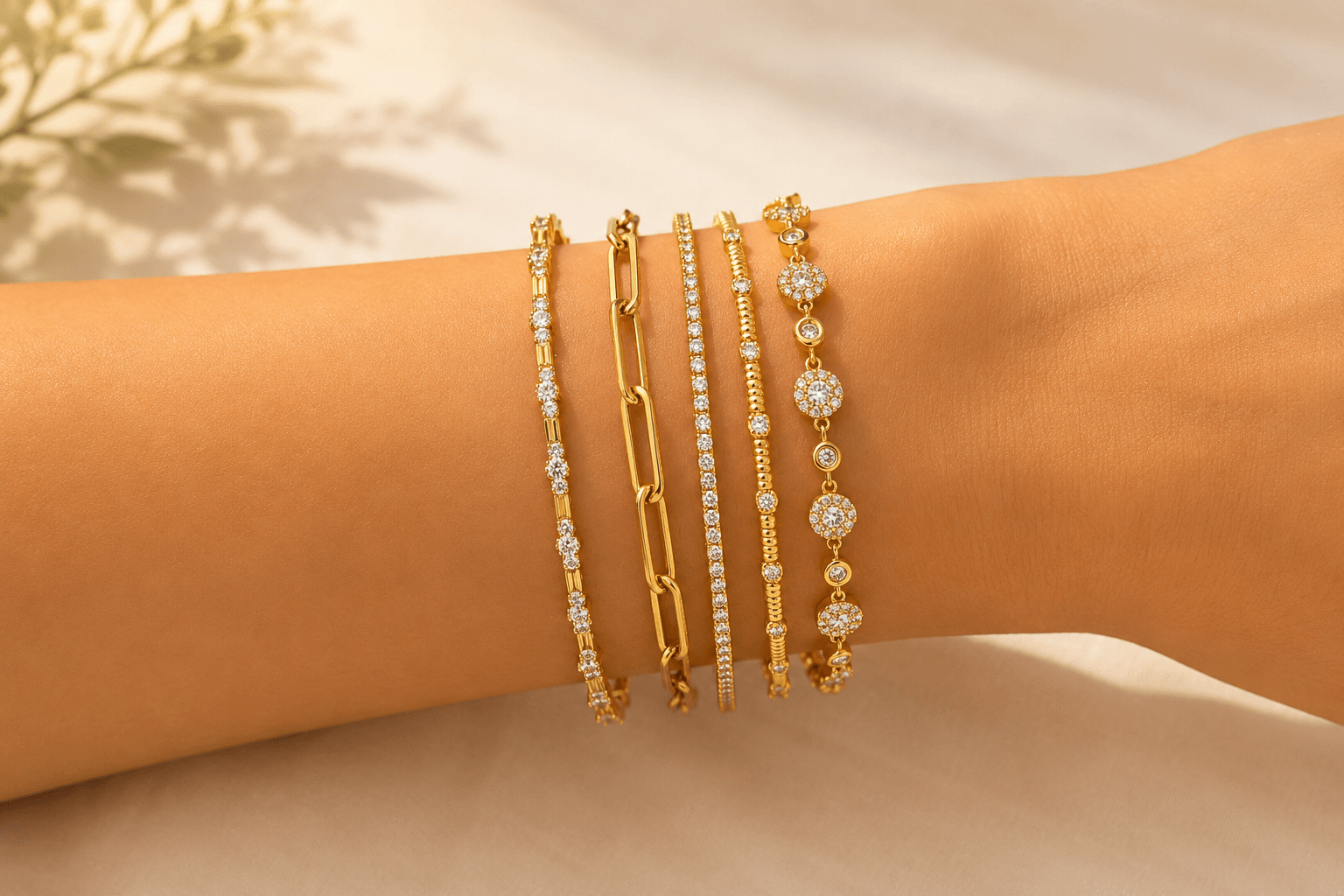
For an everyday look, simplicity is best. One to two delicate bracelets create a chic and minimal vibe, while three to five add texture for occasions or evenings out. Pairing chunky bracelets with finer ones also adds contrast and interest. Jewellery layering should always reflect your personal style, so experiment until you find a look that feels authentic.
Layering with a Watch
A watch can serve as the perfect anchor when layering bracelets. Pairing it with slim bangles or dainty chains enhances your wrist without overwhelming it. The key is balance: choose materials and tones that complement each other and decide on a number that feels comfortable. This combination creates a sophisticated yet stylish accessory statement.
Styling Statement Bracelets
When styling statement bracelets, ensure they remain the centrepiece. If you enjoy wearing stacks, place the statement bracelet on one wrist while keeping the other simpler. This creates balance while still highlighting your boldest accessory. Statement bracelets add personality and elevate your outfit when worn thoughtfully.
Dos & Don’ts of Layering Bracelets
Dos | Don'ts |
|
|
Layering Earrings
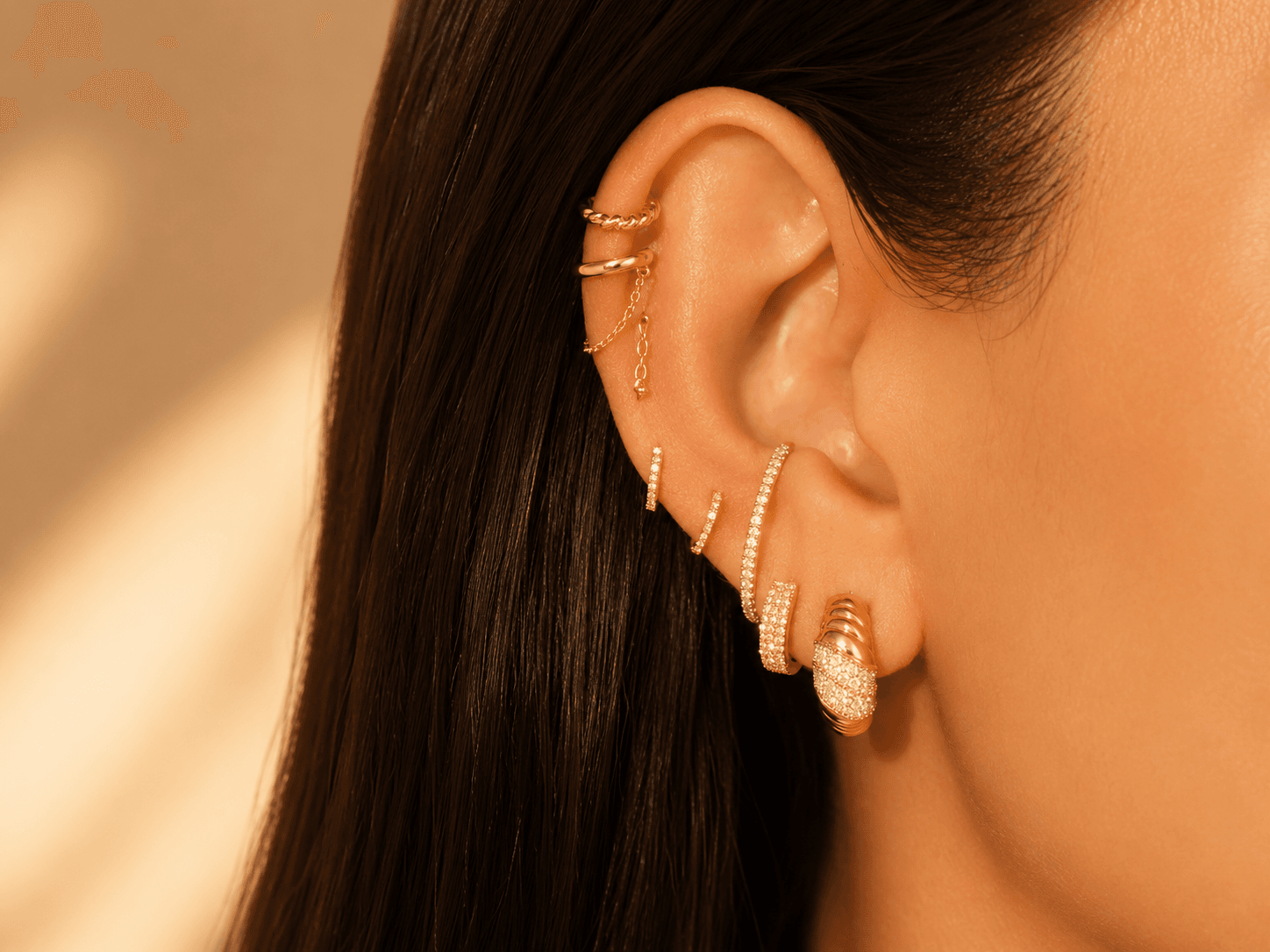
With multiple piercings becoming more common, earring layering is one of today’s most stylish trends. Done well, it creates a polished, fashion-forward look that enhances your overall appearance. The secret is to combine earrings that complement each other without overwhelming the rest of your jewellery.
Dangling earrings stand out when paired with subtle studs in multiple piercings. This layering highlights the drop design without creating an overpowering effect. Avoid wearing a full necklace stack alongside dangly earrings, as this can result in a cluttered appearance. Balance ensures elegance in every combination.
Dos & Don’ts of Layering Earrings
Dos | Don'ts |
|
|
Layering jewellery is an art form that allows creativity, expression, and elegance in everyday styling. By following simple jewellery layering tips—such as balancing textures, mixing metals thoughtfully, and knowing when to add statement pieces—you can create looks that feel effortless and chic. Experiment within these guidelines, and your accessories will always complement rather than compete.