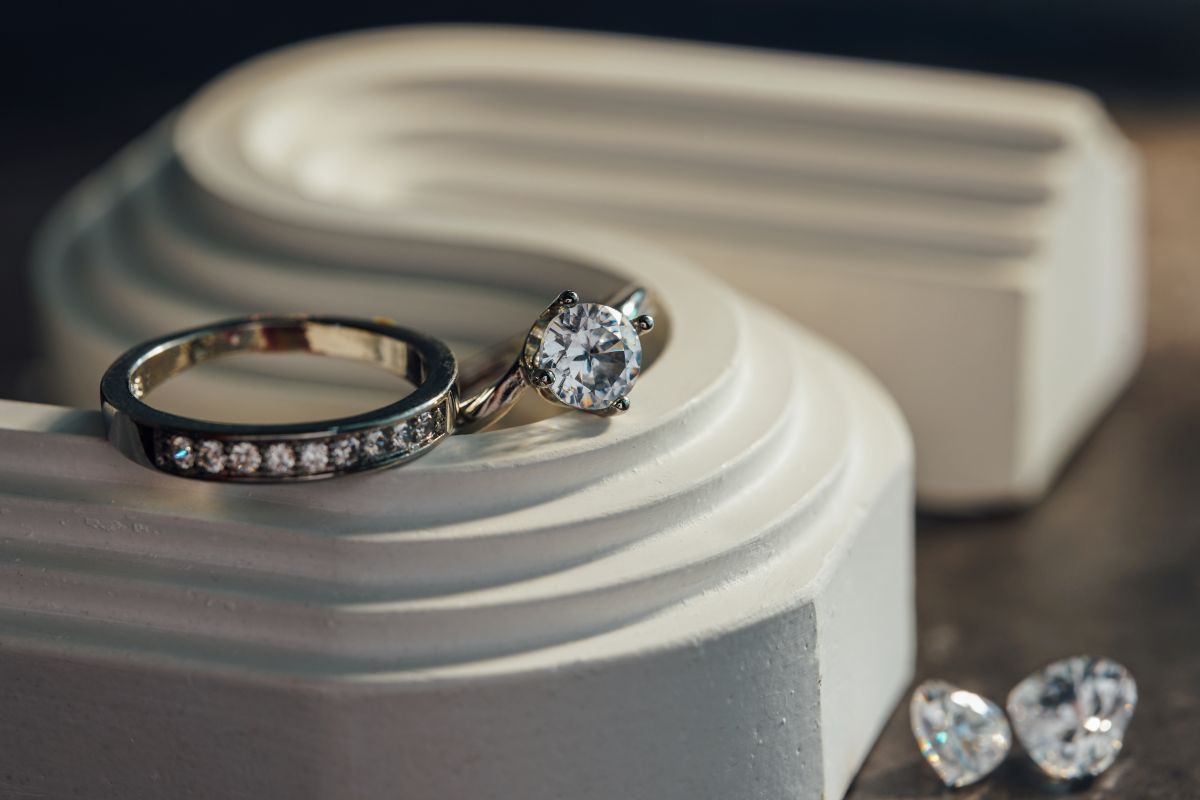
Diamonds have fascinated people for centuries, symbolising love, status, and timeless elegance. Today, buyers face an important choice: natural diamonds or lab grown diamonds. While both sparkle beautifully and share the same chemical structure, their origins and values differ. Understanding the science, advantages, and drawbacks of each option will help you make an informed decision when choosing the diamond that best fits your needs and values. Let's discover which one speaks to your heart and lifestyle.
What Are Natural Diamonds?
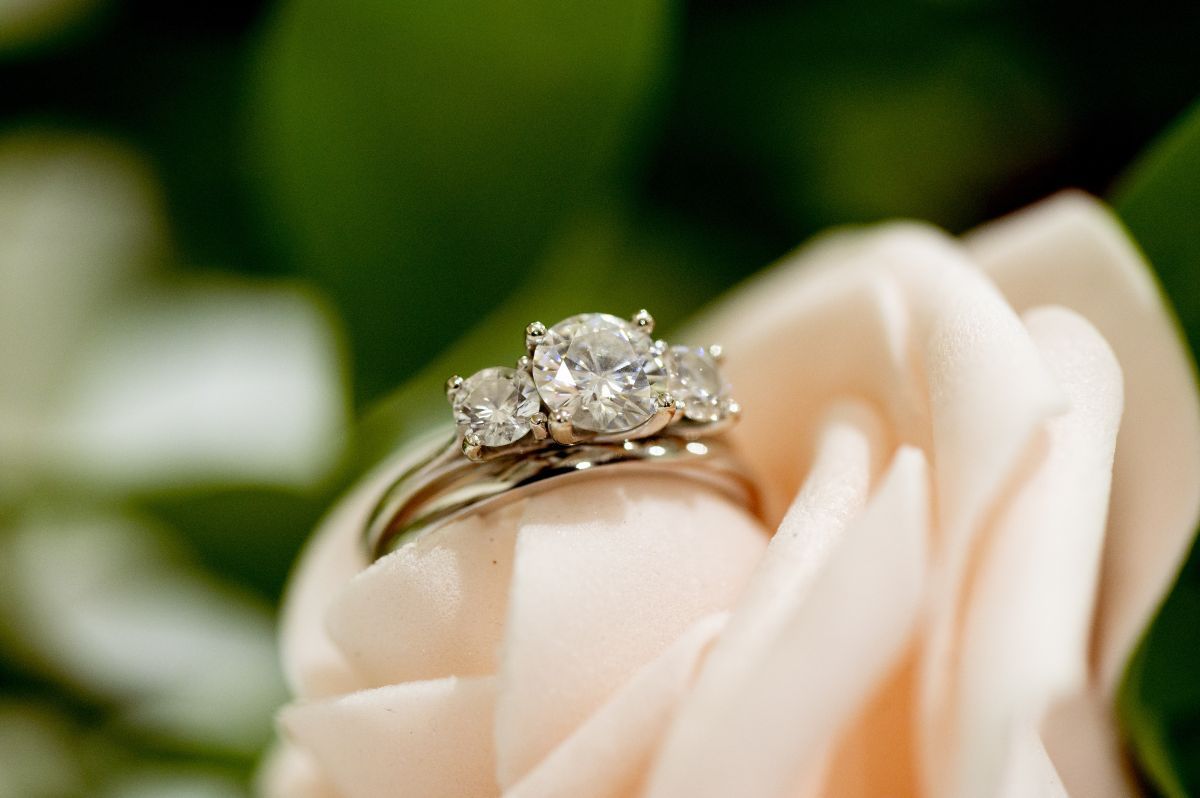
Natural diamonds are formed deep within the Earth’s mantle under extreme heat and pressure, taking billions of years to crystallise. Each precious stone is unique, often carrying tiny inclusions that reflect its natural journey underground. These rare characteristics make mined natural diamonds highly prized for their authenticity and scarcity. Many consider their rarity a key factor in their long-lasting value.
What Are Lab Grown Diamonds?
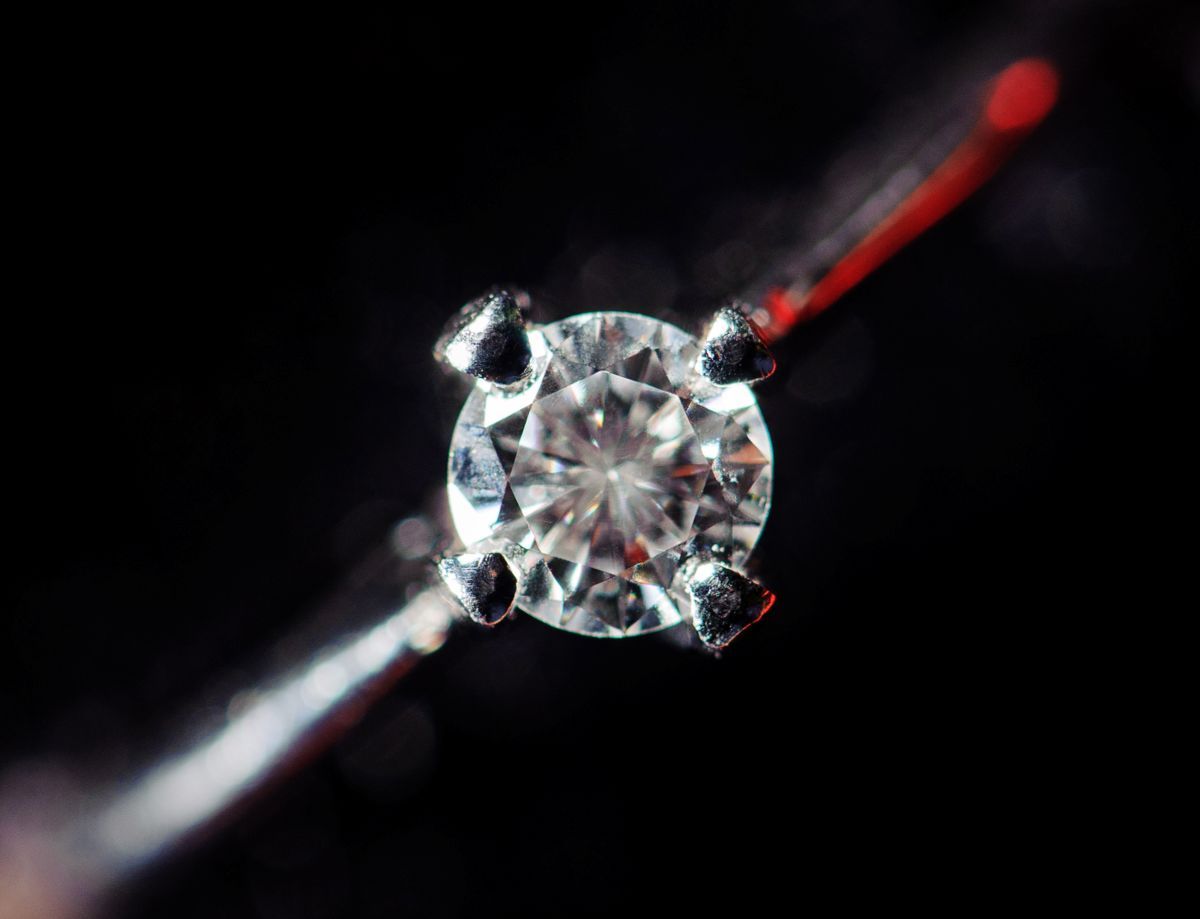
Lab grown diamonds are created in controlled laboratory conditions using advanced methods such as High Pressure High Temperature (HPHT) or Chemical Vapour Deposition (CVD). These techniques replicate the natural formation process, resulting in diamonds with the same physical, optical, and chemical properties as natural ones. To the naked eye, a lab created diamond is indistinguishable from a mined one, offering a more modern alternative without compromising on brilliance.
Key Differences Between Natural and Lab Grown Diamonds
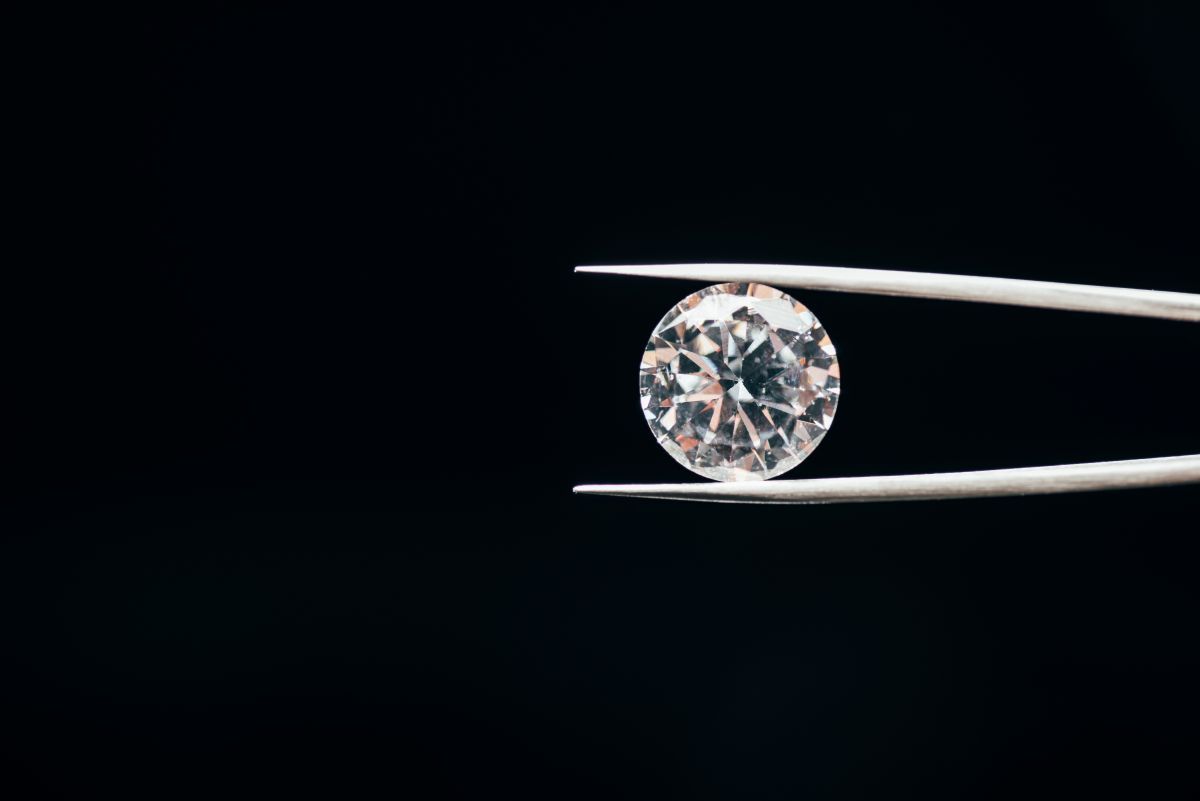
When comparing lab grown diamonds vs natural diamonds, the differences lie not in appearance but in origin, value, and perception. Price is one major factor, lab diamonds usually cost significantly less, making them attractive for budget-conscious buyers. Environmental impact also plays a role, as many consider lab created diamonds a more eco-friendly diamond option compared to mining. However, natural diamonds tend to hold their resale value better due to their rarity.
Another common question is: Can a jeweller tell the difference between lab and natural diamonds? The answer is no; at least not with the naked eye. Even trained gemmologists need specialised equipment, powerful microscopes, and sometimes laser-inscribed markings to detect the minute differences. This proves that both types are equally real and beautiful in their own right.
Premium Jewelry & Accessories

EGP 17,000
L'azurde Gold Round Pearls with Stones Earrings | 18 k
EGP 12,749
L'azurde Instyle Letter Y Colored Stones Gold Necklace
EGP 13,251
L'azurde R Letter Gold Necklace 
EGP 36,600
BTC Round Islamic Design Gold Pendant | 4.35gm
EGP 41,640
BTC Round Islamic Design Gold Pendant | Elegant Roses Bouquet
EGP 27,530
Tissot Ballade Silver Women's Watch
EGP 20,265
Siran by Iram Linglong Gold Necklace
EGP 66,000
BTC King George V Gold One Pound Coin 21k | 8gm
EGP 21,091
Miss L' Stud and Drop Earrings | Classy Roses Bouquet 
EGP 18,320
L'azurde Earrings for Women | Harmony Red Roses Bouquet
Comparison Between Natural Diamonds vs Lab Grown Diamonds
Features | Natural Diamonds | Lab Grown Diamonds |
| Origin | Formed underground over billions of years | Created in labs using HPHT & CVD methods |
| Appearance | Unique inclusions, natural brilliance | Identical in look and sparkle |
| Price | Higher due to rarity | 30–40% less expensive |
| Environmental Impact | Mining impact on ecosystems | Considered more eco-friendly |
| Resale Value | Stronger long-term value | Lower resale value over time |
Which Diamond Should You Choose?
So, which diamond is better, lab or natural? The answer depends on your budget, values, and personal preferences. If you value rarity, heritage, and potential long-term investment, a natural diamond may be your best choice. If affordability, sustainability, and innovation matter more, then lab grown diamonds provide the ideal alternative. Both options carry the same sparkle, symbolism, and durability, ensuring your choice remains meaningful.
Remember, whether natural or lab created, a diamond represents love, commitment, and cherished memories. Explore both options with care and choose the one that feels right for your occasion and your heart.
The debate between natural diamonds and lab grown diamonds highlights how beauty can take different forms. While one reflects the wonders of nature and rarity, the other showcases human innovation and eco-consciousness. Ultimately, both are genuine diamonds with lasting brilliance. By weighing the pros and cons of lab-grown diamonds against those of natural ones, you can confidently select the gem that best aligns with your story.