Welcome to the radiant world of sunflowers, symbols of love, sunshine, loyalty, and nourishment. Read our complete sunflowers guide to uncover their rich history, powerful symbolism, health benefits, and essential sunflower care tips.
What is The Origin of Sunflowers?
Sunflowers, intriguingly, originated in North America, where they were cultivated by Indigenous peoples as early as 3000 BC. Initially, sunflower seeds were primarily consumed as a food source. However, their utility expanded as Indigenous peoples discovered the culinary and nutritional benefits of the oil, using it for cooking and bread-making. Today, sunflowers have a global presence, with cultivation extending beyond North America to regions like Europe, Russia, and Ukraine.
Why Are They called Sunflowers?
Sunflowers, also known as Helianthus, belong to the daisy family Asteraceae and comprise around 70-75 species. The scientific name ‘Helianthus’ derives from the Greek words for ‘sun’ (‘helios’) and ‘flower’ (‘anthus’).
Why Do Sunflowers Follow the Sun?
Before blooming, sunflower buds display a fascinating behavior known as heliotropism, where they gradually turn to follow the sun’s movement from east to west throughout the day. This motion is regulated by plant hormones called auxins and guided by the plant’s internal circadian rhythm, allowing it to anticipate the sunrise. During the night, the sunflowers stems slowly reset, repositioning the flower to face east once again. As the sunflower matures and fully blooms, this movement stops, and the flower remains facing east, helping it warm up more quickly in the morning and attract pollinators more effectively.
Popular Types of Sunflowers
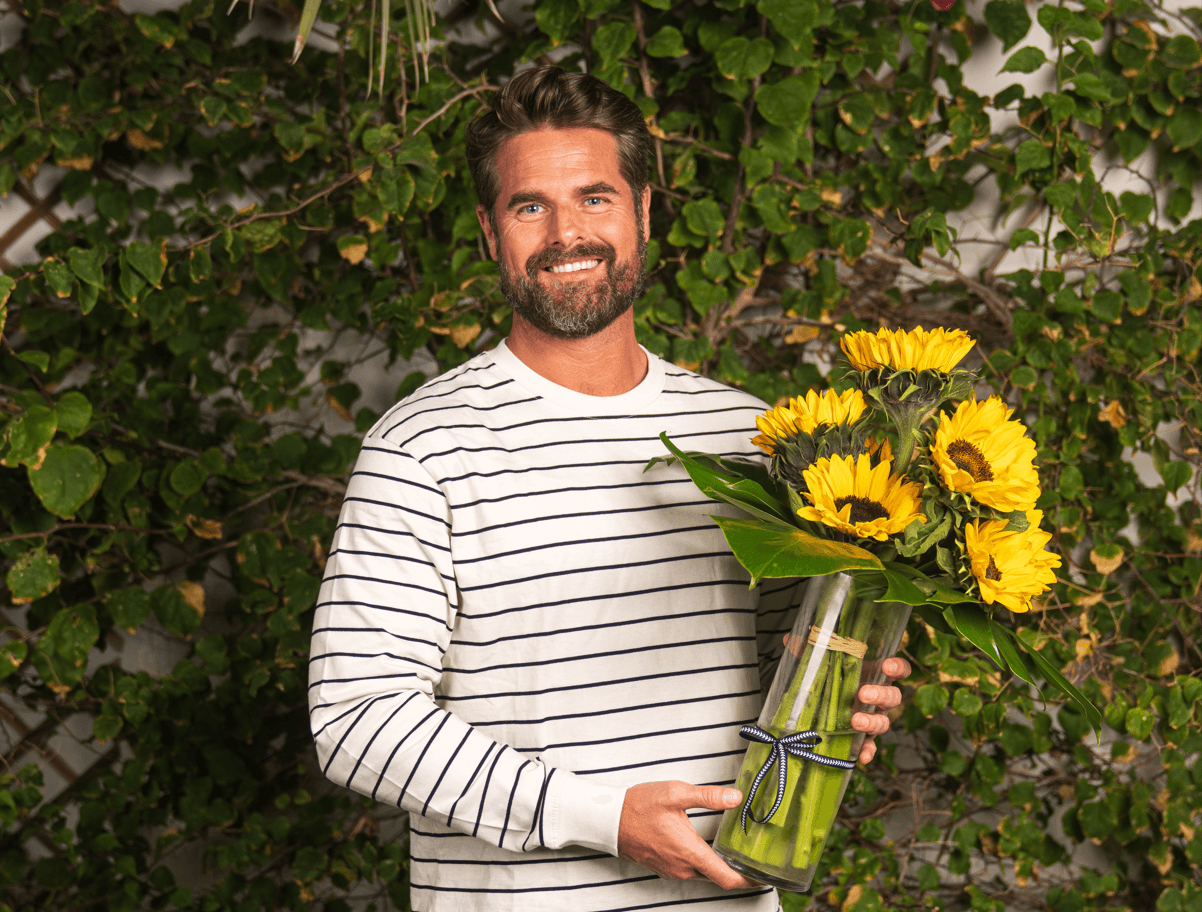
Sunflowers come in a wide variety of shapes and sizes, making them suitable for gardens, bouquets, and decorative arrangements. The most common type of sunflowers is Helianthus annuus, known for its tall stems and large golden blooms.
Dwarf sunflowers are smaller in size, making them perfect for indoor pots and compact spaces.
Pollen-free sunflowers are especially popular in floral arrangements, as they do not shed pollen, making them cleaner and longer-lasting indoors. Multi-branch sunflowers produce several smaller blooms on one stem, creating a fuller and more textured look in bouquets.
There are also sunflowers varieties, including red, orange, and bi-color sunflowers, offering more creative options for gifting and styling.
What Is the Symbolism of Sunflowers?
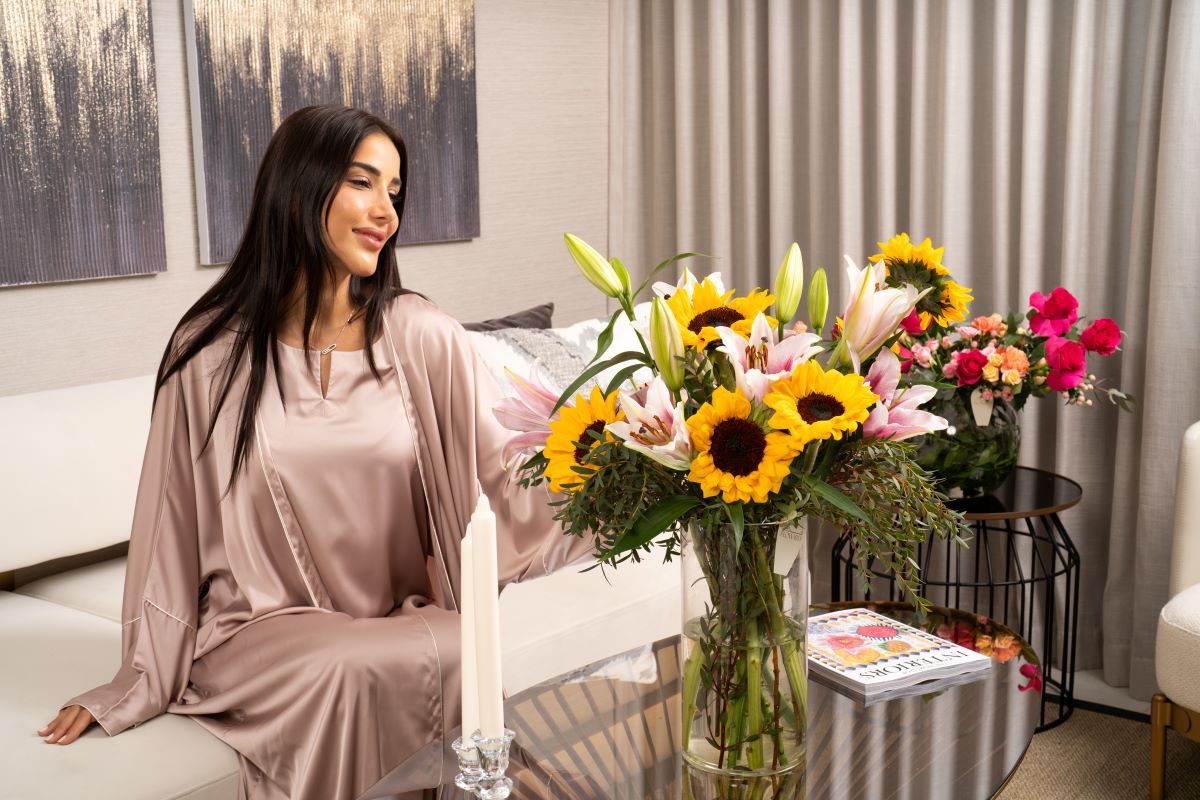
Sunflowers are more than just radiant blooms; they carry deep emotional and cultural meaning across the world. Their natural tendency to turn toward the sun has made them a powerful symbol of loyalty, devotion, and unwavering positivity. In many traditions, sunflower meaning is closely tied to warmth, hope, and the idea of always seeking light, even in challenging moments.
Across cultures, sunflowers take on beautifully layered meanings. In Native American traditions, they symbolize harvest, nourishment, and provision. In Chinese culture, they are associated with good fortune, vitality, and long life. Meanwhile, in European history—especially during the Victorian era—sunflowers represented adoration and lasting happiness, often used to express admiration without words.
Today, sunflowers continue to represent strength, optimism, and genuine connection. Their bold presence and uplifting character make sunflower bouquets especially meaningful for celebrating milestones, offering encouragement, or simply bringing joy into someone’s day.
What Are the Benefits of Sunflowers?
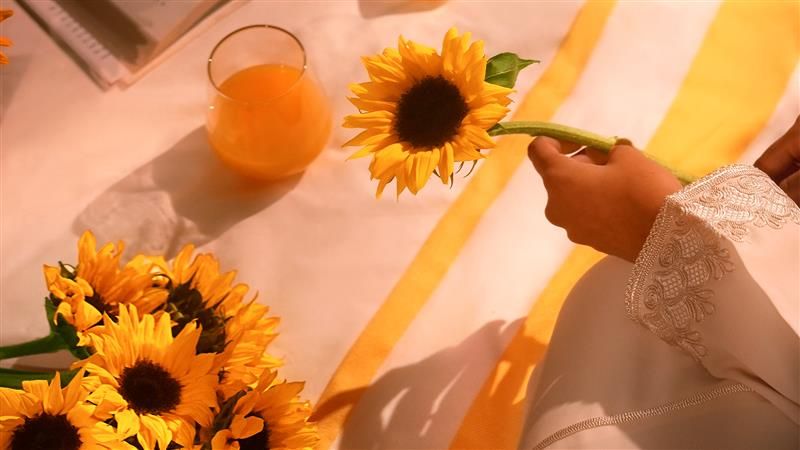
Sunflowers offer more than just visual beauty; they are also valued for their impressive nutritional benefits. Sunflower seeds are rich in vitamin E, a powerful antioxidant that supports skin health and helps protect cells from damage. They also contain healthy fats, particularly linoleic acid, which contributes to heart health, along with essential minerals like magnesium and selenium. Sunflower oil is widely used in cooking due to its light texture and nutritional value. In gardens, sunflowers play an important ecological role by attracting pollinators such as bees and butterflies, helping to support a balanced and thriving environment.
What Are the Best Occasions to Gift Sunflowers?

With their bright and uplifting presence, sunflowers are a meaningful gift choice for a variety of occasions. Their symbolism of happiness, loyalty, and positivity makes them suitable for both joyful celebrations and heartfelt moments. Here are some of the best occasions to gift sunflowers:
- Birthdays: A sunflower bouquet is a cheerful way to celebrate someone’s special day and add warmth to their celebration.
- Graduations: Symbolizing success and a bright future, sunflowers make a thoughtful gift to mark new beginnings.
- Anniversaries: Representing loyalty and lasting happiness, they are perfect for celebrating enduring relationships.
- Get Well Soon: Their vibrant appearance can help lift spirits and bring comfort during recovery.
- Thank You Gestures: Sunflowers express appreciation and gratitude in a warm, genuine way.
- New Beginnings: Ideal for housewarmings or new jobs, as they symbolize positivity and fresh starts.
How Long Do Sunflowers Last?
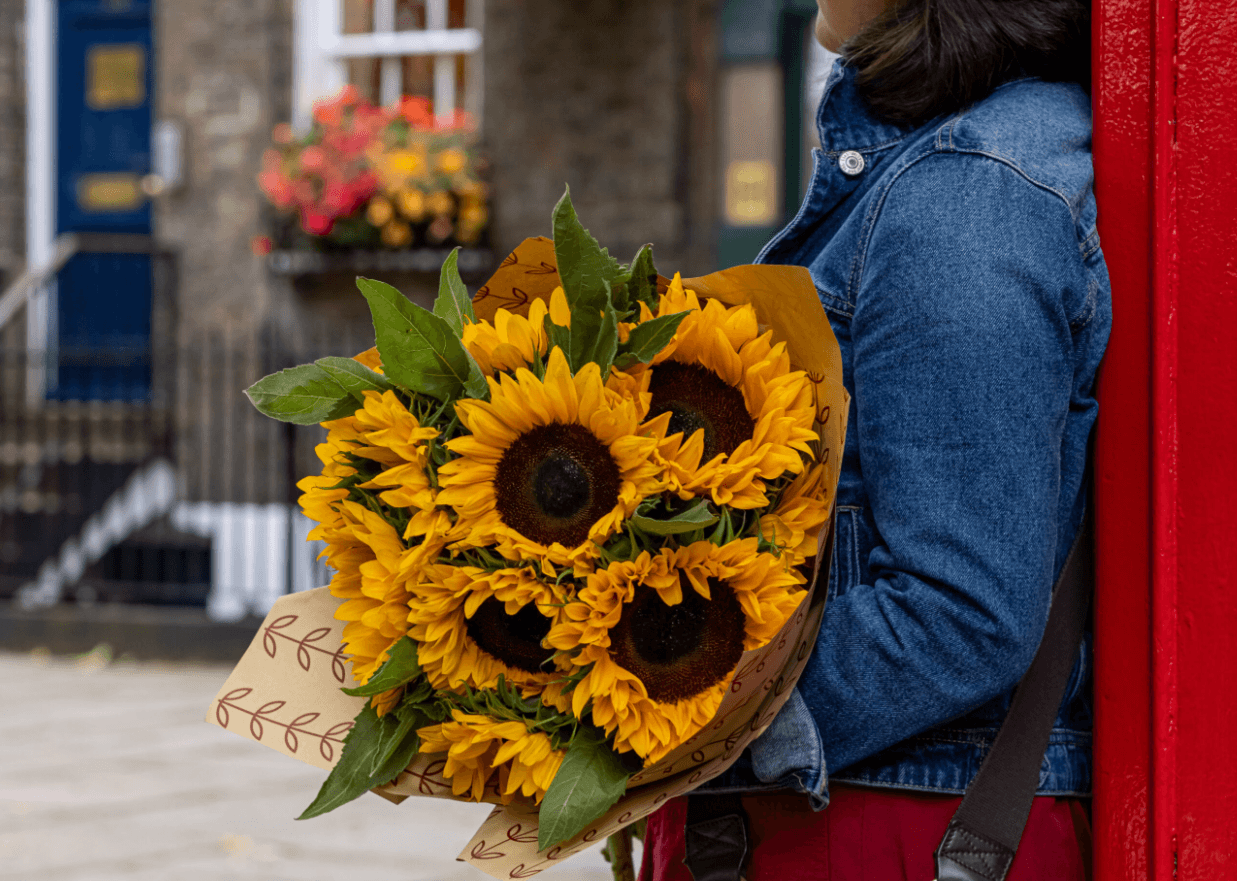
Fresh-cut sunflowers typically last between 6 to 12 days when properly cared for in a vase. Their lifespan depends on factors such as water quality, temperature, and how fresh the flowers are at the time of purchase.
How to Care for Sunflowers in a Vase
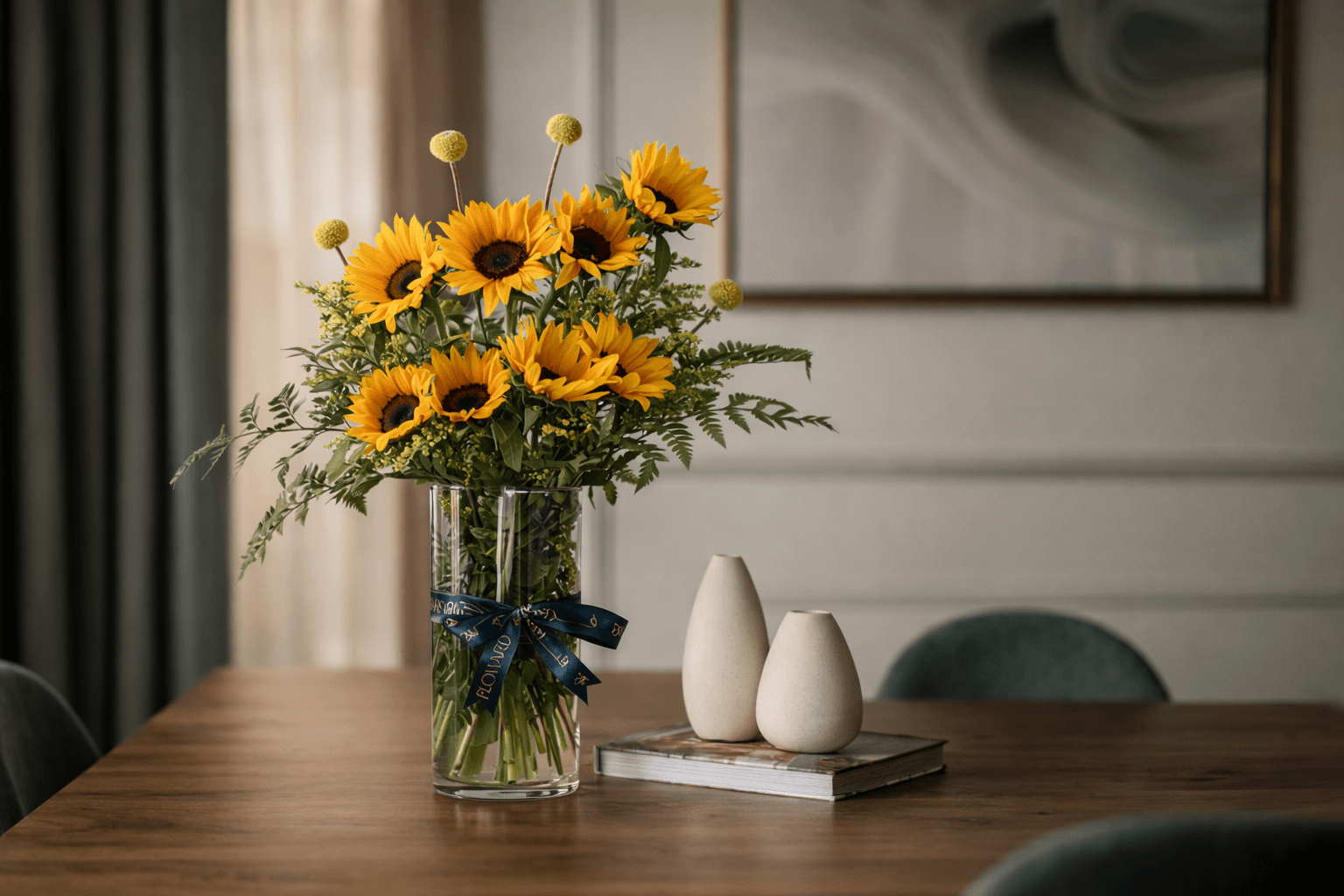
Caring for sunflowers in a vase is simple, yet it can make a significant difference in how long they stay fresh and vibrant. Follow these easy care tips to keep your sunflowers fresh:
- Place the sunflower bouquet in a clean vase filled with fresh water.
- Trim the stems at an angle before placing them in the vase.
- Remove any leaves that will be submerged in the water.
- Keep the bouquet away from direct sunlight and heat sources.
- Change the water every two days and recut the stems.
- Add flower food or a homemade solution of sugar and vinegar to the water. This helps nourish the flowers while preventing bacterial growth.
- Avoid misting the petals with water daily, as excess moisture may reduce their vase life.
- Promptly remove any wilted or dead flowers or leaves from the vase.
Sunflowers carry a rare balance of beauty and meaning, bringing light into every space they touch. Their presence feels warm, uplifting, and quietly powerful, making them a thoughtful choice for meaningful gifts.