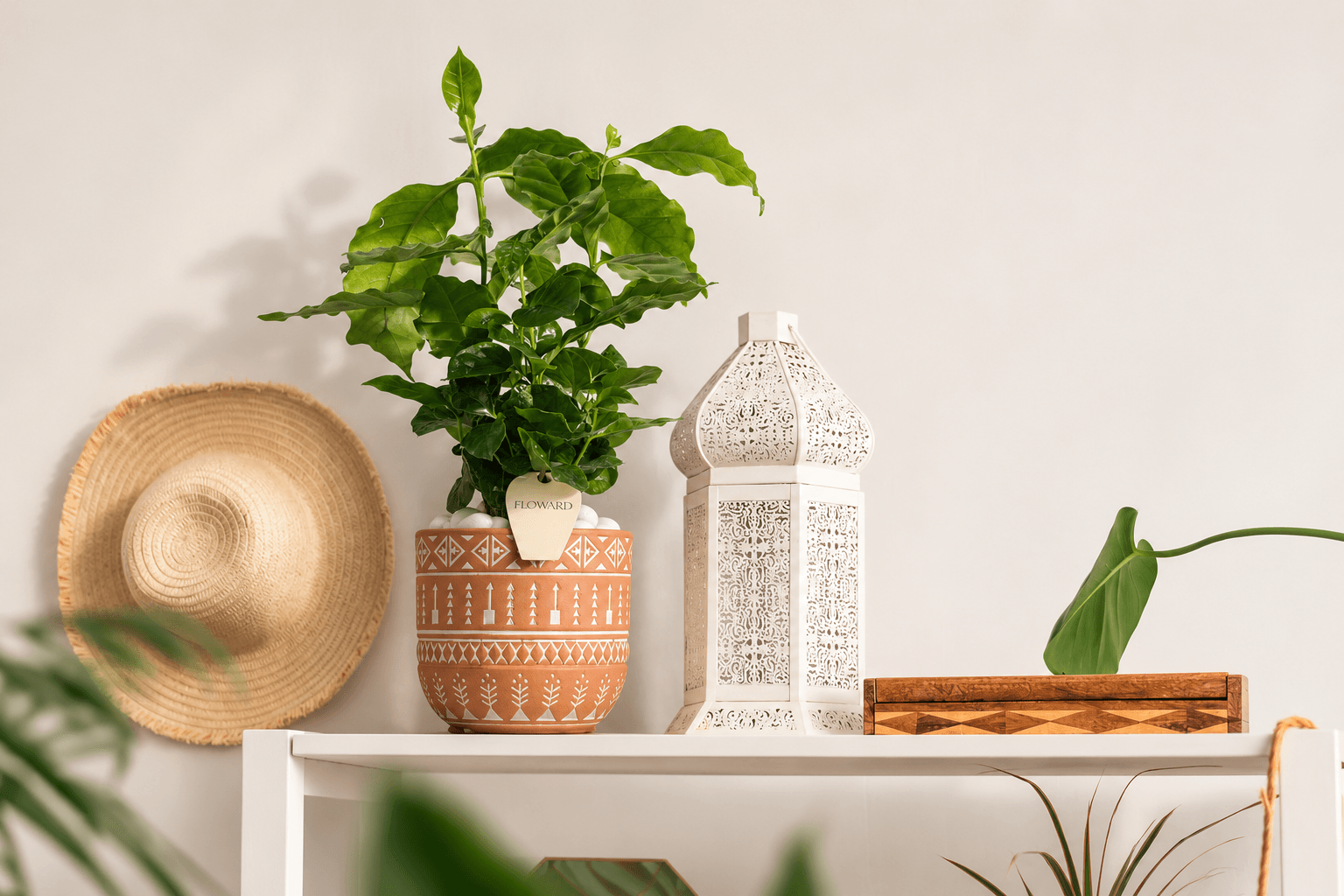
A ZZ plant, also known as a Zamioculcas plant, brings glossy green leaves to your home without asking for constant attention. If you are new to caring for plants, it gives you room to learn without feeling that every missed watering is a disaster. The essentials of ZZ plant care are simple: provide indirect light, let the soil dry between waterings, and choose a pot that drains freely. Once you understand those needs, looking after it becomes a comfortable routine.
What Is a ZZ Plant?
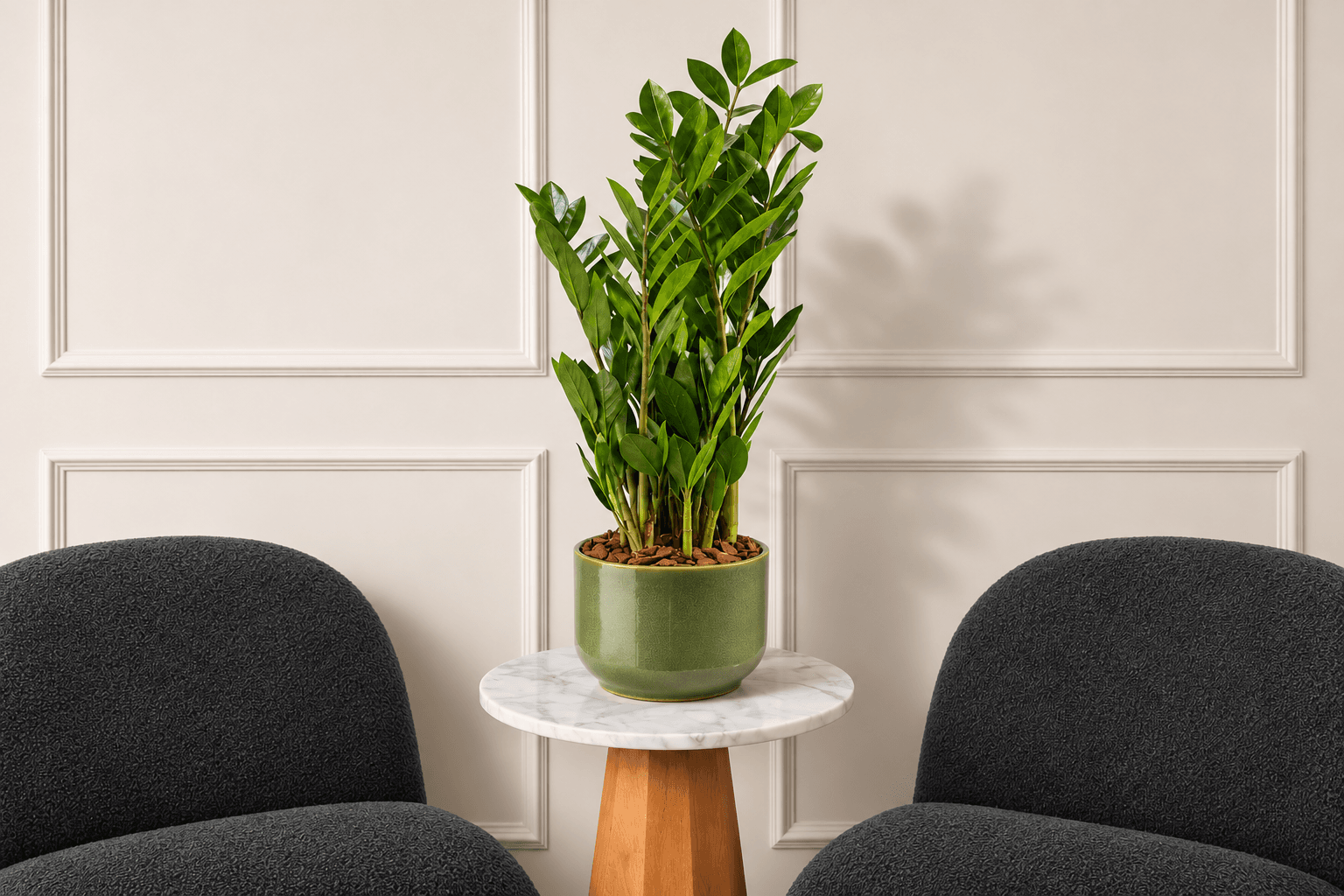
The Zamioculcas plant, scientifically known as Zamioculcas zamiifolia and commonly called the ZZ plant, is a tropical foliage plant native to eastern Africa. Its upright leaves carry glossy leaflets, while thick underground structures called rhizomes store water. Think of these as small reserves that help the plant cope when moisture becomes scarce. This explains its drought tolerance and why constantly wet soil can cause more trouble than an occasional late watering.
Is a ZZ Plant Good for Beginners?
A ZZ plant is a good choice for beginners because it tolerates dry periods and lower light levels better than many houseplants. It also grows slowly, so you do not need to keep up with frequent pruning or repotting. However, its resilience can make it tempting to leave it in an unsuitable spot indefinitely. Give yours a reasonably bright location and thoughtful watering, and you will support healthier growth over time.
Style Your Space with Elegant Plants

JOD 171
Lush Dracaena Fragrans Dorado Plant
JOD 80
Unique Green Large Zamioculcas Plant
JOD 52
Spiky Draceana Marginata Plant
JOD 69
Classy Green Zamia Plant
JOD 49
Stunning Small Chamaedorea Plant
JOD 80
Shiny Light Calathea Orbifolia Plant
JOD 48
Emerald Harmony Bonsai Plant Vase
JOD 60
Yellow Orchid Plant Pot
ZZ Plant Care at a Glance
| Care need | What to provide |
| Light: | Bright, indirect light; lower light is tolerated |
| Water: | Allow the potting mix to dry between waterings |
| Soil: | A loose, well-draining potting mix |
| Pot: | Drainage holes and room for water to escape |
| Temperature: | Warm indoor conditions, away from cold drafts |
| Humidity: | Ordinary household humidity; routine misting is unnecessary |
| Fertilizer: | Light feeding during active growth |
How Often Should You Water a ZZ Plant?
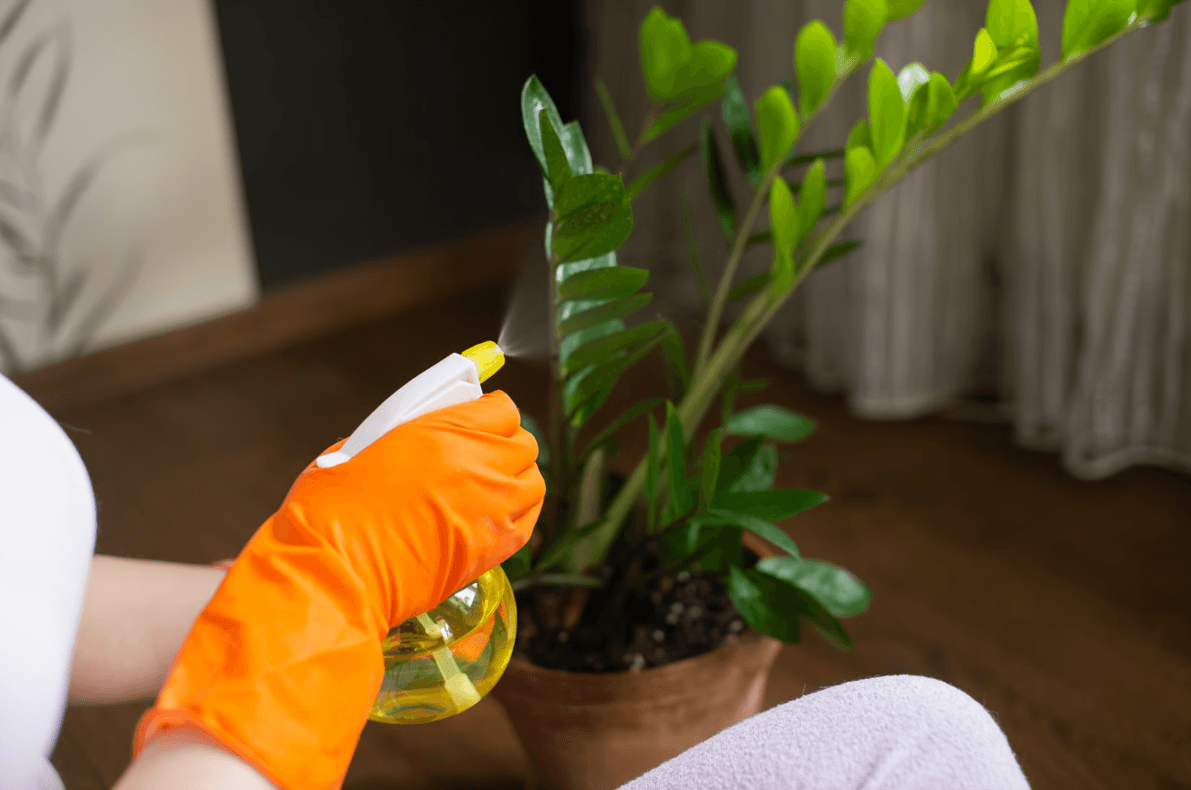
Water your ZZ plant when the potting mix has dried, rather than following a fixed weekly schedule. Check below the surface, since the top can feel dry while moisture remains farther down. The time between waterings changes with light, temperature, pot size, and the mix itself.
When the plant is ready, water thoroughly, let excess water drain away, and empty the saucer so the roots do not remain wet. In a dim room, your plant may need water less often than one beside a bright window. Check the soil rather than assuming that hot weather outdoors means an indoor plant needs more water. Its growing conditions inside your home are what matter. If the mix still feels damp, wait and check again instead of adding a little water “just in case.”
How Much Light Does a ZZ Plant Need?
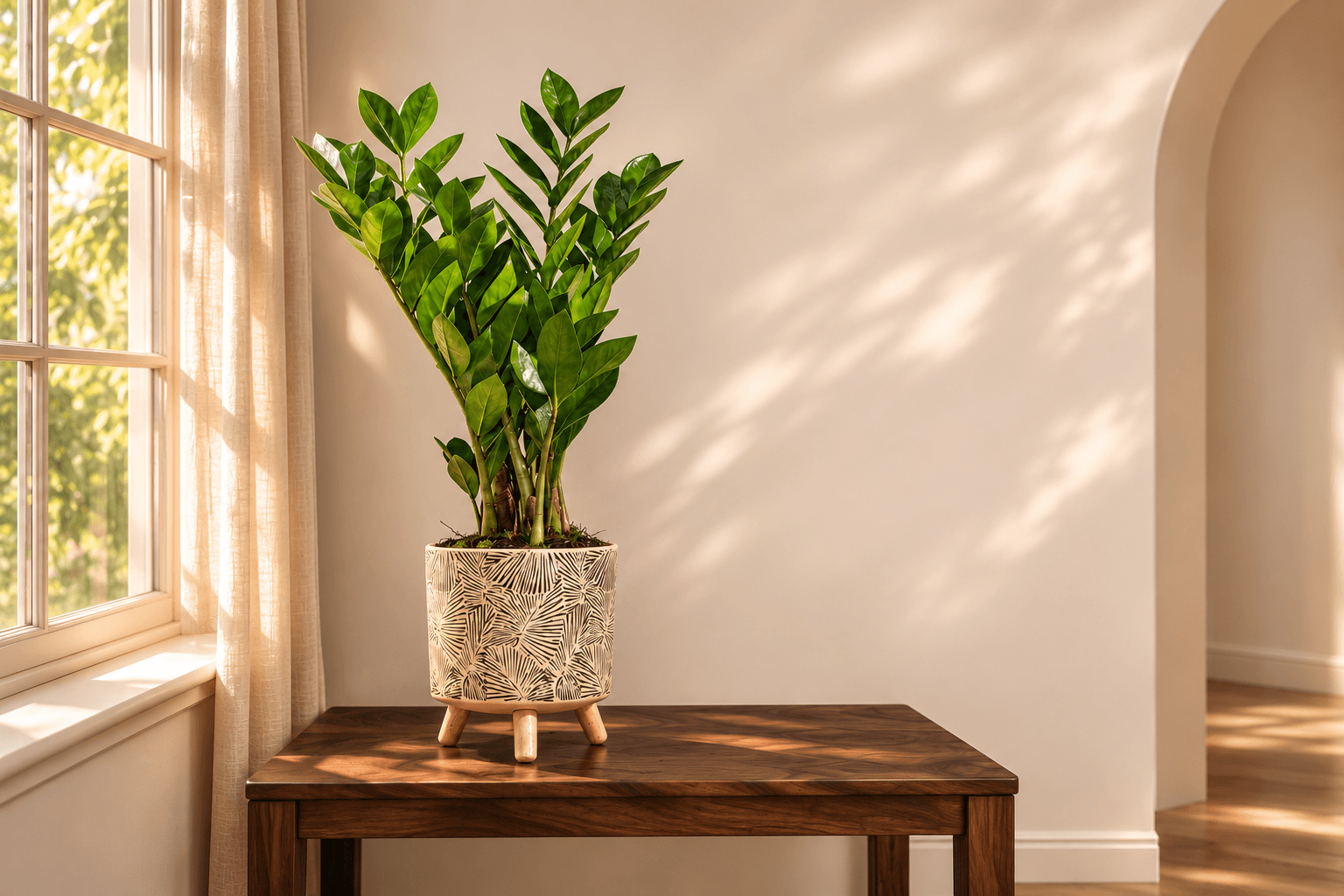
A ZZ plant grows best in bright, indirect light, although it can tolerate lower light levels. A spot near a bright window, protected from strong direct sun, is a useful starting point. Watch for harsh afternoon rays falling directly across the leaves, particularly beside exposed windows.
Too much direct sunlight can cause pale, scorched, or brown patches, so move the plant into gentler light if these appear.
Low-light tolerance does not mean your ZZ plant can thrive indefinitely in darkness. In a poorly lit corner, growth becomes slower, and the plant may eventually decline. If yours produces little new growth, consider whether it needs a brighter position before reaching for fertilizer. A room without natural light needs suitable artificial lighting to support a living plant over time.
What Soil and Pot Does a Zamioculcas Plant Need?
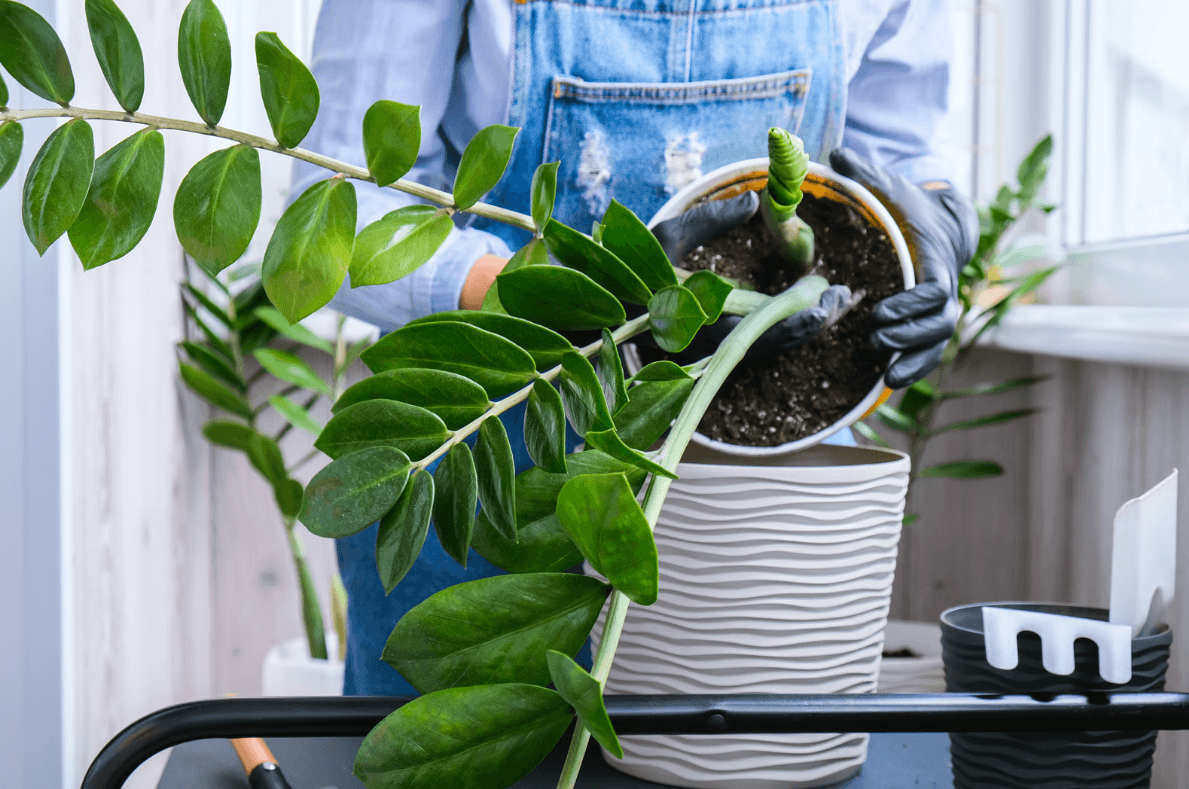
A ZZ plant needs a potting mix that drains well and allows excess moisture to escape. A loose, peat- or bark-based houseplant mix can work well, provided it does not stay persistently soggy. Choose an inner pot with drainage holes, even if you place it inside a decorative cover. After watering, check the outer container and empty any collected water before putting the plant back in place.
How Do You Keep a ZZ Plant Growing Well?
Keep your Zamioculcas plant in a comfortably warm room, away from cold drafts and direct air-conditioning vents. Ordinary indoor humidity is usually suitable, so you do not need to mist its leaves as part of your routine.
Feed lightly during active growth, following the fertilizer label and avoiding the temptation to encourage faster growth with extra doses.
Style Your Space with Elegant Plants
JOD 171
Lush Dracaena Fragrans Dorado PlantJOD 80
Unique Green Large Zamioculcas PlantJOD 52
Spiky Draceana Marginata PlantJOD 69
Classy Green Zamia PlantJOD 49
Stunning Small Chamaedorea PlantJOD 80
Shiny Light Calathea Orbifolia PlantJOD 48
Emerald Harmony Bonsai Plant VaseJOD 60
Yellow Orchid Plant Pot
Why Are My ZZ Plant’s Leaves Turning Yellow?
Yellow ZZ plant leaves can have several causes, including excess water, insufficient light, and natural aging. Start by checking the soil and drainage rather than assuming the plant needs another drink. Several yellowing leaves alongside persistently wet soil deserve more attention than one aging lower leaf. Use the surrounding signs to guide your next step, since the same leaf color can point to different problems:
| What you notice | What to check | Your next step |
| Yellow leaves and wet soil: | Frequent watering or trapped drainage water | Let the mix dry and correct drainage |
| Soft, rotting bases: | Possible rhizome rot | Inspect the plant and seek advice if decay is extensive |
| Pale or brown patches: | Strong direct sunlight | Move into bright, indirect light |
| Very slow growth: | Low light or the plant’s naturally slow pace | Improve light if needed; avoid extra watering |
| One older leaf yellowing: | Natural aging, alongside other possible causes | Observe the rest of the plant before changing care |
Is a ZZ Plant Safe Around Pets and Children?
A ZZ plant should be kept out of reach of pets and young children because it is poisonous if ingested. Consider placement before bringing one home, especially if your cat chews leaves or your child explores plants by touch and taste. Choose a secure location where fallen plant material can also be cleared easily. Its easy-care reputation describes its growing needs, so household suitability deserves a separate thought.
Caring for your Zamioculcas plant becomes easier when you pay attention to its surroundings and soil. Give it gentle light, check before watering, and allow yourself time to recognize its slow, steady rhythm. Its glossy greenery also makes it a thoughtful choice when you are looking for elegant gifts for someone who enjoys bringing nature indoors. Whether you keep one yourself or give it to someone special, these simple habits can help it settle into its new home.