After a full day at school, sitting down for homework can feel like another big task, especially when children do not have a clear place to focus. Creating a dedicated homework corner gives them a familiar space where schoolwork becomes part of a predictable after-school routine. The best study corners do not require a separate room or an elaborate setup. A thoughtfully arranged desk, comfortable chair, and organized supplies can turn even a small corner into a practical homework space for kids.
Elegant Home Décor Gifts

JOD 315
Nespresso Vertuo Yellow Machine with Milk Frother and Capsules Dispenser Set
JOD 170
Diptyque Baies Large Candle | 600 g
JOD 59
Diptyque Cafe Classic Candle | 190 g
JOD 55
Dimlaj Charm Glass Cawa Cup Set
JOD 75
Dimlaj Gold Charm Glass Stemware Set
JOD 70
Dimlaj Kareem Tea Glass Set
JOD 38
Dimlaj Cancer Zodiac Gift Set
JOD 38
Dimlaj Virgo Zodiac Gift Set
JOD 50
Dimlaj Darza Glass Vase
JOD 11
Floward Elegant Printed Ceramic Vase with Legs
1. Choose a Quiet Spot with Good Lighting
Where should you put your child's study desk? Location can make a noticeable difference in how easily children settle into their work. When you consider creating a study corner, look for a relatively quiet area away from television noise, busy walkways, and other distractions, while still keeping younger children within easy reach of an adult. Natural daylight is ideal when available, but a well-positioned desk lamp can provide comfortable lighting later in the day. A bedroom corner, hallway nook, or section of the living area can all become an effective study space for kids.
2. Pick a Comfortable Desk and Chair
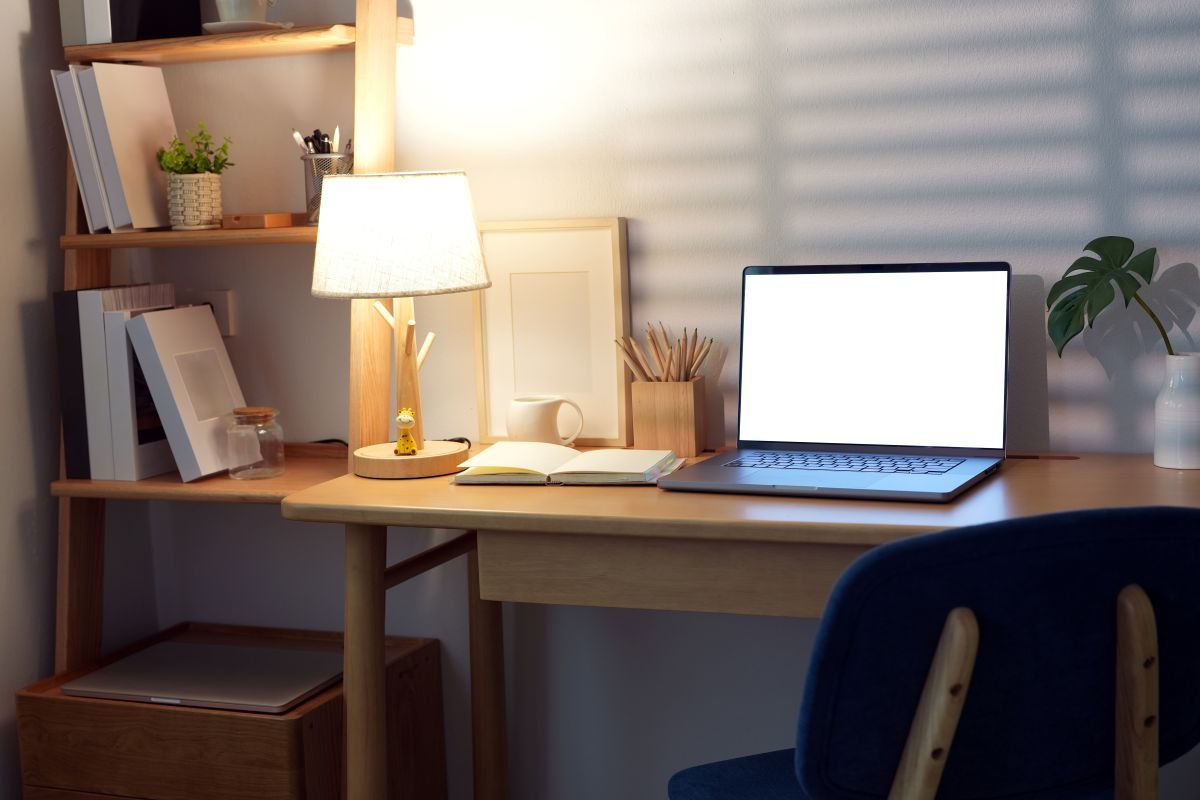
A good study corner should help your child sit comfortably without making the setup feel overly formal. Choose a desk with enough surface area for notebooks, textbooks, and a laptop, while making sure the chair provides proper support and allows their feet to rest comfortably. Among the most practical study corner ideas is choosing furniture that suits your child's current height rather than simply buying an adult-sized desk. Adjustable furniture can also help the homework corner remain useful as your child grows.
3. Keep School Supplies Within Easy Reach
Constantly getting up to search for a pencil, ruler, or notebook can quickly break concentration, so everyday school supplies should have a clear home near the desk. Effective study desk organization can be as simple as using pencil cups, small drawers, folders, or labeled containers for stationery and school papers. Keep frequently used materials within easy reach and store less-used supplies separately to prevent the desk from becoming crowded. These simple study corner ideas make it easier for children to begin their work without unnecessary interruptions.
4. Remove Distractions and Control Clutter
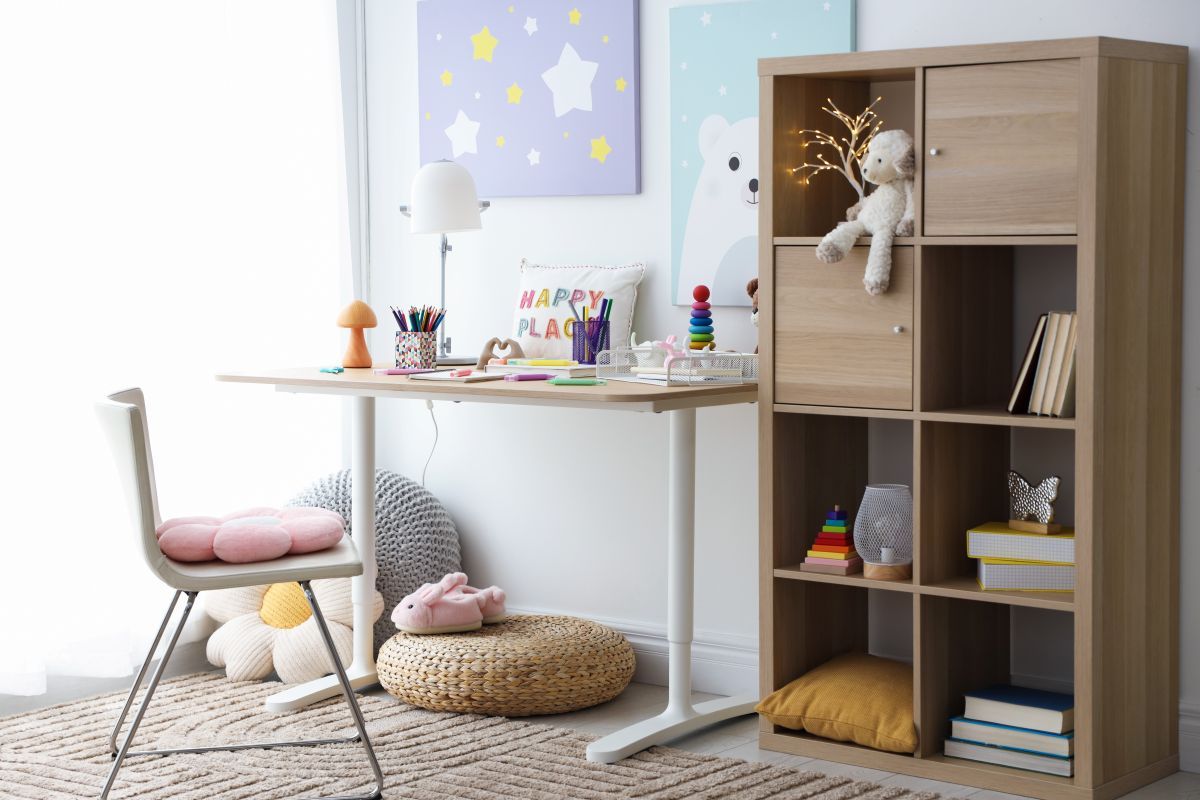
A child's study area does not need to be completely empty, but it should make concentrating easier rather than competing for attention. Keep toys, gaming devices, and unrelated screens away from the desk whenever possible, and close unnecessary tabs or notifications when a computer is needed for schoolwork. Good study corner ideas also consider visual clutter, since piles of papers and too many objects can make a small desk feel chaotic. Regular organizing of the study corner helps maintain a calmer, more functional environment throughout the school week.
5. Entice them to Sit Down
Practicality matters, but a homework corner should still feel like a space that belongs to your child. Let them choose a few personal details, such as a favorite pencil holder, small plant, family photo, colorful organizer, artwork, or simple weekly planner. The most inviting kids study room ideas balance personality with simplicity, leaving enough clear desk space for actual schoolwork. Personal touches can make the area feel welcoming without turning it into another source of distraction.
Elegant Home Décor Gifts
JOD 315
Nespresso Vertuo Yellow Machine with Milk Frother and Capsules Dispenser SetJOD 170
Diptyque Baies Large Candle | 600 gJOD 59
Diptyque Cafe Classic Candle | 190 gJOD 55
Dimlaj Charm Glass Cawa Cup SetJOD 75
Dimlaj Gold Charm Glass Stemware SetJOD 70
Dimlaj Kareem Tea Glass SetJOD 38
Dimlaj Cancer Zodiac Gift SetJOD 38
Dimlaj Virgo Zodiac Gift SetJOD 50
Dimlaj Darza Glass VaseJOD 11
Floward Elegant Printed Ceramic Vase with Legs
The most effective study corner ideas are usually the simplest ones: a comfortable place to sit, enough light, accessible supplies, limited distractions, and a little personality. Keeping the area organized also makes it easier for children to settle into their after-school routine instead of wasting time searching for what they need. As their schoolwork and interests change, the setup can change with them. A well-planned homework corner ultimately gives children a dependable space where focusing feels a little more natural.