Every year, chocolate lovers around the world look forward to World Chocolate Day, a celebration dedicated to one of the world's most beloved treats. Observed on July 7, the occasion is an opportunity to appreciate chocolate's rich history, remarkable journey across continents, and enduring place in cultures around the globe. Whether you enjoy a simple chocolate bar, handcrafted pralines, or decadent desserts, World Chocolate Day is a reminder of how one ingredient has connected people for centuries.
Beyond its delicious taste, chocolate tells a fascinating story that begins with ancient civilizations and continues through modern celebrations, culinary traditions, and artisan craftsmanship. In this guide, you'll discover the history of World Chocolate Day, why it is celebrated, the different types of chocolate, how various countries embrace the occasion, and interesting facts that make chocolate even more remarkable.
What Is World Chocolate Day?
World Chocolate Day is an annual celebration held on July 7 to recognize chocolate's cultural, historical, and culinary importance. The day encourages people to enjoy their favorite chocolate treats while learning more about cocoa's origins and the traditions that have shaped chocolate into the global favorite it is today.
Although the celebration is observed in many countries, the ways people participate vary widely. Some enjoy tasting premium chocolates, others bake desserts at home, while many businesses and chocolatiers introduce limited-edition creations to mark the occasion.
Why Is World Chocolate Day Celebrated on 7 July?
World Chocolate Day is celebrated every year on July 7. The date is widely associated with the introduction of chocolate to Europe during the 16th century (around 1550), marking an important milestone in chocolate's global journey. While several countries also recognize their own National Chocolate Days throughout the year, July 7 has become the most widely recognized international celebration of chocolate.
The History Behind Chocolate
Long before chocolate became the smooth confection we know today, cacao was treasured by ancient civilizations in Central and South America. The Olmec civilization is believed to have been among the first to cultivate cacao, followed by the Maya and the Aztecs, who prepared cacao as a bitter beverage often reserved for ceremonies, royalty, and special occasions.
When cacao reached Europe during the 16th century, it gradually evolved from a luxury enjoyed by aristocrats into a product that became more widely available as production methods improved. The Industrial Revolution transformed chocolate once again, introducing innovations that made chocolate smoother, more affordable, and accessible to millions of people worldwide.
Most Famous Types of Chocolate

Chocolate comes in several varieties, each offering a unique flavor profile and culinary purpose. These are the most famous types:
- Dark chocolate contains a higher percentage of cocoa solids, creating a rich and slightly bitter taste that many chocolate enthusiasts appreciate.
- Milk chocolate blends cocoa with milk ingredients and sugar, resulting in a smoother, creamier flavor that remains one of the most popular choices worldwide.
- White chocolate contains cocoa butter rather than cocoa solids, giving it a delicate sweetness and creamy texture.
- Ruby chocolate, introduced more recently, is naturally pink in color and offers subtle fruity notes without added berries or coloring.
Premium Chocolates & Sweet Treats

JOD 41
Kaek Blady Kaek Pistachio Semolina with Butter
JOD 117
Laderach Elegant Chocolate Box
JOD 55
Schaal Golden Elegance Chocolate Box
JOD 24
Khayal Passion Romance Bonbon Chocolate Box
JOD 19
Schaal Ballotin Chocolate Box
JOD 30
Floward Birdsong Medium Chocolate Box
JOD 117
Läderach Praline Chocolate Wooden Box
JOD 147
Läderach Assorted Chocolate Box
JOD 34
Läderach Assorted Carton Chocolate Box
JOD 170
Läderach Assorted Wooden Chocolate Box
Chocolate Day Traditions Around the World

Chocolate plays a meaningful role in celebrations across many countries. Belgium is renowned for its artisan pralines and centuries-old chocolate-making expertise. Switzerland has built a global reputation for producing exceptionally smooth milk chocolate and premium confectionery. France celebrates chocolate through elegant pâtisseries and handcrafted desserts, while Japan has developed unique gifting traditions that often feature chocolate during seasonal celebrations.
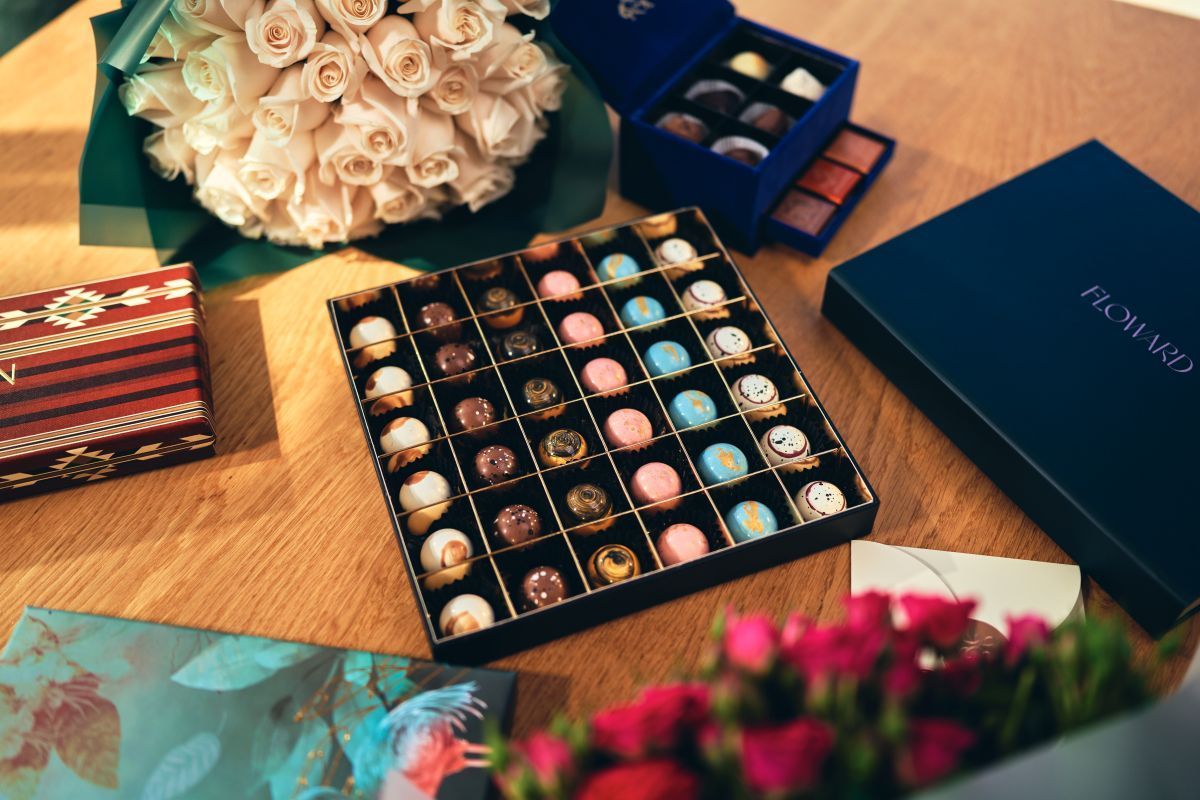
Across the Middle East, premium chocolate has become a popular choice for hospitality, festive occasions, and thoughtful gifting, often presented in beautifully designed boxes alongside other luxury treats.
5 Fascinating Facts About Chocolate
Chocolate's history is filled with remarkable stories and surprising discoveries. These are some of the fascinating facts about chocolate:
- The Aztecs used cocoa beans as actual currency and even paid taxes with them.
- Chocolate's scientific name, Theobroma cacao, literally translates to "food of the gods," reflecting the Aztec belief that it was a gift from the god Quetzalcoatl.
- Europeans first documented the practice of adding milk to chocolate in Jamaica in 1687, though locals there may have been doing it since as early as 1494.
- In 1828, a Dutch chemist developed a method to remove much of the natural fat from cacao, creating powdered cocoa and paving the way for mass-market chocolate.
- Blind taste tests reveal that chocolate preferences vary by nationality, with Americans favoring West African-bean chocolate, the French preferring very dark chocolate, Germans disliking bitterness, and the Swiss and Japanese leaning toward smooth, buttery textures.
How People Celebrate World Chocolate Day

There is no single way to celebrate World Chocolate Day, making it an occasion that everyone can enjoy in their own style.
Some people visit local chocolatiers to discover handcrafted creations, while others organize chocolate tastings with family or friends. Baking homemade desserts, exploring chocolates from different countries, pairing chocolate with coffee or tea, and learning about cocoa cultivation are all meaningful ways to celebrate the day.
Whether the celebration is simple or elaborate, the occasion encourages people to slow down, savor quality chocolate, and appreciate the craftsmanship behind every bite.
FAQs about World Chocolate Day
1. Why is World Chocolate Day celebrated on July 7?
July 7 is widely recognized as the date that commemorates chocolate's introduction to Europe, helping establish its popularity around the world.
2. Is World Chocolate Day celebrated worldwide?
Yes. While celebrations differ by country, World Chocolate Day is recognized internationally by chocolate lovers, chocolatiers, cafés, restaurants, and food enthusiasts.
3. What is the difference between World Chocolate Day and National Chocolate Day?
The main difference is their geographic scope and history. World Chocolate Day is celebrated globally on July 7, marking the historic anniversary of chocolate's introduction to Europe in 1550. National Chocolate Days, on the other hand, are country-specific holidays created by local confectionery industries; for example, the United States celebrates its main National Chocolate Day on October 28.
4. Which country is most famous for chocolate?
Belgium and Switzerland are among the countries most closely associated with premium chocolate production, although many regions worldwide are celebrated for their unique chocolate traditions.
World Chocolate Day is more than a celebration of a favorite sweet. It is an opportunity to appreciate the centuries of history, craftsmanship, and cultural traditions that transformed cacao into one of the world's most treasured foods. Whether you choose to learn about chocolate's origins, surprise someone with a premium online gift, or simply enjoy your favorite piece of chocolate, July 7 is a perfect reminder that some of life's simplest pleasures are also the most enduring.