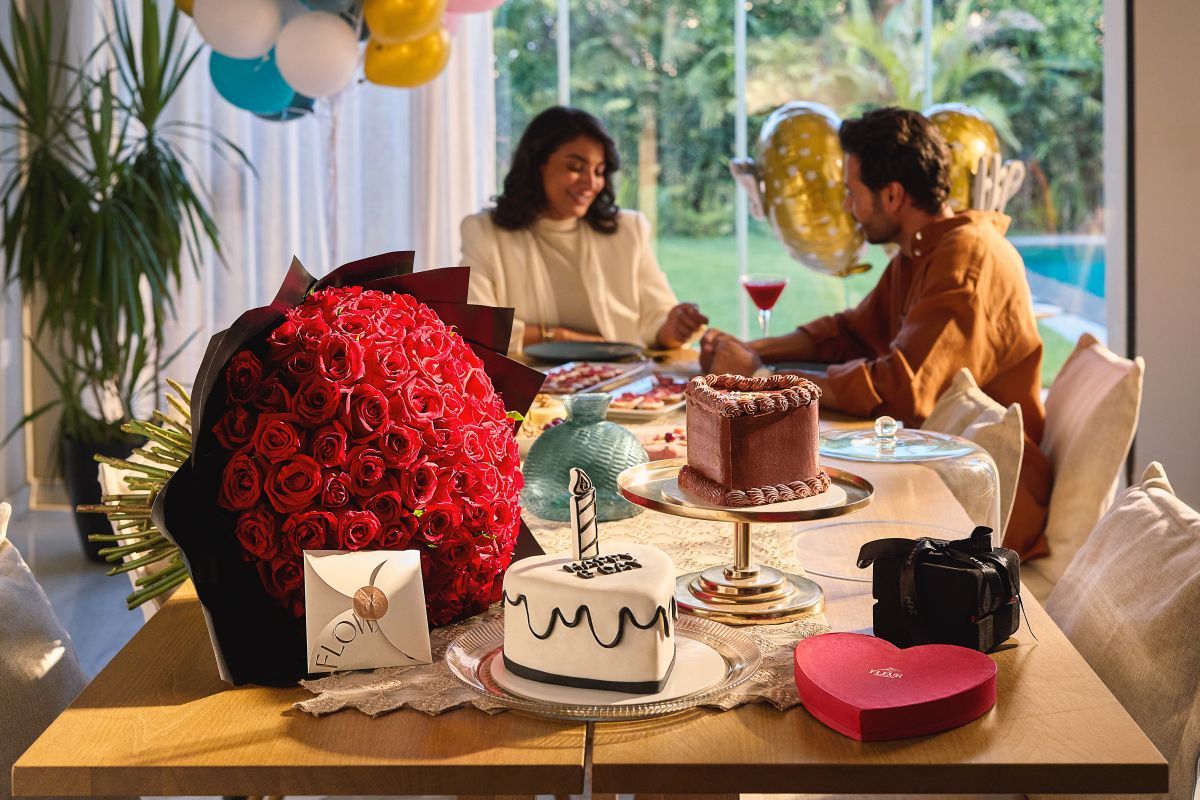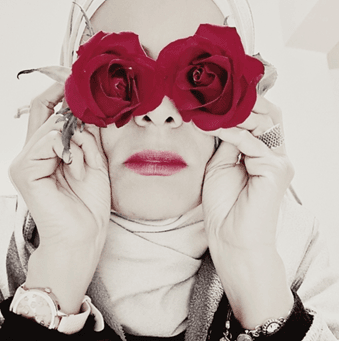
Have you ever found yourself smiling just by walking past a flower shop or receiving a surprise bouquet? That moment of unexpected happiness isn’t just in your head—it’s something deeper.
Flowers offer more than beauty—they bring emotional and psychological benefits backed by science. In this article, we’ll explore the benefits of flowers for mental health and how simply adding them to your life can boost your mood, reduce stress, and help you feel more grounded.
How Do Flowers Make Us Feel Good?
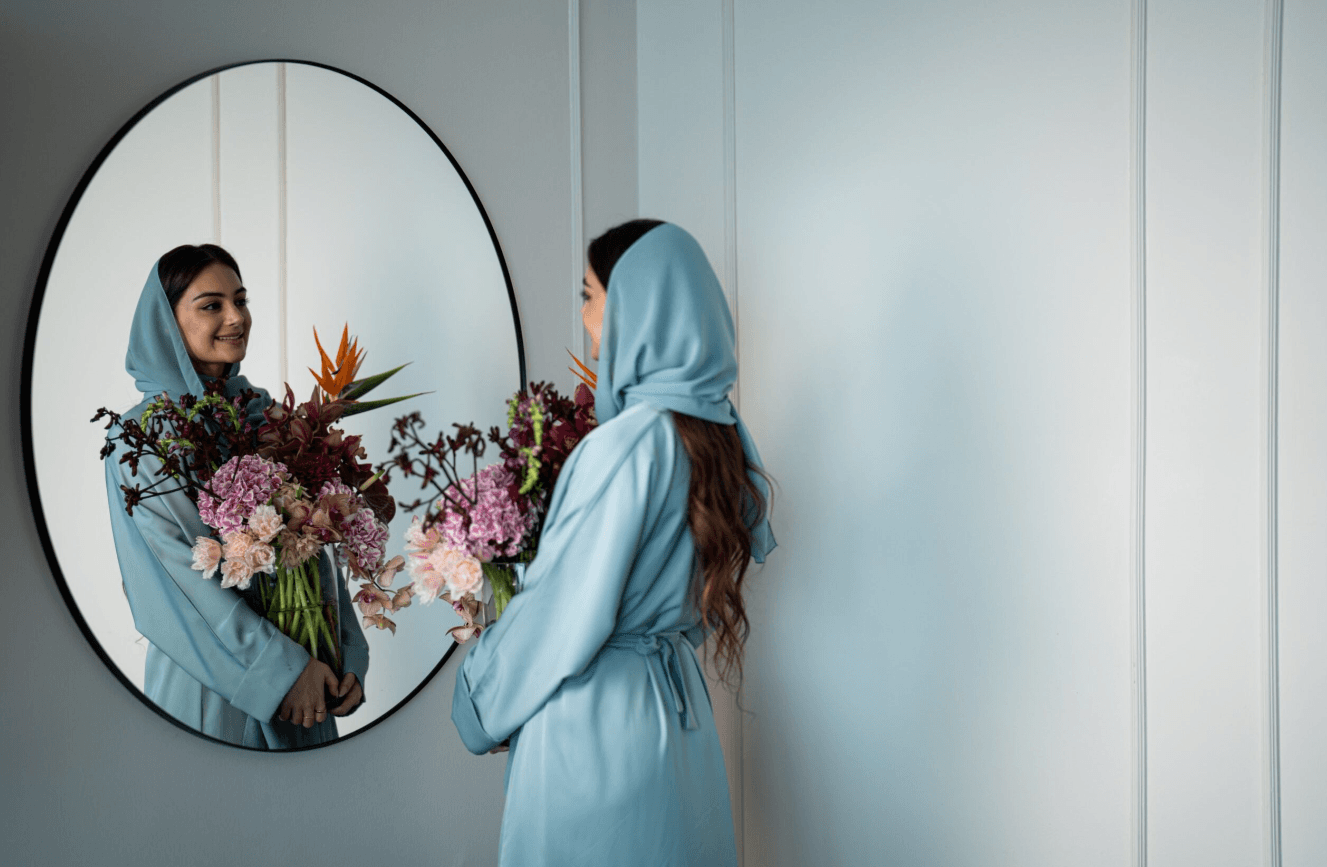
So, how do flowers affect mood, exactly? The colors, shapes, and natural scents of flowers stimulate the senses and trigger emotional responses. These experiences can increase dopamine and serotonin—two key brain chemicals associated with happiness and relaxation.
Studies have shown that patients in hospital rooms with flowers recover faster, and people who receive flowers report greater emotional well-being and reduced anxiety. These are just some of the scientific answers to how flowers make us feel good.
Emotional Benefits of Flowers for Mental Health

One of the most remarkable things about flowers is their emotional impact. Flowers create a comforting environment and serve as a quiet support system for emotional health.
Here’s how flowers support mental well-being:
- Lower stress levels: Just looking at flowers can reduce tension and promote calmness.
- Ease feelings of sadness or loneliness: Their presence adds warmth and connection to your surroundings.
- Help express what words can’t: From grief to love and hope, flowers carry deep emotional messages.
If you're exploring natural ways to boost your mental health, flowers are a simple, proven option.
Flowers as a Tool for Mindfulness and Presence
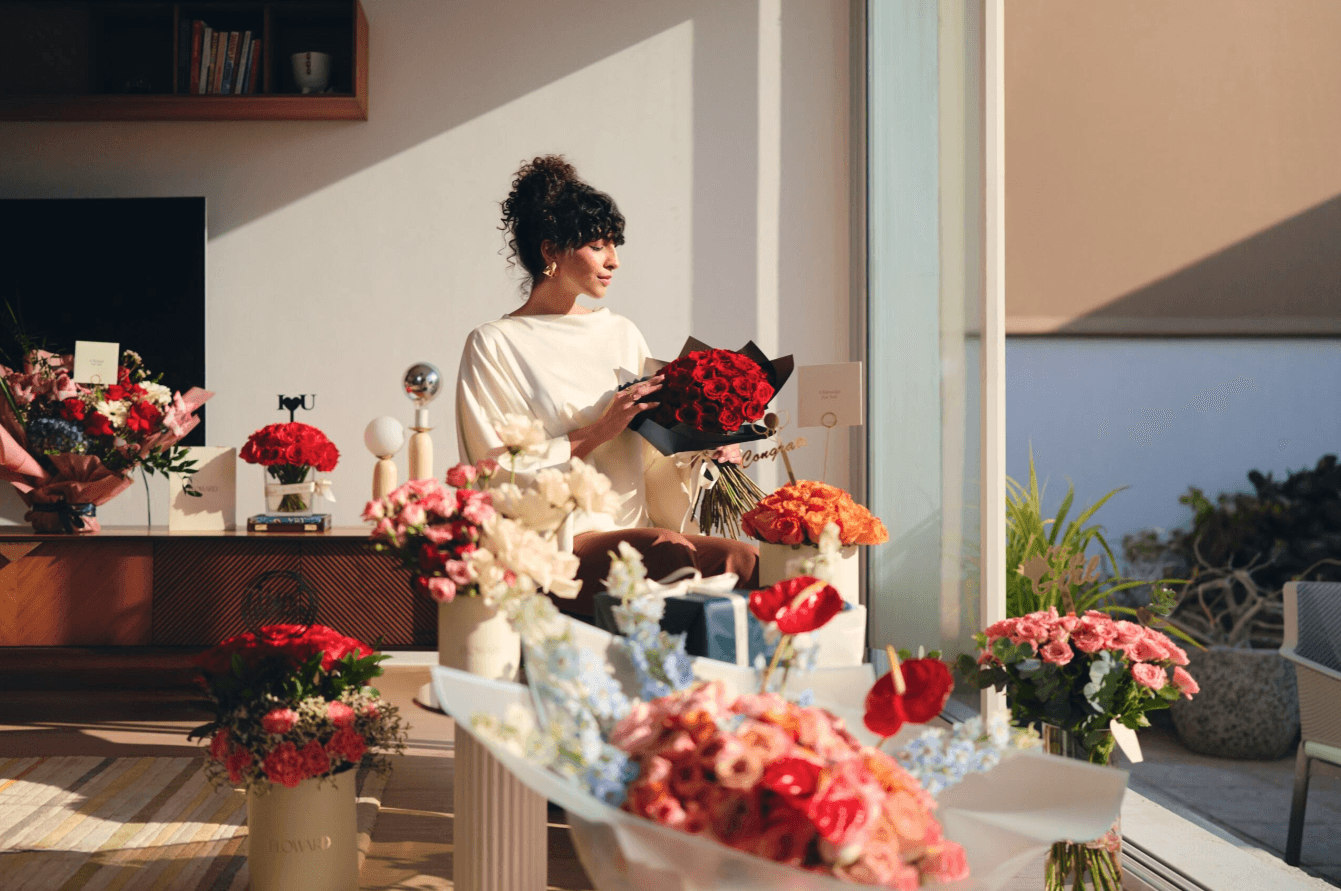
Spending time with flowers encourages stillness and observation—both core elements of mindfulness.
Whether you’re arranging a bouquet, watering a plant, or simply admiring petals up close, you’re engaging in a quiet moment of presence. These micro-mindfulness practices promote emotional clarity and inner calm, making flowers a valuable tool for emotional self-care.
Which Flowers Are Best for Your Mood?

Different flowers can spark different feelings. Choosing the right ones can enhance your mood and environment in powerful ways.
Here are some flower types and their typical emotional benefits:
- Uplifting: Sunflowers and daisies boost positivity and energy.
- Soothing: Lavender and chamomile help ease tension and encourage sleep.
- Romantic & comforting: Roses and peonies foster feelings of love and connection.
- Energizing: Tulips and daffodils feel bright, hopeful, and full of life.
By selecting flowers that align with your emotional needs, you can create a mood-enhancing space that supports mental wellness.
Read more: Top 5 Happiness Flowers to Boost Your Mood
5 Tips to Boost Your Mood with Flowers Every Day
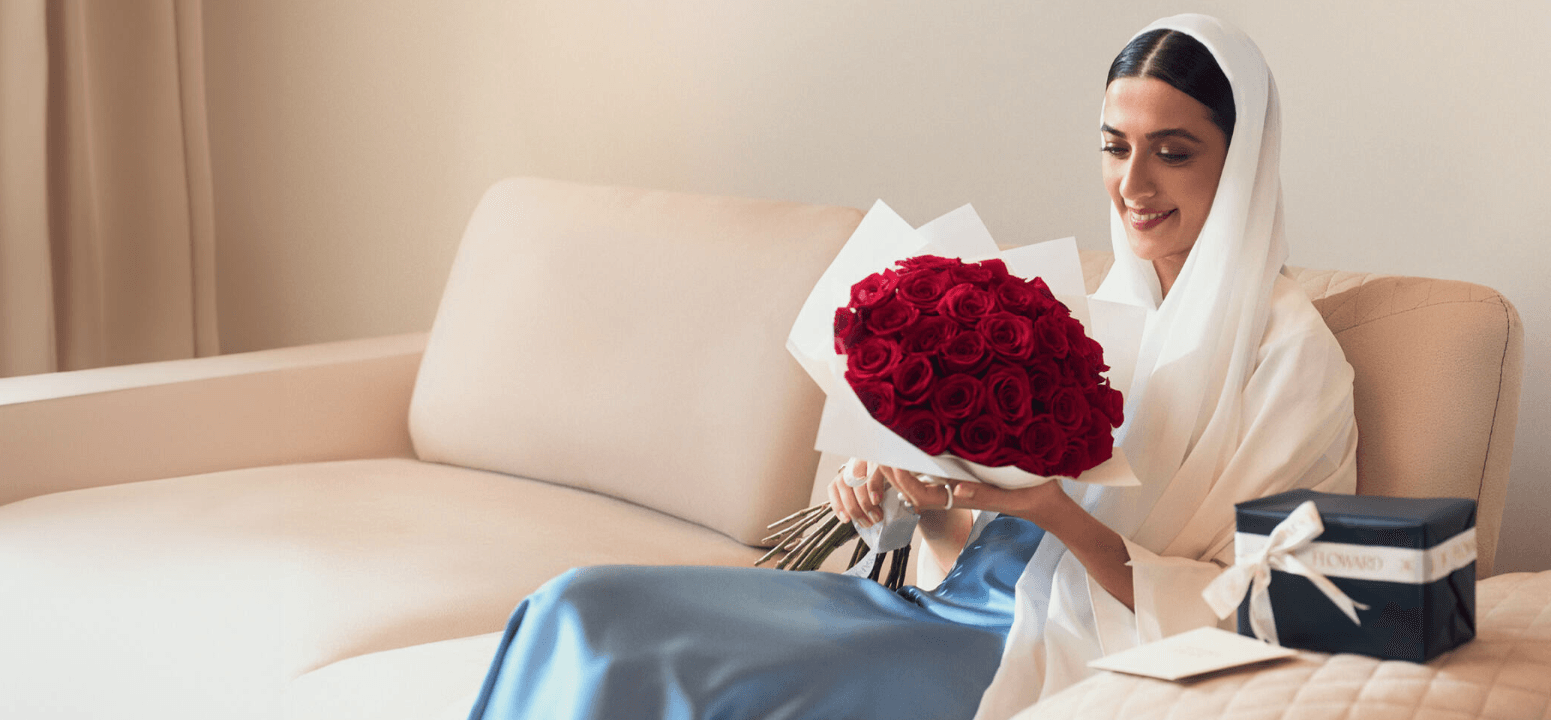
You don’t need a garden or a big budget to enjoy the benefits of flowers. Here are easy ways to add their joy and beauty to your routine:
- Buy yourself a weekly bouquet, just because you deserve it.
- Place flowers in your favorite spots at home or work.
- Grow your own flowering plant on a balcony or windowsill. Start with choosing from this collection
- Send flowers to someone you care about—brightening their day brightens yours.
- Enjoy floral teas or natural scents like rose or jasmine to support relaxation (always use safe, natural products).
Flowers aren’t just pretty decorations; they’re gentle reminders that beauty and peace can exist even on hard days. Whether you're gifting them or keeping one close, flowers offer a quiet kind of healing. So next time life feels heavy, let a single bloom bring a little light back in.