
Gold has always been a symbol of wealth, love, and timeless elegance. When buying jewellery, one of the most important factors to consider is gold karat, which refers to the level of purity in the metal. The karat system determines how much pure gold is present in comparison to other alloys such as silver, copper, or nickel. Understanding the differences in gold purity can help you choose wisely between 24k gold, 22k gold, 18k gold, and 14k gold, depending on your lifestyle, budget, and jewellery needs. Explore the types of gold below to discover which gold karat best suits your taste and purpose.
What is The Difference Between Gold Karats?
The difference between gold karats lies in their purity levels and durability. 24k gold is the purest but also the softest, while 14k gold contains more alloys, making it stronger and more affordable. Between them, 22k gold or 21k gold offers tradition and richness, and 18k gold balances beauty with practicality. Each type has its own unique qualities, making it essential to match the karat to how you plan to wear the jewellery.
24K Gold: Purest Form of Gold
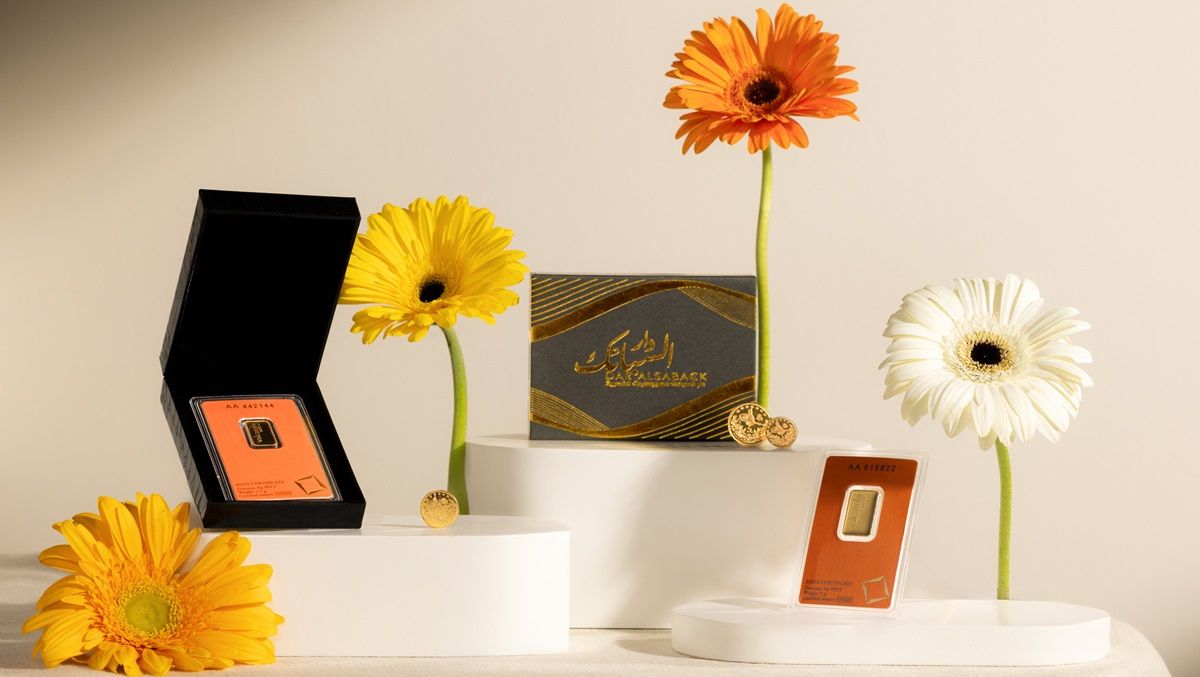
24k gold is considered the purest form of gold, with a 99.9% gold purity level. Its deep yellow colour makes it highly desirable for collectors and investors. However, due to its softness, it is prone to scratches and bending, making it unsuitable for daily wear jewellery. This karat is best reserved for ceremonial pieces, investment bars, or decorative ornaments rather than engagement rings or bracelets. Discover its pros and cons below before making a choice.
Pros of 24K Gold | Cons of 24K Gold |
Highest purity (99.9%) | Very soft, scratches easily |
Deep, rich yellow colour | Not suitable for everyday wear |
Excellent for investment and collectibles | Expensive compared to other karats |
22K Gold: Traditional Favourite
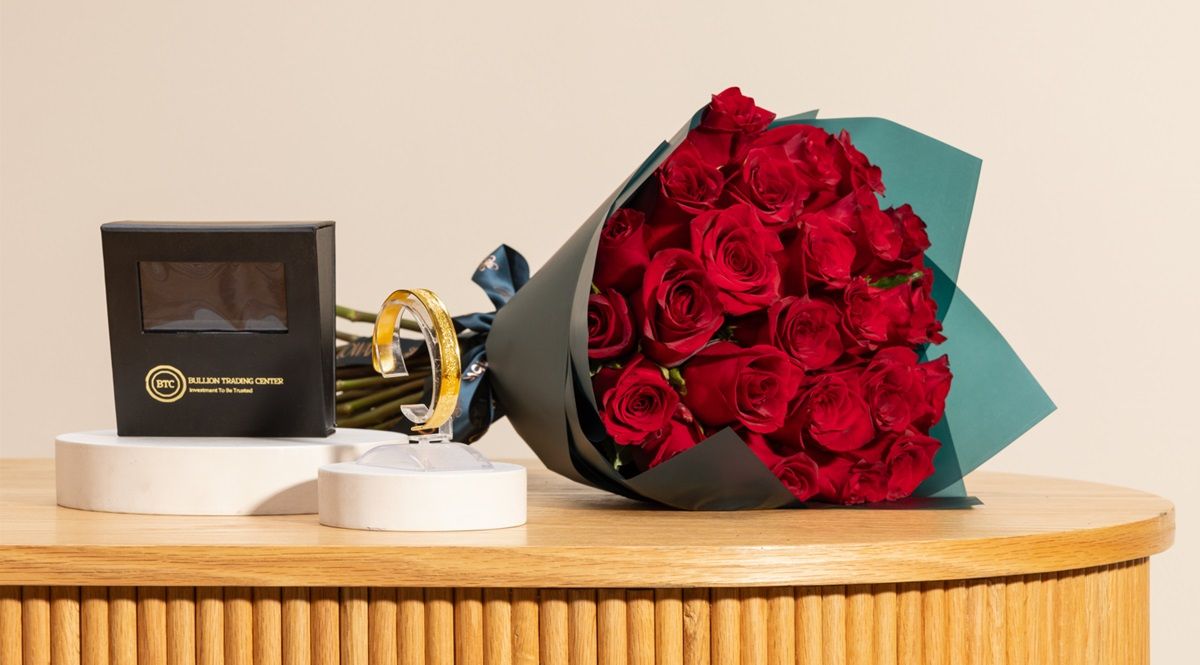
With a purity of 91.6%, 22k gold is a traditional favourite across many cultures, especially in Asia and the Middle East. It is still relatively soft but can withstand more wear than 24k gold, making it popular for elaborate bangles, necklaces, and earrings. This type of gold allows for intricate craftsmanship while retaining a warm yellow hue. However, it is not the most practical choice for jewellery that will be worn daily.
Pros of 22K Gold | Cons of 22K Gold |
High purity (91.6%) | Still relatively soft |
Beautiful warm colour | Less durable than 18k or 14k |
Perfect for traditional designs | Not ideal for engagement rings |
In some Arab countries, such as Egypt, 21 karat gold is widely used and is slightly less pure than 22 karat gold. It contains around 87.5% pure gold, a composition that gives it greater strength and durability when crafting gold jewellery with intricate, detailed designs. This balance between value and resilience makes 21 karat gold a practical and popular choice, and it is typically priced slightly lower than 22 karat gold jewellery.
18K Gold: Balanced Choice
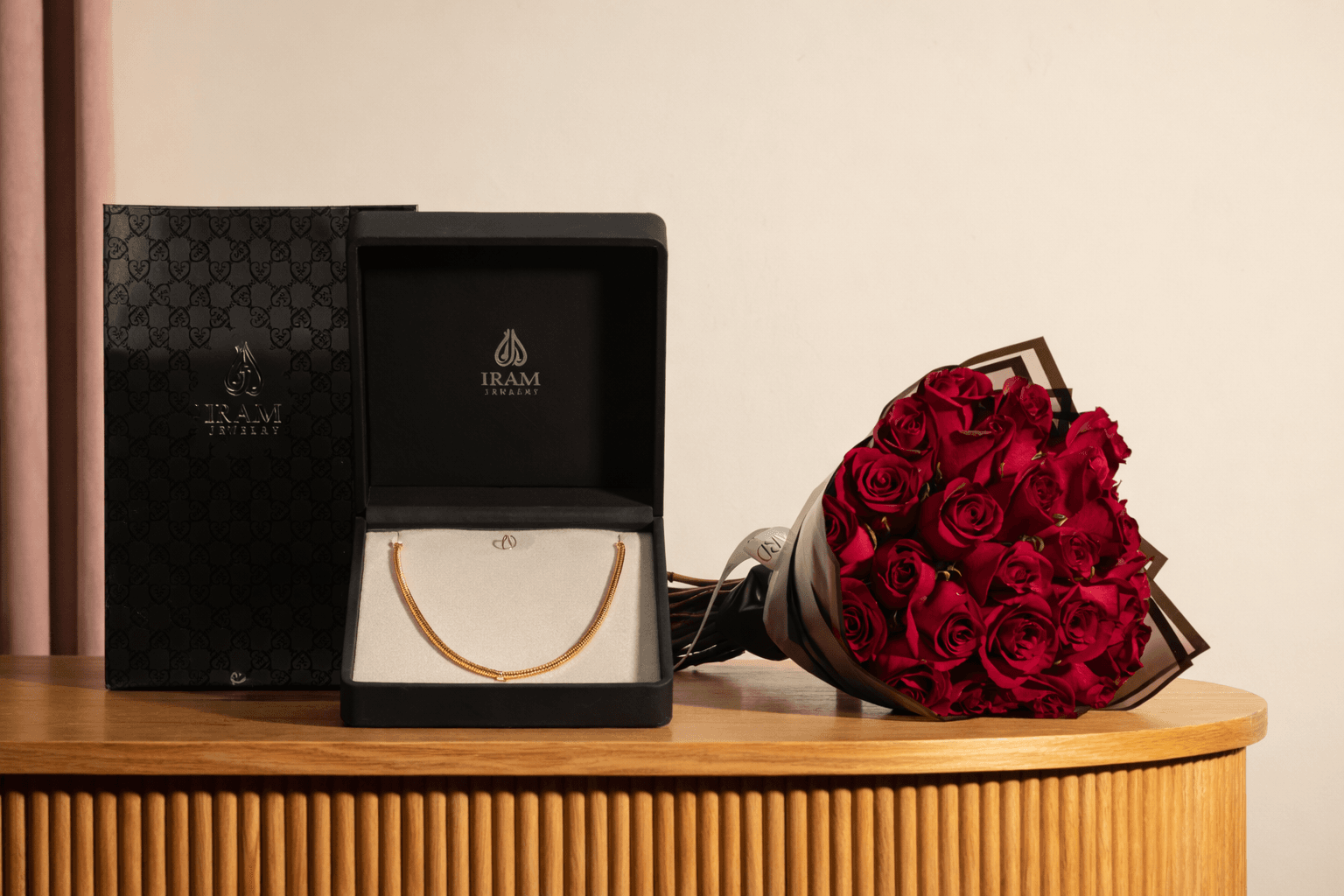
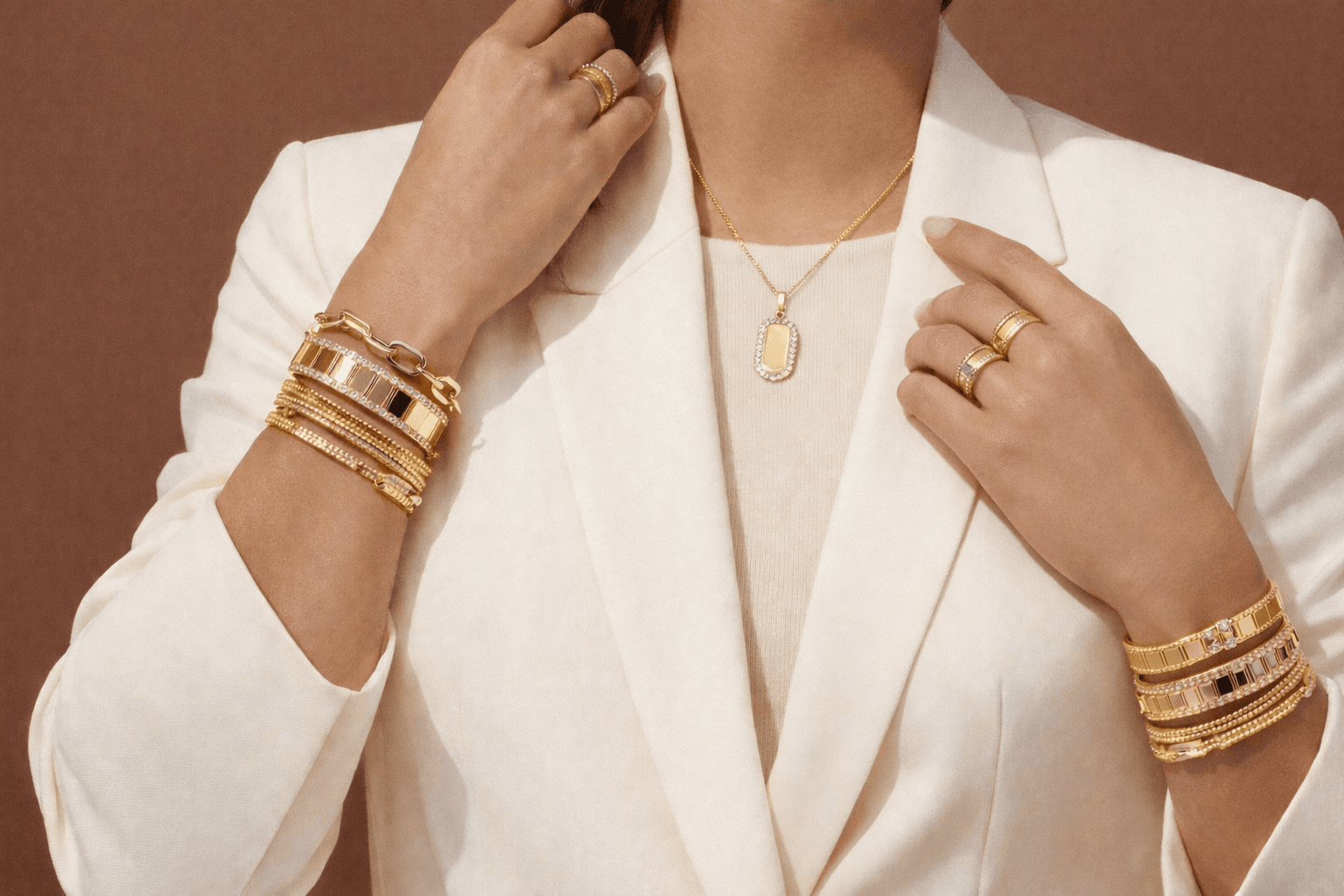
With 75% pure gold, 18k gold combines elegance with durability, making it one of the most popular options worldwide. Its slightly paler colour compared to 22k gold gives it a refined look, while the added alloys strengthen it for everyday wear. If you want a balance between luxury and practicality, 18k is often the perfect choice.
Pros of 18K Gold | Cons of 18K Gold |
Durable enough for daily wear | More expensive than 14k |
Beautiful balance of purity and strength | Less pure than 22k and 24k |
Popular for wedding and engagement rings | May show scratches over time |
14K Gold: Practical and Affordable
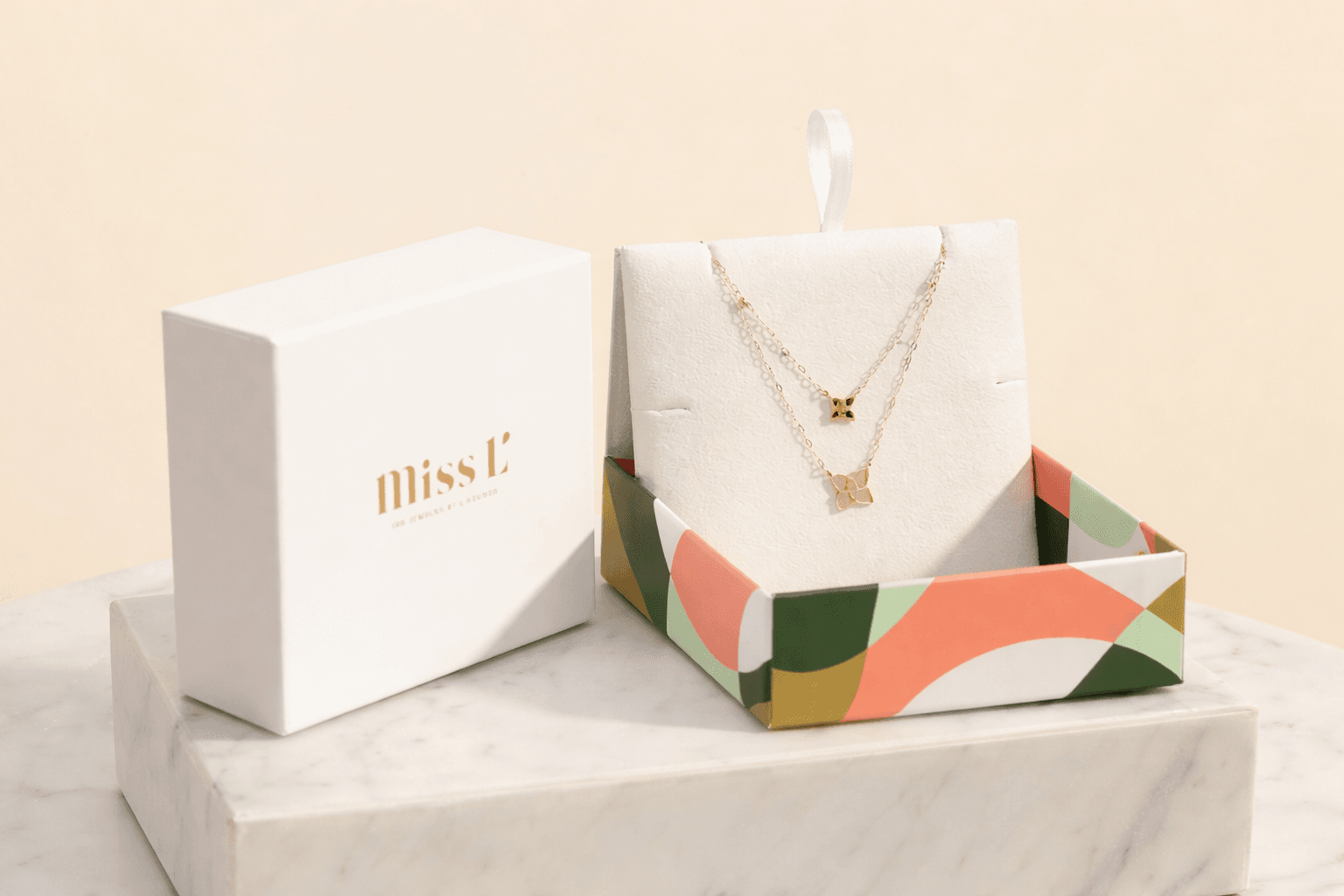
14k gold is more durable than higher karats because it contains only 58.3% pure gold, with the rest made up of stronger metals. This makes it highly resistant to scratches and bending, ideal for daily wear jewellery such as bracelets, necklaces, and casual rings. It is also more budget-friendly, offering a wide range of styles and designs without compromising on quality. For those seeking value and resilience, 14k gold is a smart investment.
Pros of 14K Gold | Cons of 14K Gold |
Highly durable and scratch-resistant | Lower purity (58.3%) |
More affordable than higher karats | Colour less rich than 18k or 22k |
Wide variety of designs | Less prestigious than higher karats |
So, which gold karat is best for jewellery? Each gold karat has unique advantages and drawbacks. 24k gold symbolises purity and value, 22k gold offers tradition and design flexibility, 18k gold provides a luxurious yet practical balance, and 14k gold stands out for its strength and affordability. The best choice depends on your lifestyle, occasion, and budget. Whether you are selecting an engagement ring, a traditional necklace, or everyday earrings, matching the right karat to your needs ensures that your jewellery remains beautiful and meaningful for years to come.