A productive workday often begins before you open your laptop. Your home office setup influences how comfortably you sit, how easily you concentrate, and how many small distractions compete for your attention throughout the day. A supportive chair, thoughtful lighting, a little greenery, subtle fragrance, and an organized desk can make long working hours feel noticeably easier. The goal is not to create a picture-perfect office, but a space that quietly supports the way you work.
1. Start With a Comfortable Desk and Chair
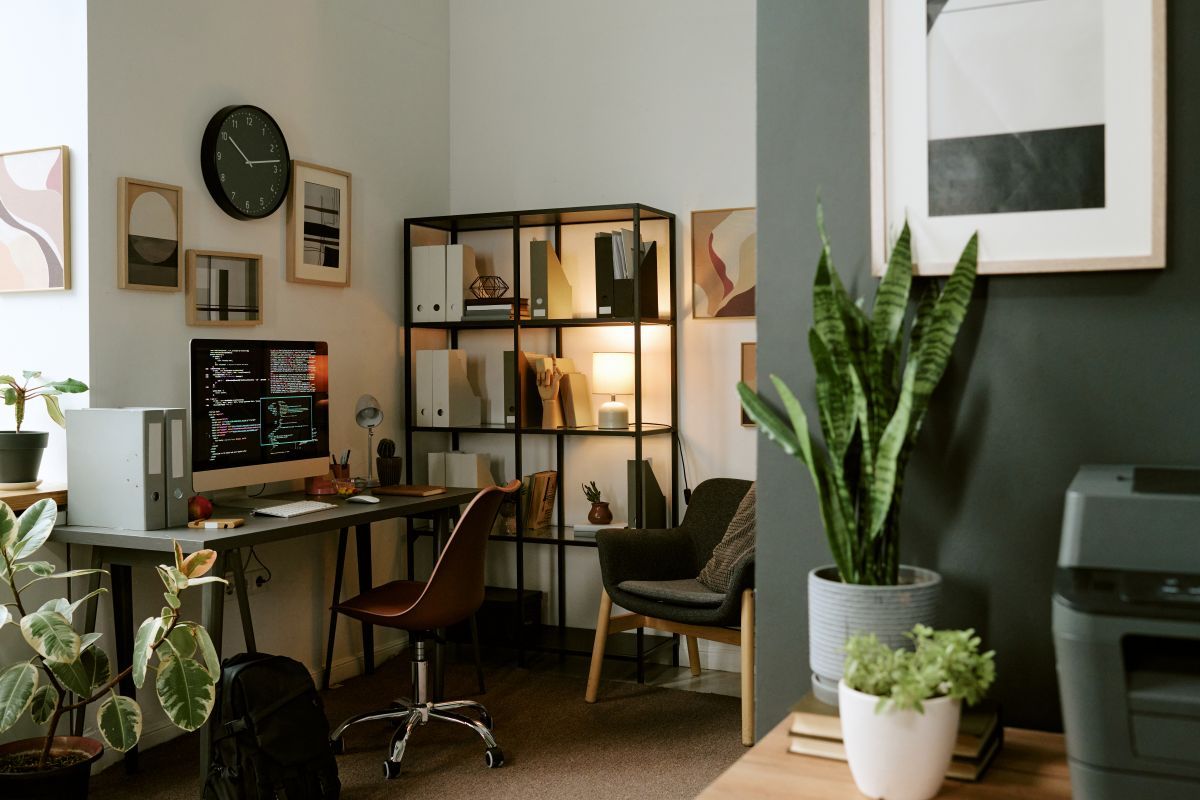
A good home office setup begins with the two pieces of furniture you use most: your desk and chair. Choose a desk that gives you enough room for your computer and everyday essentials without encouraging clutter, then pair it with an adjustable chair that supports a comfortable upright posture. Your feet should rest securely on the floor or a footrest, while your shoulders remain relaxed as you type. Comfort matters because physical irritation can quickly become another distraction during demanding work.
2. Get Your Home Office Lighting Right
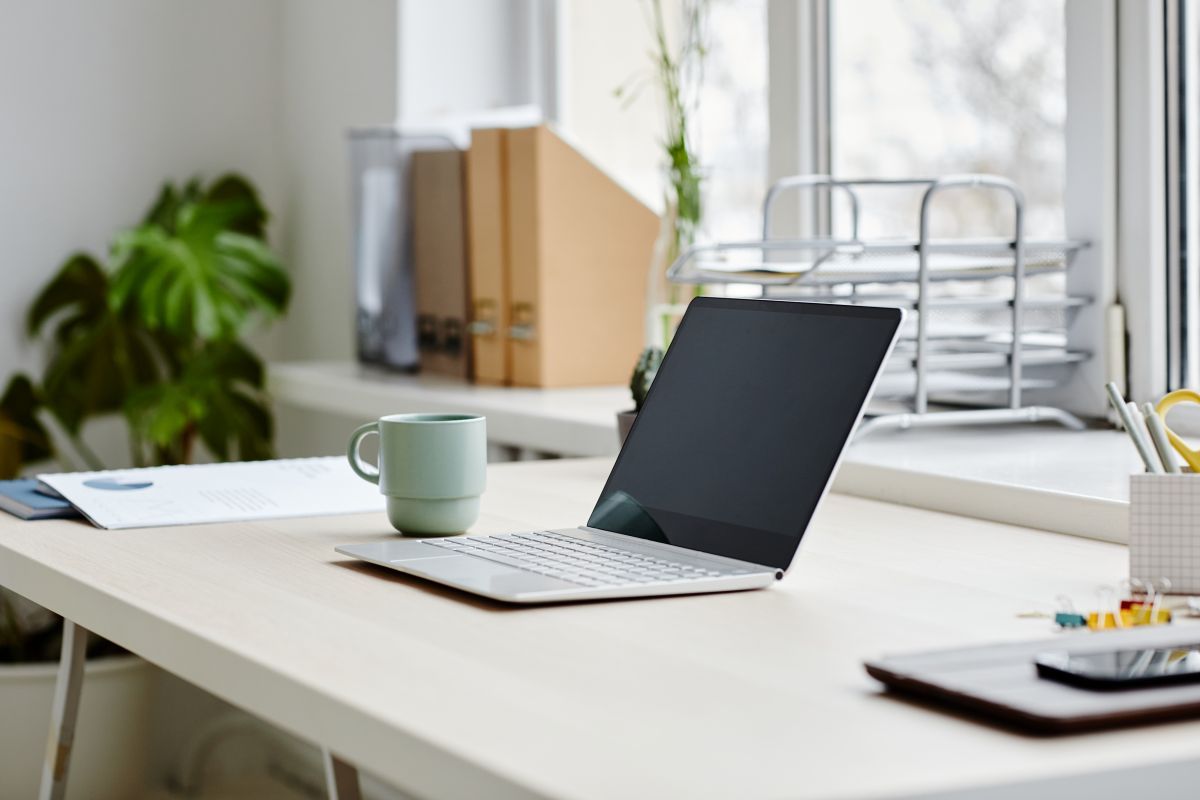
Good home office lighting should help you see clearly without creating glare, harsh shadows, or unnecessary eye discomfort. Positioning your desk near daylight can be useful, but avoid placing a bright window directly behind your monitor or immediately in front of your eyes. Add an adjustable desk lamp for reading, writing, or detailed tasks, particularly when daylight begins to fade. Research into home workspaces suggests that lighting conditions can affect comfort and well-being, making this one of the most practical elements to improve.
3. Bring Plants Into Your Home Office
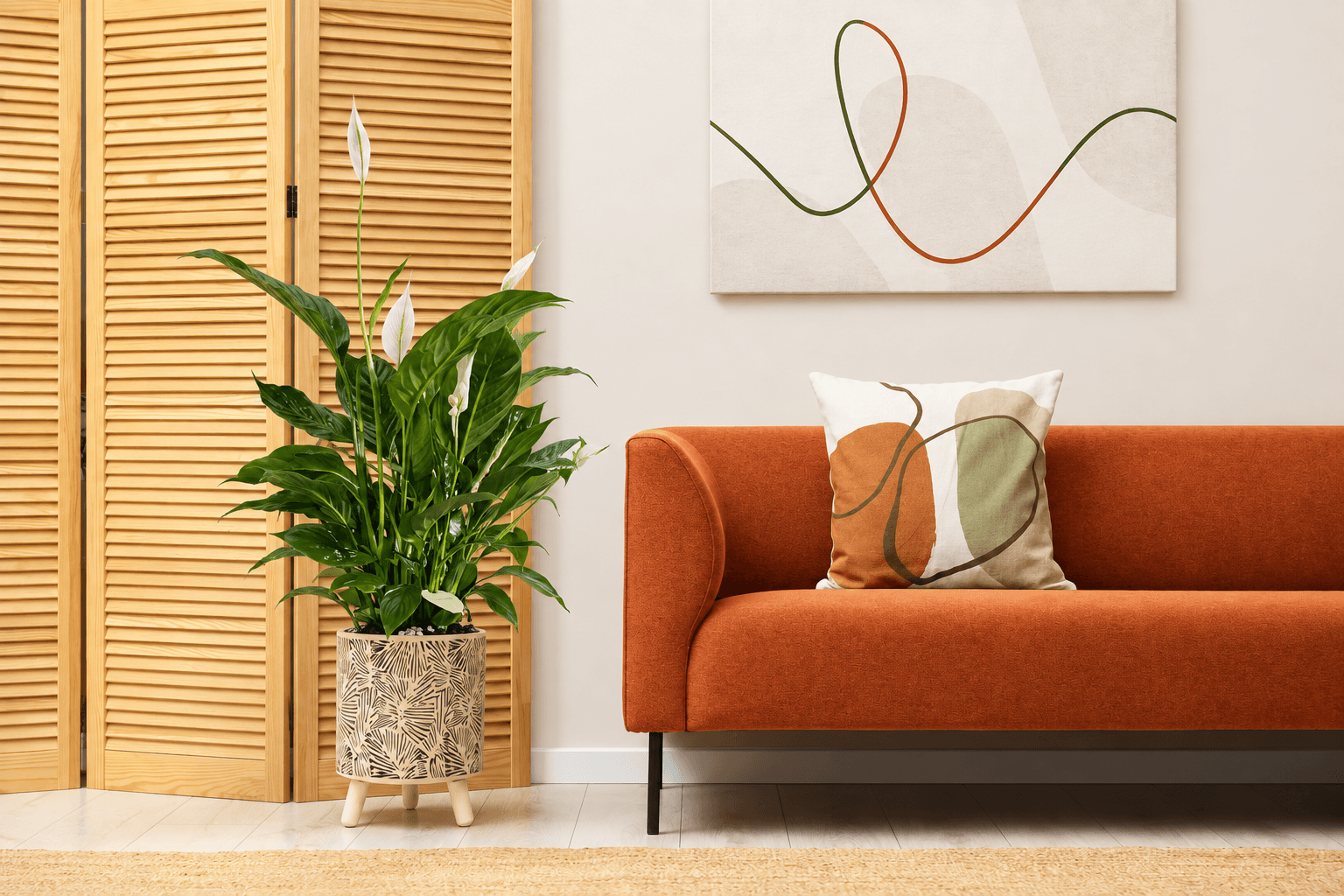
Home office plants can soften a technology-heavy workspace and introduce a welcome connection with nature, especially when you spend most of your day indoors. Snake plants, pothos, ZZ plants, and other relatively low-maintenance varieties work particularly well because they add greenery without turning plant care into another daily task. Research into plants and workplace performance has produced mixed results, so think of greenery primarily as a way to create a more pleasant, visually restorative environment rather than a productivity shortcut.
Flowers in Vases

KWD 27
Summer Tulips Vase
KWD 4
Charm Orange Baby Rose Vase
KWD 24
Ethereal Bliss Flowers Vase
KWD 13
Eternal Pride Flower Box
KWD 25
Pretty in Red Floral Vase
KWD 48
Sparadise Hot Stone Message Voucher for Women | Sweet Flower Vase
KWD 17
Elegant Happiness Flower Vase
KWD 20
Distinct Pink Carnation Box | 22 Flowers
KWD 74
Al Omara Mario Valentino White Ghutra | Roses Vase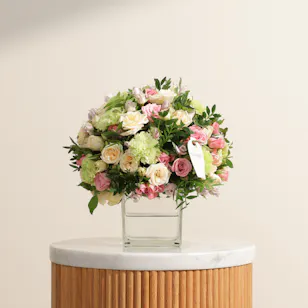
KWD 29
Blush Garden Flowers Vase
4. Choose Home Scents That Support Your Work Mood
Fragrance can become a subtle part of your home office setup, particularly when you associate a certain aroma with the beginning of focused work. Rosemary is an interesting option because controlled studies have found associations between rosemary aroma and aspects of cognitive performance, although fragrance should not be treated as a guaranteed concentration booster. Lemon and peppermint are other fresh choices being studied in workplace environments. Keep any scent light, particularly in a small room, so it remains in the background rather than becoming a distraction.
Elegant Home Décor Gifts

KWD 35
Alkaline It Virgo Drinking Set
KWD 35
Sanad Congratulation Bukhour Box 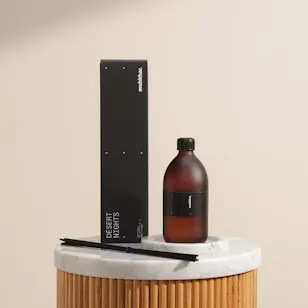
KWD 23
Mubkhar Desert Nights Reed Diffuser | 500ml
KWD 68
Zahi The Mystique Reed Diffuser | 1250ml
KWD 20
Sanad Zora Super Hindi Bukhour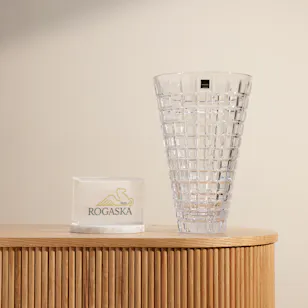
KWD 158
Rogaska Crystal Atrium Premium Vase
KWD 38
Zahi Honey Garden Diffuser | 500 ml 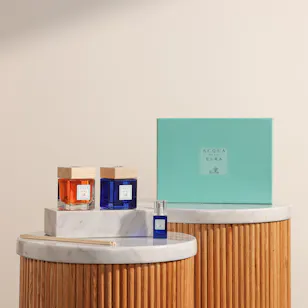
KWD 40
Acqua Dell'Elba Luxurious Home Fragrance Set
KWD 13
Mubkhar Desert Nights Home Spray | 500ml
KWD 10
Mubkhar Bukhoor Essential Oil | 15 ml
5. Invest in Desk Accessories That Reduce Distractions
The most useful home office accessories are often the ones you barely notice once they are working properly. A monitor arm or stand can help position your screen more comfortably, while a laptop stand, wireless keyboard, document holder, and simple cable management system can free valuable desk space. Keep frequently used objects within easy reach and move chargers, loose cables, paperwork, and rarely used accessories away from your main working area. A visually quieter desk gives your attention fewer unnecessary places to wander.
Improving your home office setup does not require a complete room makeover or an expensive collection of productivity gadgets. Start with comfort and lighting, then consider plants, subtle home scents, and desk accessories that solve genuine problems in your daily routine. The best workspace is ultimately personal: it should feel comfortable enough for long working sessions while remaining organized enough to help you mentally separate work from the rest of your home. Small, intentional changes can make that balance much easier to maintain.