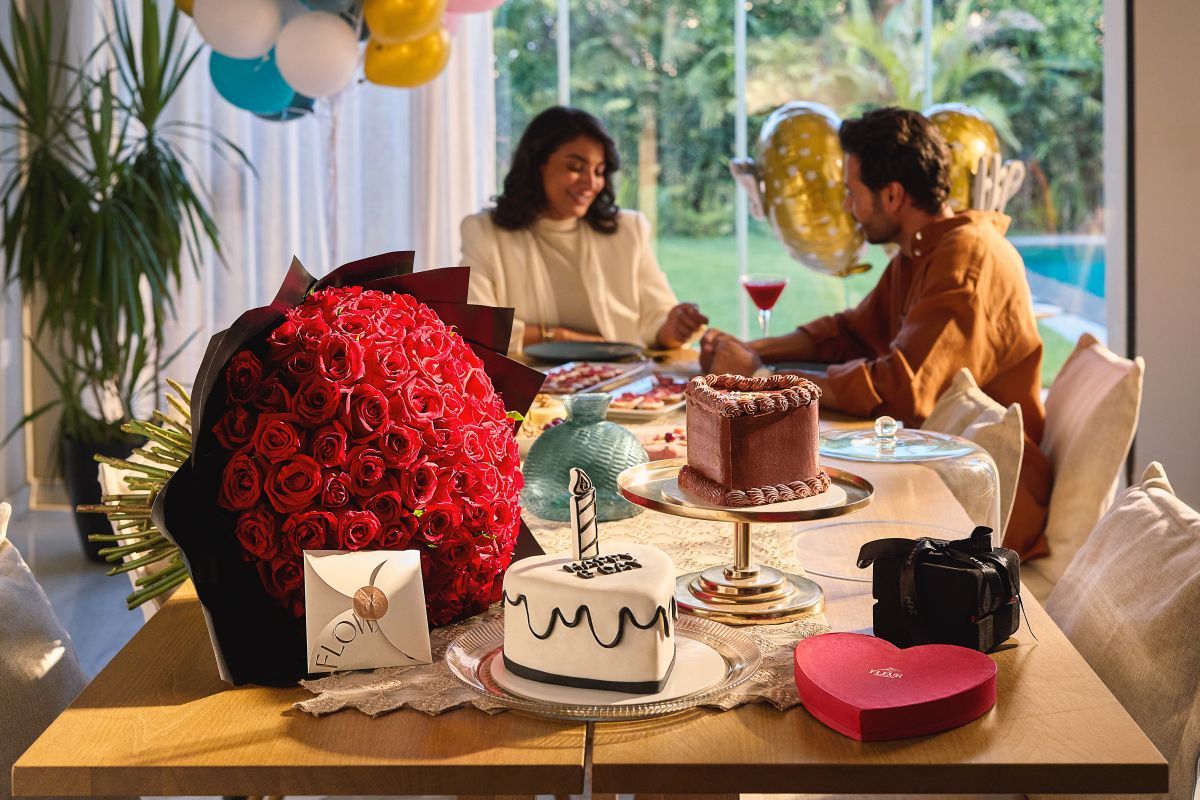
When Valentine’s Day arrives, red roses often steal the spotlight as the ultimate symbol of love and romance. Yet Valentine’s Day flowers vary in their types, colours and meanings. Flowers have long been used to express emotions that words sometimes cannot capture. Today, gifting flowers is about choosing the right message as much as the bouquet. In this guide, we explore five stunning flowers that beautifully represent love for your next Valentine’s Day bouquet.
Why Do We Give Flowers on Valentine’s Day?
The tradition comes from centuries-old customs where flowers were used to express love respectfully and symbolically. Across cultures, flowers became a graceful way to express affection, admiration, and devotion without spoken words. Over time, this evolved into a universal romantic gesture. Today, Valentine’s Day flowers help people express love thoughtfully and elegantly.
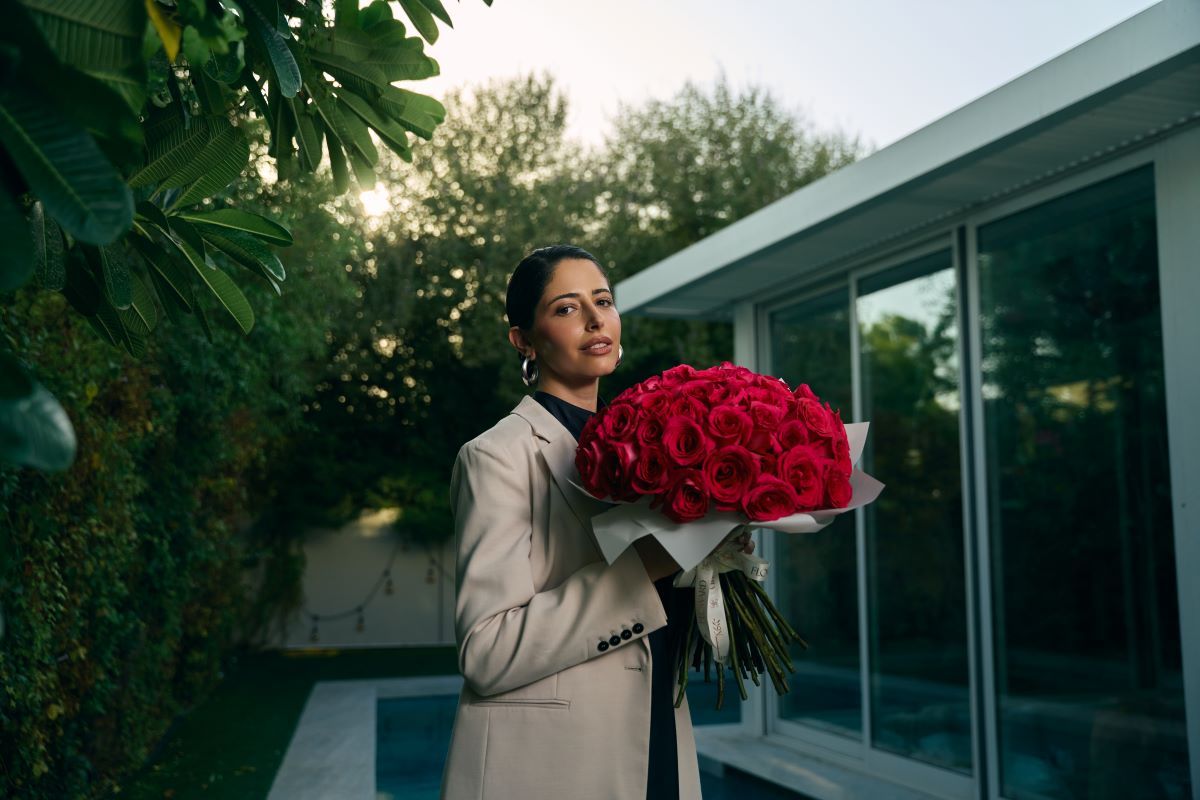
What Is the Most Popular Flower for Valentine's Day?
Is there truly only one flower that defines love? Many people assume that roses are the only choice for a romantic gesture, but the world of Valentine's Day flowers is much more diverse than that. Just as love has different stages and depths, there is a vast variety of blooms that express those unique feelings.
So, what are the five most romantic flowers for Valentine’s Day? Let’s discover them below to find the perfect match for your message.
Red Roses
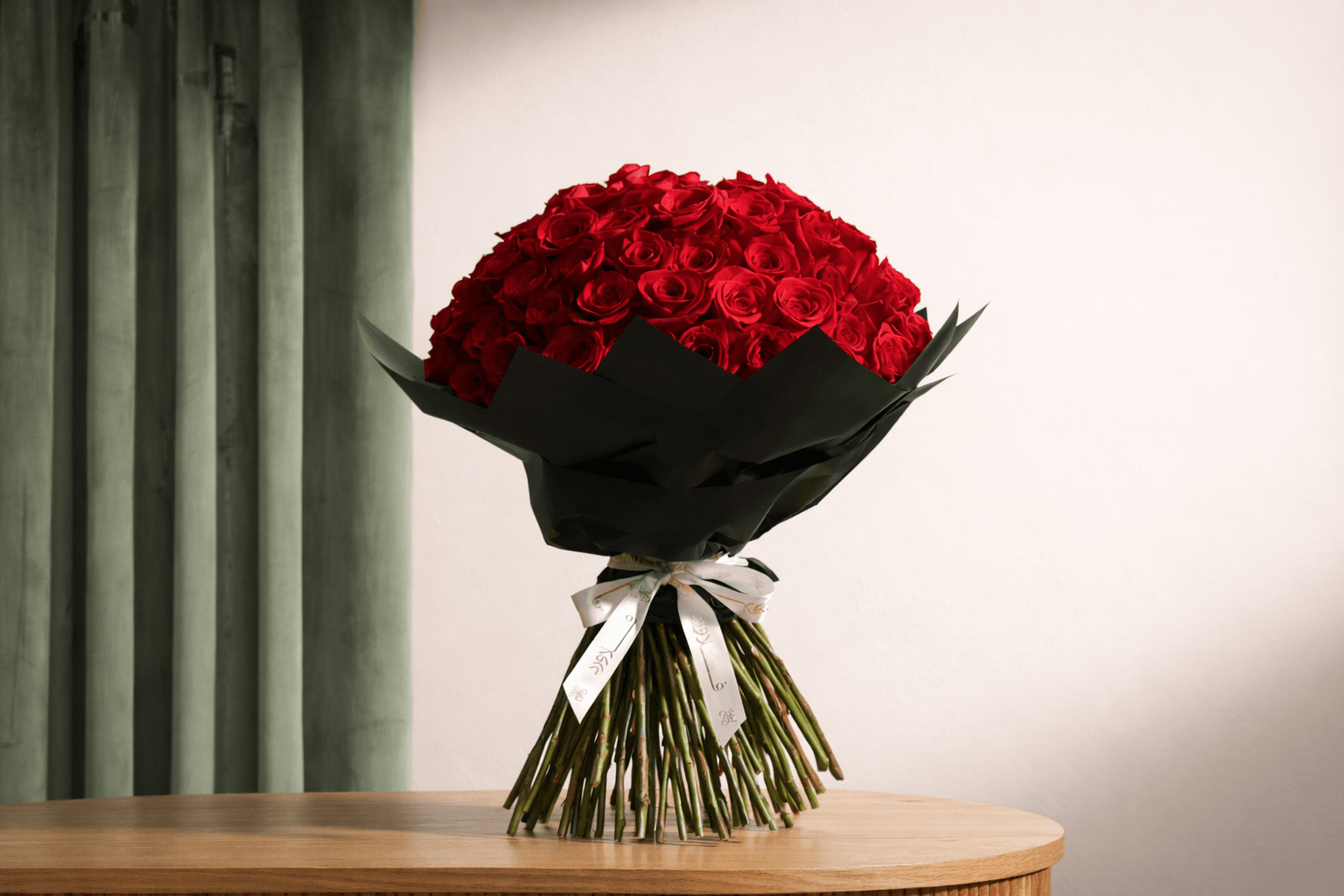
What is the official flower of Valentine’s Day? Red roses hold this title because they symbolise deep love, passion, and romance. Their rich red colour represents strong emotional connection and desire, making them ideal for romantic partners. Dark red roses express lifelong commitment, while lighter reds and pinks suggest admiration. Among all Valentine’s Day flowers, red roses remain the most powerful symbol of love.
Tulips
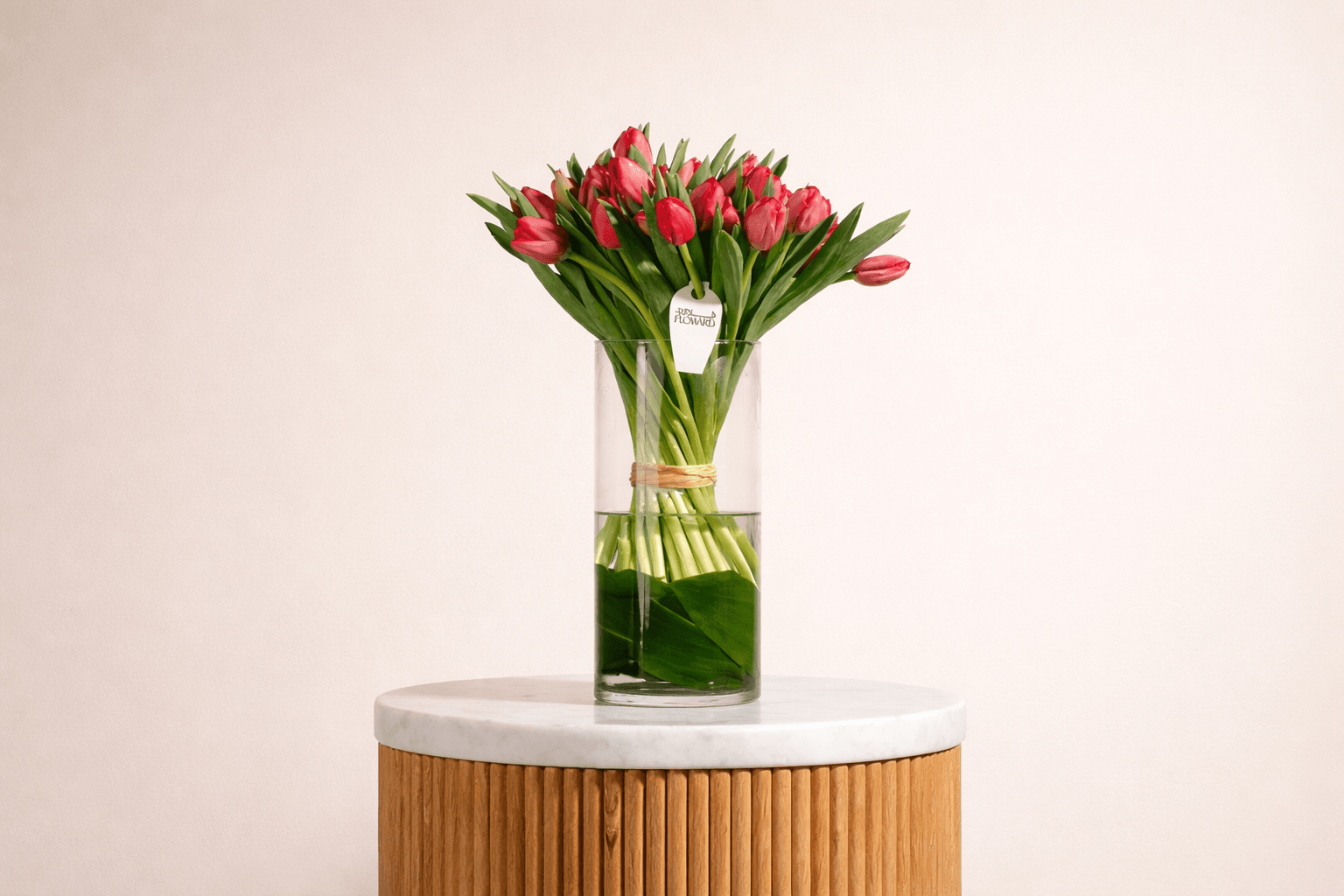
Tulips offer a softer yet equally romantic alternative to Red Roses. Red tulips symbolise perfect love and emotional harmony, while pink tulips represent affection and happiness. White tulips are linked to sincerity and forgiveness, making them meaningful in heartfelt relationships. Choosing tulips allows for modern expression while staying rooted in classic flower symbolism for romance.
Lilies
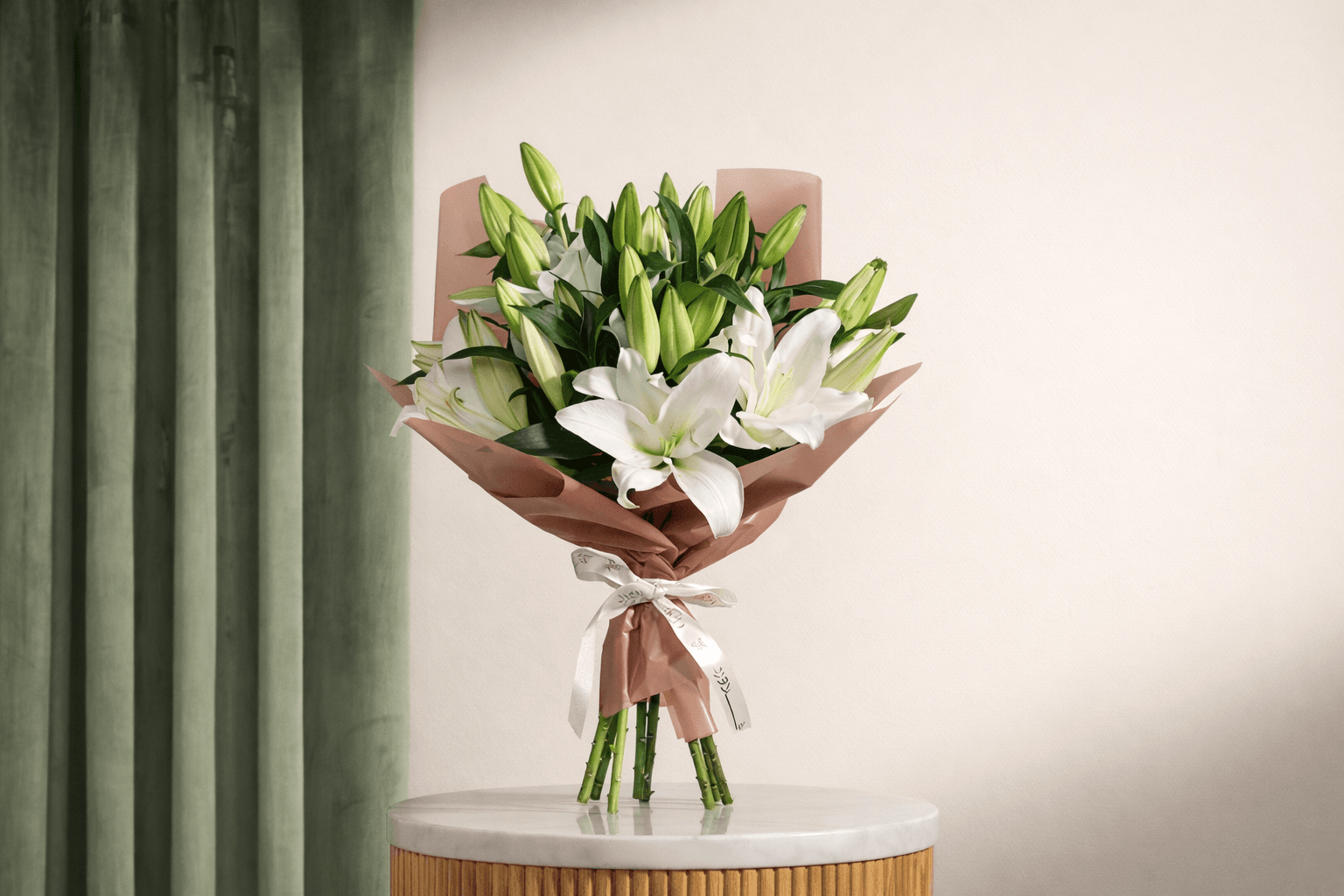
Lilies represent purity, commitment, and refined beauty. White lilies are associated with devotion and long-term love, often chosen for meaningful relationships. Pink lilies express admiration and compassion, while orange lilies convey confidence and enthusiasm. Within Valentine’s Day flowers, lilies stand out as a sophisticated choice that communicates emotional depth and respect.
Orchids
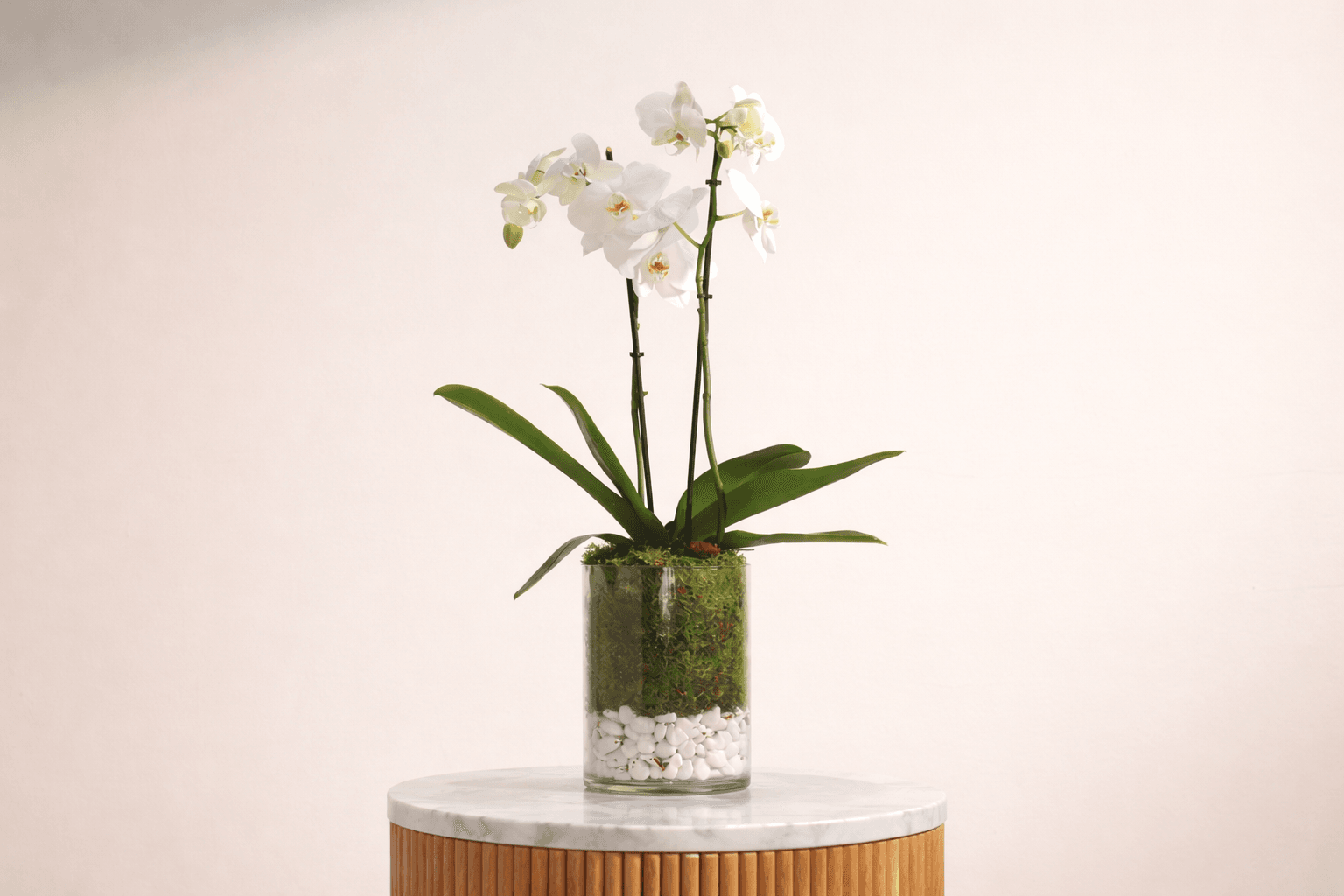
Orchids are an exotic symbol of luxury, strength, and lasting love. Their long-lasting blooms reflect enduring affection and deep emotional bonds. White orchids symbolise purity and grace, while purple orchids convey admiration and respect. As part of choosing the right Valentine’s Day flowers, orchids make a bold yet refined romantic statement.
Peonies
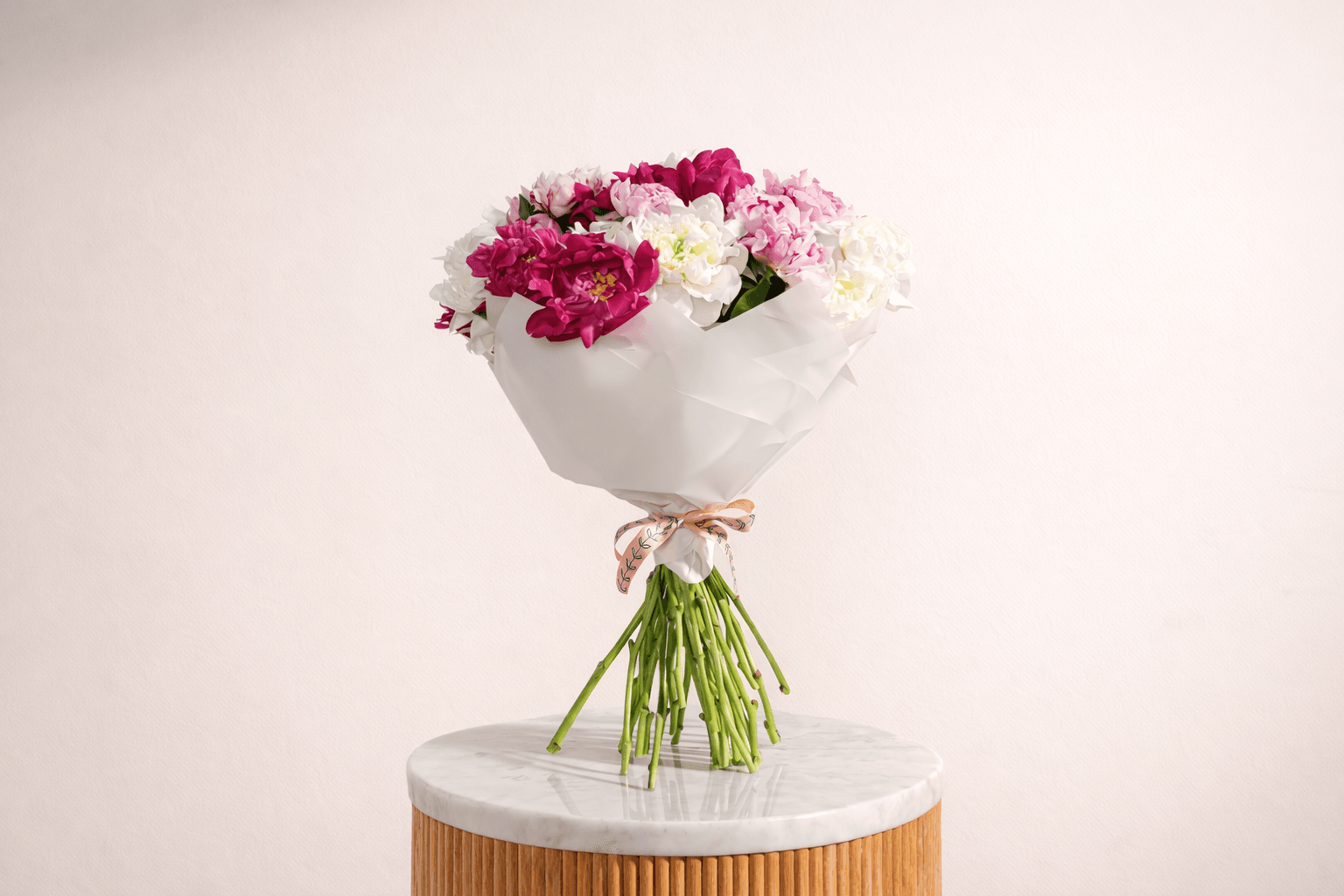
Peonies are lush, romantic blooms associated with prosperity, happiness, and emotional richness. Soft pink peonies represent romance and affection, while deeper shades suggest passion and honour. Their full, layered petals reflect abundance in love and relationships. Among Valentine’s Day flowers, peonies are perfect for celebrating heartfelt romance and future happiness.
How to Choose the Right Valentine’s Day Flowers?
Choosing the right Valentine’s Day flowers begins with understanding the emotion you want to express. Passionate love is best represented by red roses, while gentle affection shines through tulips or peonies. Elegant devotion is captured beautifully by lilies and orchids. Considering flower colours and symbolism helps create a more personal message. Thoughtful selection transforms a bouquet into a meaningful romantic gesture.
Valentine’s Day flowers remind us that love can be expressed in many beautiful forms. While red roses remain iconic, tulips, lilies, orchids, and peonies each carry unique romantic symbolism. Understanding flower symbolism for romance allows for more intentional and emotional gifting. The right flowers do more than decorate a moment—they communicate feelings that last beyond Valentine’s Day.