Caring for indoor plants can be incredibly rewarding, yet even the most dedicated plant lovers fall into some of the most common houseplants care mistakes without realising it. Many of these errors are the reason indoor plants fade, droop, or die too soon, even when the intentions behind their care are good. Understanding what harms your houseplants is the first step toward nurturing a thriving indoor jungle. Today, you will learn practical insights to give your plants the gentle, informed care they deserve.
What Are the Most Common Houseplants Care Mistakes?
Wondering why your indoor plants are dying? Your indoor plants need a balanced rhythm to stay healthy; So, let’s explore how to maintain that balance by learning some of the common Houseplants Care Mistakes and bad habits that harm your green friends.
Overwatering
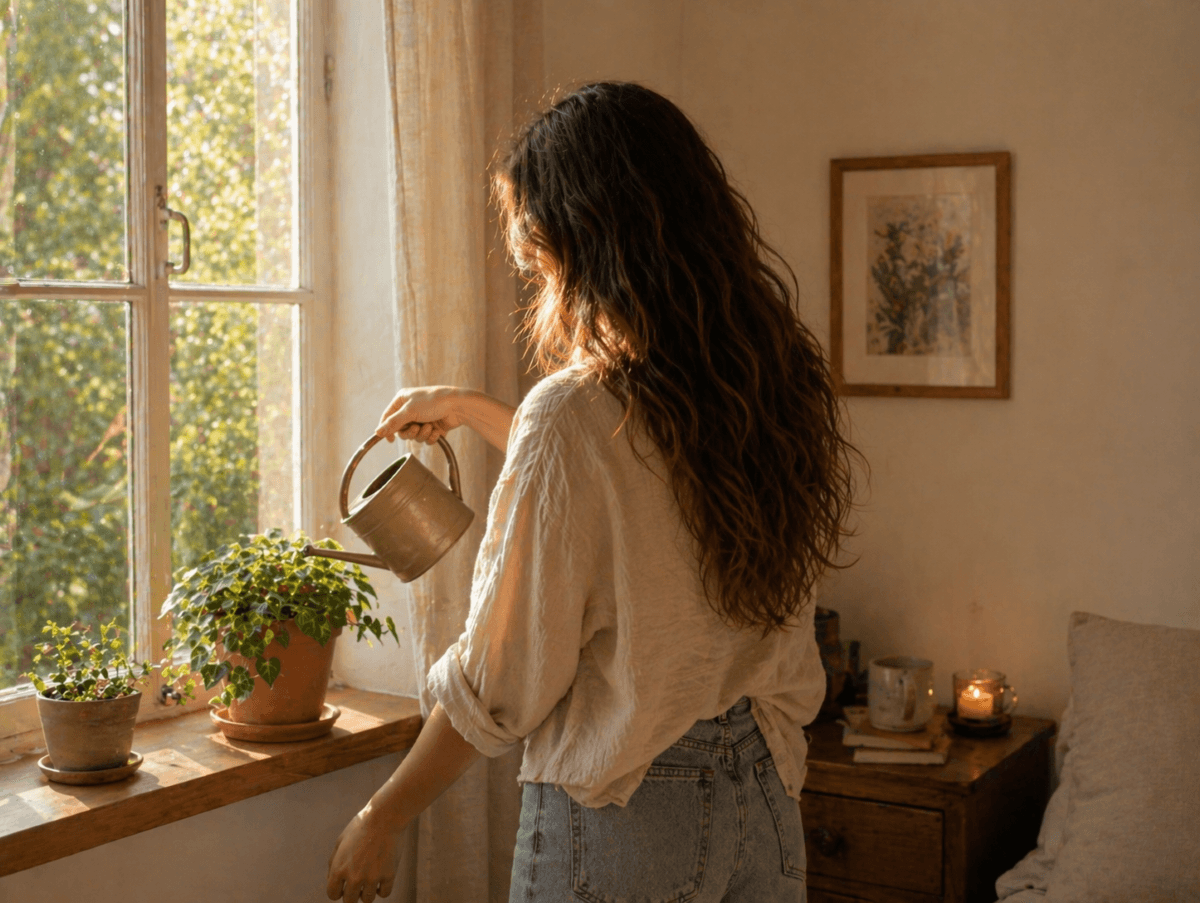
Overwatering is the most common cause of plant death because it disrupts their natural breathing process. When soil stays wet for too long, roots begin to decay and rot, and the plant weakens over time. This issue becomes even more severe when paired with pots that lack drainage, trapping excess moisture around the roots. That’s why Consistent, moderate watering habits can protect your indoor plants from long-term damage and support vibrant, healthy growth.
Incorrect Lighting and Wrong Placement
Incorrect lighting is another critical factor behind struggling indoor plants. Some plants require bright indirect sunlight, while others thrive in low-light conditions, making placement a key part of plant care. Placing a shade-loving plant in strong sunlight or a light-hungry plant in a dark corner leads to weak, leggy growth. Choosing the right light level for each plant can instantly improve its colour, strength, and overall health.
Ignoring Humidity and Temperature Needs
Many indoor plants originate from tropical regions, where humidity and temperature remain stable throughout the year. Dry air from air-conditioning or heating systems can cause brown tips, crispy leaves, and reduced growth; That’s why you have to maintaining a consistent environment to help your green plant and avoid these common houseplants care mistake. Consider simple measures such as grouping plants together or using a humidifier to boost overall moisture levels and protect delicate foliage.
Choosing the Wrong Soil Type
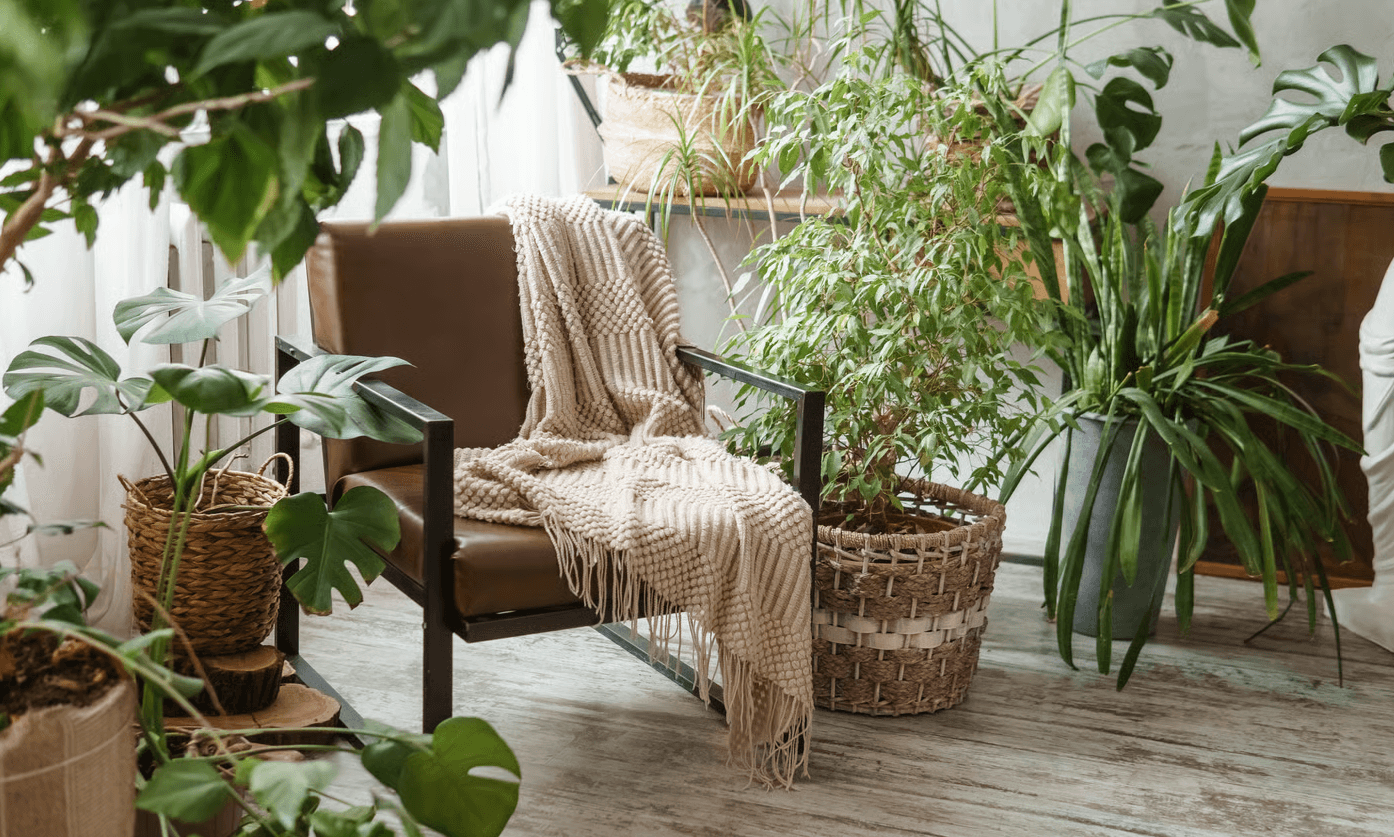
Another frequent houseplant care mistake is using unsuitable soil that does not match a plant’s needs. Heavy soil retains water for too long, increasing the risk of rot, while overly sandy soil drains too quickly. Each plant type benefits from a specific soil mix that balances drainage and moisture retention.
Using Pots Without Drainage
Pots without drainage holes are a silent but serious threat to your houseplant’s health. Without drainage, excess water accumulates at the bottom of the pot, leading to fungal issues and damaging the root system. This environmental stress eventually weakens the plant, even when watering habits are moderate and careful. Choose pots with proper drainage to give your indoor plants the breathable environment they need for long-term vitality.
Quick Solutions to Revive Unhealthy Plants
How do you keep houseplants healthy? Reviving a struggling houseplant starts with identifying the root cause and adjusting care routines accordingly. Cutting back on watering, improving light exposure, or refreshing the soil often leads to remarkable recovery. Trimming dead leaves also helps redirect energy to healthy parts of the plant. These simple, consistent care habits support long-term plant wellbeing and transform your indoor space into a thriving green sanctuary.
Avoiding these common houseplants care mistakes can significantly improve the lifespan and beauty of your indoor plants. By understanding their needs—water, light, soil, humidity, and proper pots—you create an environment where they can flourish naturally.