As temperatures begin to soften in autumn and winter, weekends outdoors take on a different rhythm. Families pack the car, gather around the fire, prepare Arabic coffee and tea, and head out for a desert camping trip, or kashta, to enjoy the cooler weather together. A little preparation goes a long way, especially when children are coming along, turning a simple family road trip into a comfortable experience where everyone can enjoy the open landscape and slower pace of the desert.
When Does Desert Camping Season Start in Saudi Arabia?
Desert camping season in Saudi Arabia generally begins around November and continues through March, when cooler temperatures make spending long hours outdoors more comfortable. This is when kashtas become a favorite weekend activity, bringing families and friends together in the desert for food, coffee, conversation, and time under the open sky. Conditions can vary considerably between regions, however, so checking the local weather should always be part of planning a desert camping trip.
Safety Essentials Come First
Safety should always come before the picnic blankets and coffee pot when preparing for a desert camping trip. Check the weather forecast, choose your camping area carefully, tell someone where you are going, and avoid valleys, low-lying areas and known flood channels, particularly when rain is forecast. For sandy or remote terrain, a suitable, well-maintained 4x4 is essential, along with reliable navigation and communication tools because mobile coverage may be limited in some areas.
Pack Plenty of Water and Easy Family Snacks
Water belongs at the top of any road trip packing list, and it is wise to bring more than you expect the family to drink, particularly when heading somewhere remote. Add easy snacks such as dates, fruit, sandwiches, nuts and other foods your children already enjoy, while keeping meat, poultry and other perishables properly chilled until cooking. If the kashta includes grilling, keep raw ingredients separate and cook meat thoroughly so the family meal remains one of the best parts of the day.
Premium Chocolates & Sweet Treats

SAR 649
Patchi L'Edition Chocolate Box
SAR 189
Sweetzerland Heart Chocolate Box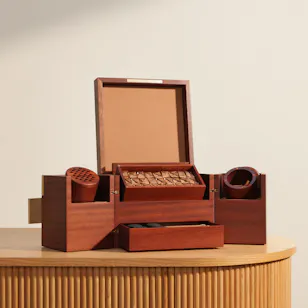
SAR 1,399
Levo Wooden Cube of Fragrance Serving Box
SAR 439
Abucci Chocolate Palm Box | 49 Pieces
SAR 220
Sweetzerland Elegant Chocolate Box
SAR 899
Patchi Premium Chocolates Gold Tray
SAR 329
Nua Stuffed Dates Signature Arabesque Box
SAR 620
Venchi Prestige Chocoviar and Cremino Chocolate Two-Layer Gift Box
SAR 149
Charbonnel et Walker Victorian Chocolate Truffles Box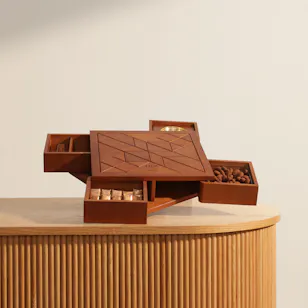
SAR 1,399
Levo Personalized Orbit of Poise Serving Box
Children’s Entertainment
How Do You Keep Children Entertained on a Desert Camping Trip? The desert itself can provide some of the best entertainment, so children do not need a bag overflowing with toys. Bring a football, cards, binoculars, coloring supplies or a favorite book, then encourage children to look at the landscape, watch the sunset and spot stars once darkness falls. Downloading a movie or favorite show before leaving can also help during the drive, but once you arrive, a desert camping trip offers a welcome opportunity for the whole family to spend less time around screens.
Bring the Comforts That Make a Kashta Feel Complete
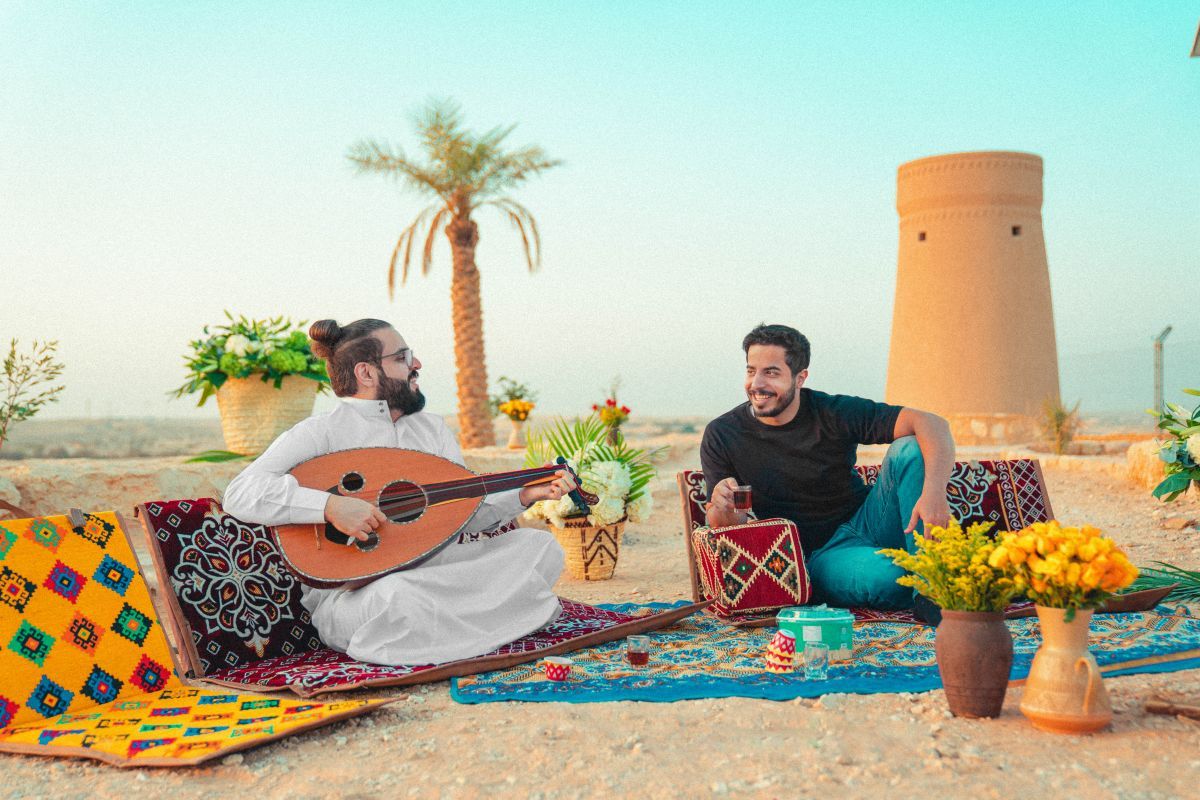
GCC winter evenings in the desert can become surprisingly chilly, which makes warm layers, blankets and comfortable seating important travel essentials. Traditional kashta gear can include a farwa for warmth, a sleeping mat or bedroll, and a riwaq or windbreak around the sitting area to provide shelter from the breeze. Add cushions, folding chairs, warm socks and extra layers for children, particularly younger ones who may feel the cold sooner than adults.
Do Not Forget the Coffee and Tea Setup
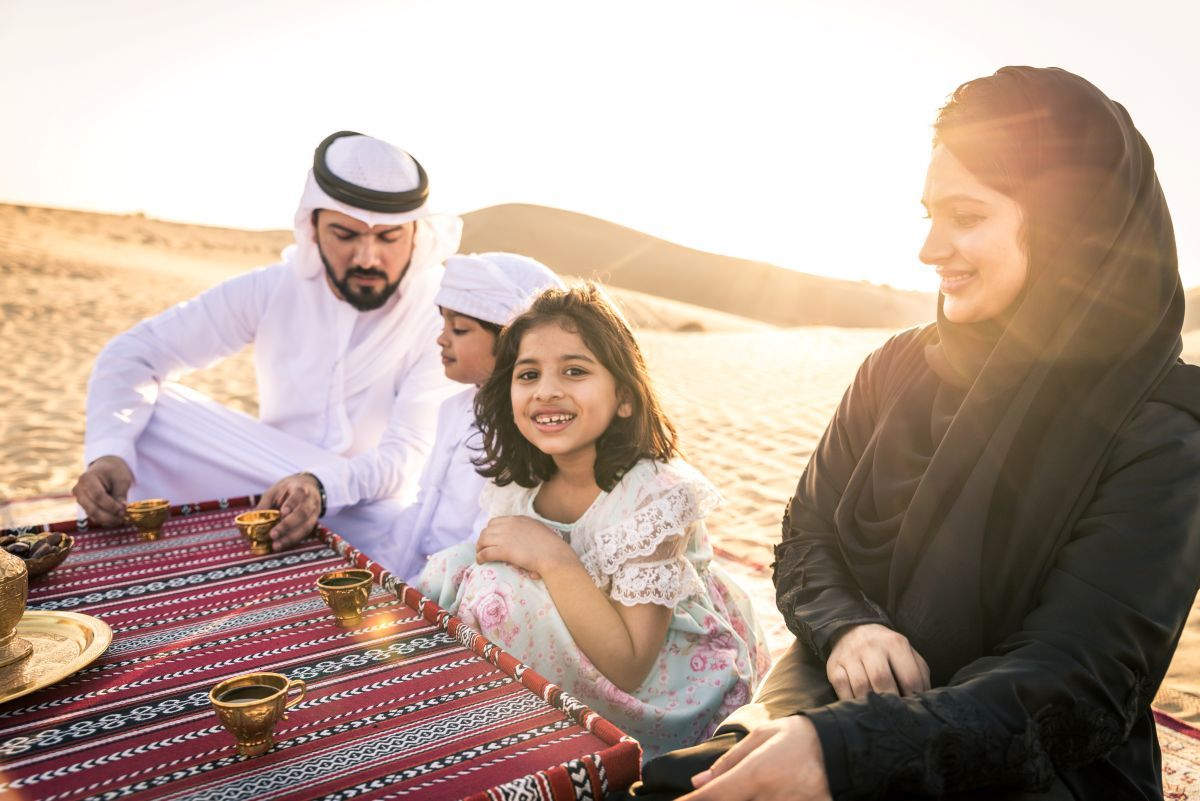
For many families, a kashta would feel incomplete without the familiar coffee and tea setup known among campers. Pack your dallah, coffee, tea, cups, dates and the cooking equipment you need, but treat fire as carefully as any other part of your desert camping trip. Fires and grills should remain outside enclosed tents, children should stay at a safe distance, and the fire should never be left unattended because burning charcoal or wood indoors can cause dangerous carbon monoxide exposure.
Premium Chocolates & Sweet Treats
SAR 649
Patchi L'Edition Chocolate BoxSAR 189
Sweetzerland Heart Chocolate BoxSAR 1,399
Levo Wooden Cube of Fragrance Serving BoxSAR 439
Abucci Chocolate Palm Box | 49 PiecesSAR 220
Sweetzerland Elegant Chocolate BoxSAR 899
Patchi Premium Chocolates Gold TraySAR 329
Nua Stuffed Dates Signature Arabesque BoxSAR 620
Venchi Prestige Chocoviar and Cremino Chocolate Two-Layer Gift BoxSAR 149
Charbonnel et Walker Victorian Chocolate Truffles BoxSAR 1,399
Levo Personalized Orbit of Poise Serving Box
What Emergency Supplies Should You Bring?
A practical road trip checklist should include a first-aid kit, flashlights, spare batteries, power banks, necessary medicines and basic supplies for treating minor wounds or burns. Before driving into the desert, inspect the vehicle and make sure navigation and communication devices are working, particularly if your destination is far from populated areas. Civil Defense authorities also recommend carrying backup mobile power and using GPS coordinates and appropriate communication equipment when traveling through remote desert areas.
Keep Children Safe Around the Camp
Children naturally want to run, climb and investigate everything around them, so supervision remains one of the most important family travel tips. Encourage them to keep their shoes on, avoid touching wildlife and stay well away from fires, grills and cooking equipment. If desert bikes are part of the day, health guidance recommends appropriate protective equipment, suitable flat terrain and adult supervision for riders under 16, while younger children should also be protected from cold nighttime winds.
Respect the Desert You Came to Enjoy
Good desert camping trip preparation also means thinking about what you leave behind. Avoid driving over vegetation, dispose of rubbish properly, respect wildlife and use fires only where permitted, rather than collecting local firewood from the surrounding landscape. The environmental authorities specifically advise campers to use imported rather than local firewood and to leave their campsite clean, helping preserve the same open spaces that make winter kashtas so special.
The best family desert camping trip is rarely the one with the most equipment; it is the one where the essentials have been considered before the car leaves home. A thoughtful road trip checklist covering safety, food, water, warmth, children's activities and emergency supplies leaves less to worry about once you arrive. With those details handled, the evening can return to what kashta season is really about: family conversations, hot coffee, open skies and unhurried time together.