
From temple walls to royal tombs, ancient Egyptian flowers were more than just beautiful decorations—they were messengers of deeper meanings. In a civilisation that revered nature’s rhythm and divine symbols, flowers played a central role in spiritual rituals, architecture, and personal expression.
Let’s wander through time and explore how Egypt’s blooms told stories of life, death, and everything in between.
The Sacred Flower of Egypt: The Lotus
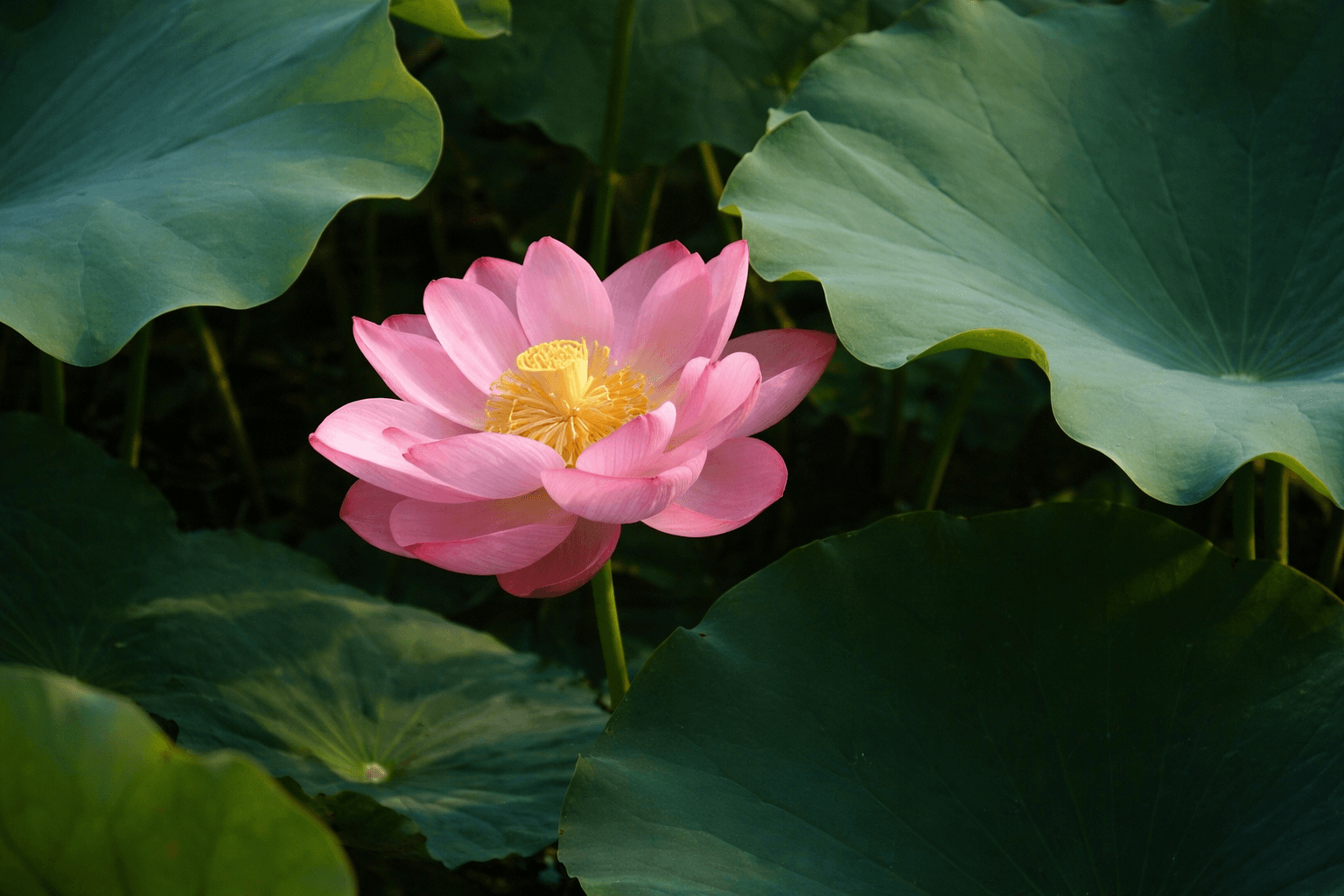
If one flower deserves a throne in Egyptian mythology, it’s the Sacred Egyptian Lotus. Scientifically known as Nymphaea caerulea or the blue lotus, this fragrant water flower wasn’t just admired—it was worshipped.
The lotus represented rebirth and creation. Every morning, it opened with the sun and closed at night, mirroring the solar cycle and reinforcing its sacred connection to Ra, the sun god. It was also closely linked to Nefertem, the youthful god of perfume, who was said to rise from a lotus at creation.
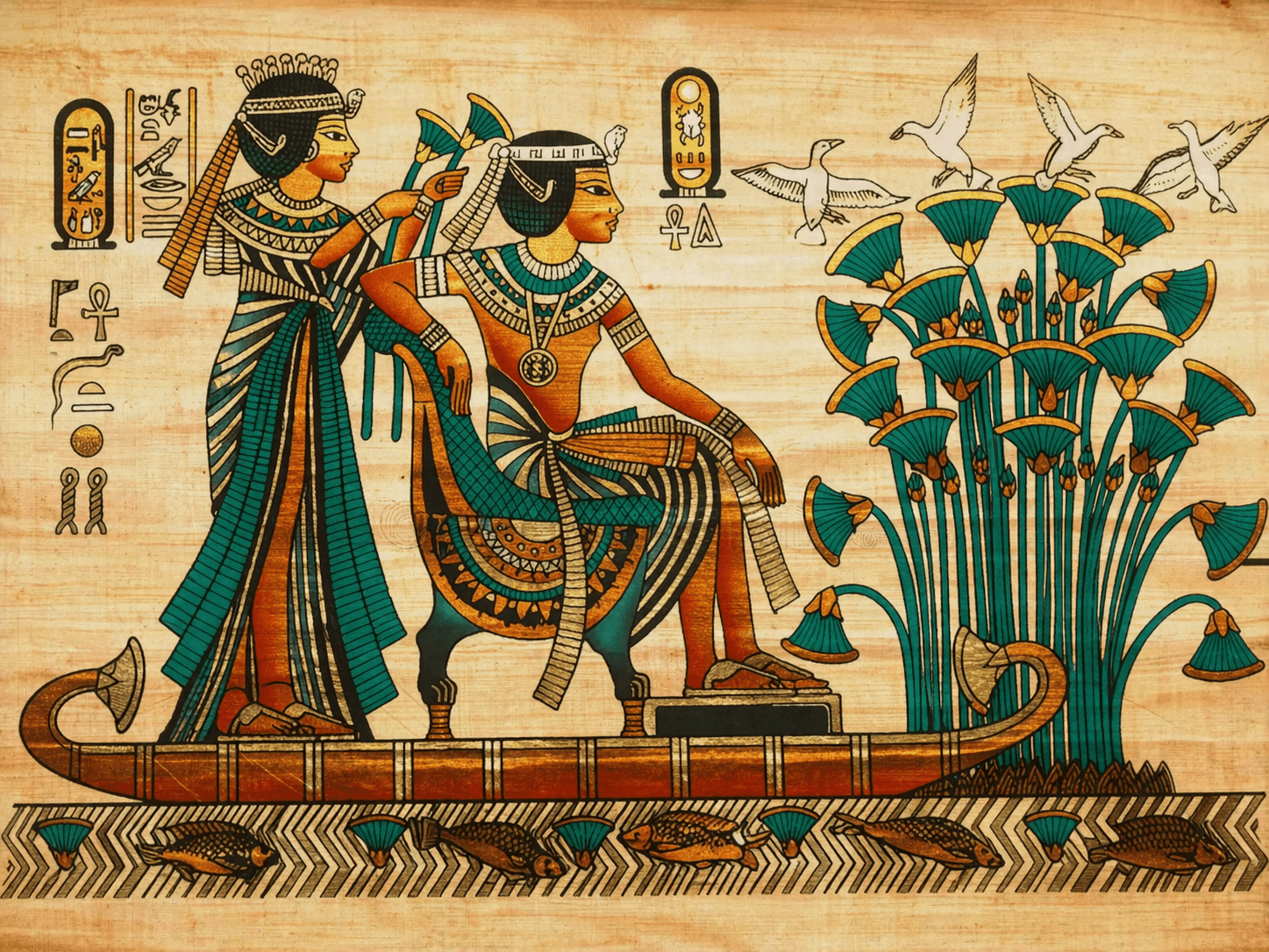
You'll find lotus blossoms carved into the stone of temple columns, painted on tomb walls, and clutched in the hands of gods in ancient artworks. It wasn't just a flower—it was a divine emblem that bridged the earthly and the eternal.
Flower Symbolism in Ancient Egypt
In ancient Egypt, flowers carried meanings that went far beyond their petals. They symbolised purity, protection, fertility, and resurrection. Whether tucked into offerings or placed gently beside a mummy, sacred Egyptian flowers were powerful spiritual tools.
Funeral rituals often included floral wreaths to honour the deceased and guide them through the afterlife. Temples were scented with garlands, and homes decorated with fragrant arrangements during festivals.
Curious about their modern-day meaning? Read our blog article on the topic.
Five Fascinating Facts About Flowers in Ancient Egyptian Mythology
- Lotus in Creation
Egyptians believed the first sun god emerged from a lotus flower blooming from the watery abyss—a poetic beginning for the world itself. - Nefertem – The God of Perfume
Ever the picture of youth and vitality, Nefertem’s lotus crown symbolised beauty, healing, and divine fragrance. - Floral Motifs in Architecture
Look closely at ancient pillars and you’ll see their tops resemble lotus or papyrus blooms—a design flourish rooted in floral reverence. - Use in Daily Life
From natural perfumes to hair oils and ornamental wreaths, flowers were woven into every aspect of Egyptian life. - Papyrus and Symbolism
Representing Lower Egypt, papyrus symbolised fertility, growth, and life—a contrast to the lotus, which represented Upper Egypt.
Flowers in ancient Egypt weren’t just visual flourishes—they were vessels of belief, culture, and cosmic order. Their legacy lives on in how we use flowers today: to honour, to celebrate, to mourn, and most importantly, to connect.