
Why does the Anthurium flower look almost too perfect—shiny, smooth, and almost artificial? This tropical plant is known for its glossy, heart-shaped “flowers” and deep green leaves, making it a favorite for indoor spaces. Native to rainforests, it brings a touch of nature into homes with minimal effort. Discover how to care for Anthurium properly and enjoy long-lasting, vibrant growth.
What Is the Anthurium Plant?
Anthurium is a tropical plant from the Araceae family, naturally found in the humid forests of Central and South America. In its natural habitat, it often grows as an epiphyte, meaning it attaches itself to other plants instead of growing in dense soil. This explains why anthurium prefers light, airy soil and good drainage indoors. Its thick roots are designed to absorb moisture and nutrients from the air, making humidity an essential part of anthurium plant care.
Why Is Anthurium Called the Flamingo Flower?
Anthurium is called the “flamingo flower” because of its unique shape and vibrant color. The glossy, heart-shaped spathe resembles the body of a flamingo, while the upright spadix in the centre looks like the bird’s beak. This visual similarity is what inspired its common name. The bright red and pink tones also reflect the tropical environment where flamingos are often found.
Read more: 13 Amazing Facts About Anthurium!
How to Care for Anthurium at Home
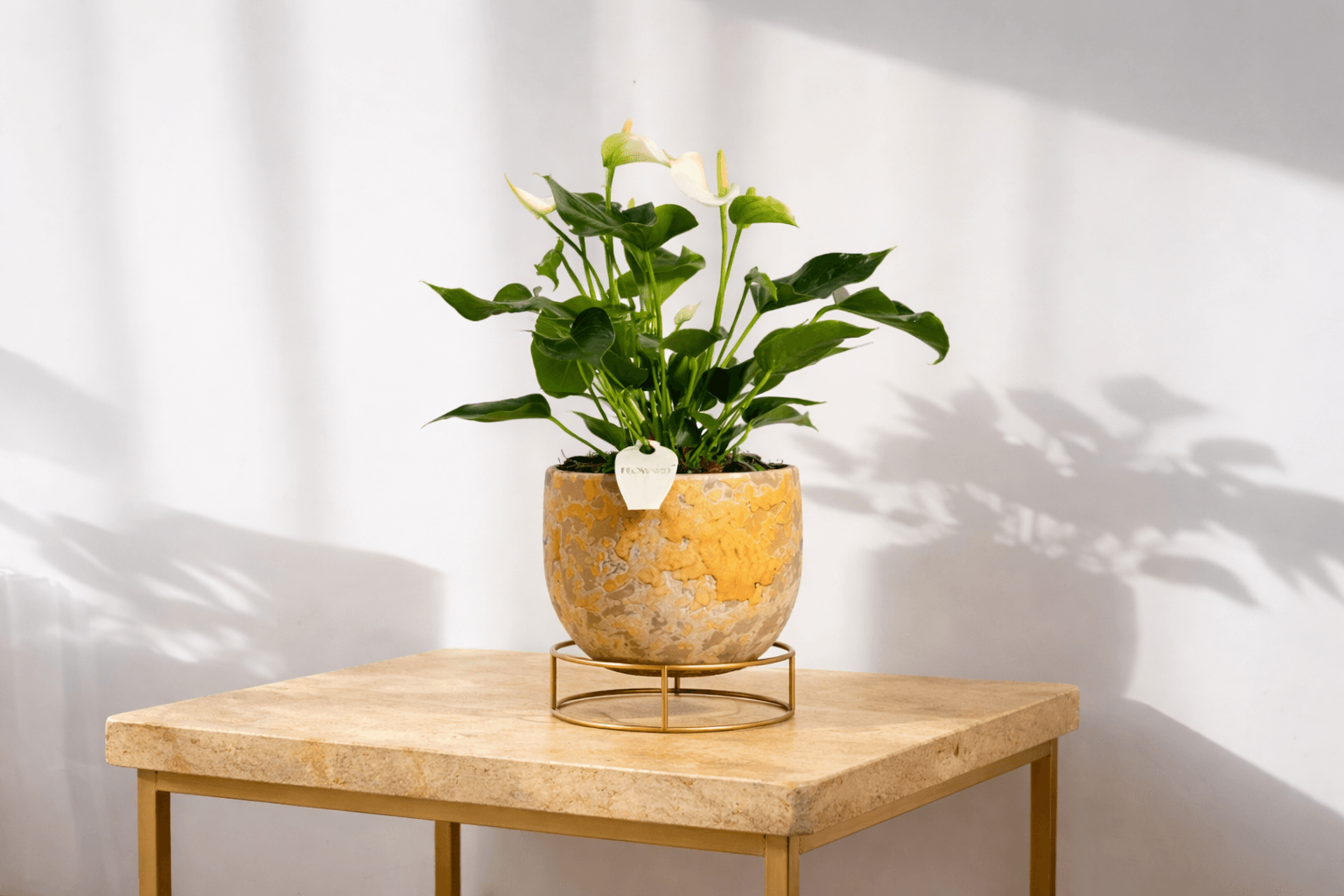
Caring for Anthurium is simple once you understand its tropical nature. Each care element supports healthy leaves and continuous flowering. Discover the essentials below to keep your plant thriving.
1. Soil: Anthurium needs light, airy soil that drains well. A mix of peat, orchid bark, and perlite works best because it allows roots to breathe. Dense soil can suffocate roots and lead to rot. Choose a loose mix to support healthy root development.
2. Light: Bright, indirect light is ideal for Anthurium plant care. Direct sunlight can burn the leaves, while low light reduces flowering. Place it near a window with filtered light for best results. Adjust positioning to maintain steady growth.
3. Watering: Water only when the top soil feels dry. Overwatering is one of the most common mistakes and can lead to root rot. Underwatering causes dull leaves and slow growth. Maintain balance by checking soil regularly.
4. Fertilizing: Use a balanced liquid fertilizer every 4–6 weeks during the growing season. This supports strong leaves and encourages flowering. Avoid overfeeding, as it can damage roots. Feed lightly but consistently.
5. Temperature & Humidity: Anthurium prefers warm temperatures between 18–28°C and high humidity. Dry air can cause brown leaf tips. Increase humidity using a tray of water or misting occasionally. Recreate a tropical feel indoors.
How to Make Anthurium Bloom
Healthy Anthurium plants can bloom throughout the year under the right conditions. Bright indirect light and regular feeding are key to encouraging flowers. Stress, such as low light or poor watering, can stop blooming. Improve care conditions to stimulate new growth and blooms.
Why Is My Anthurium Not Flowering?
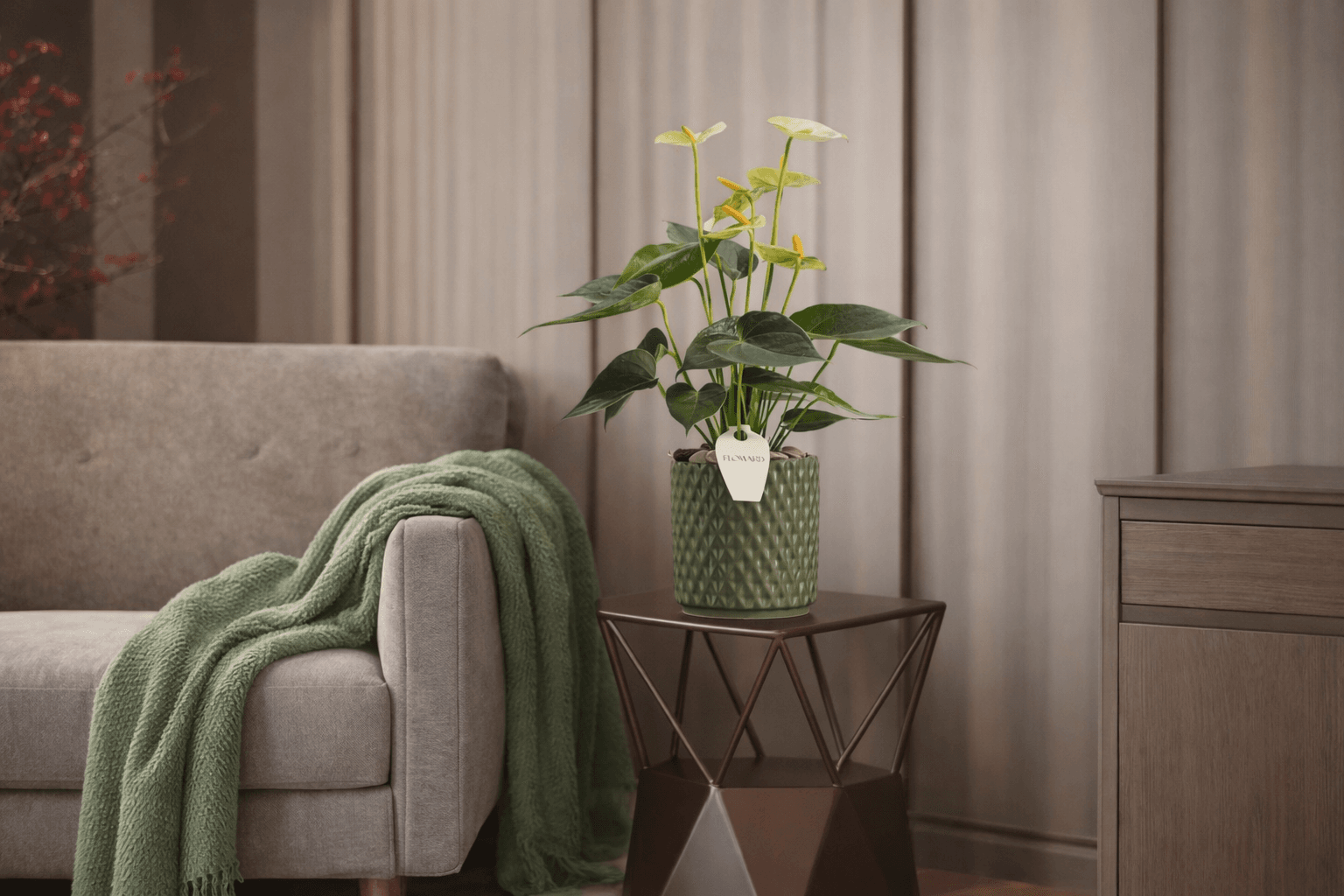
If your Anthurium plant is not flowering, the most common cause is insufficient light. It may also need more nutrients or better humidity levels. Sometimes, the plant simply needs time to mature. Review your care routine and adjust gradually for better results.
Common Problems and How to Fix Them
Even with proper Anthurium plant care, small issues can appear. Understanding them early helps prevent damage. Learn how to fix common problems easily.
- Yellow leaves: Often caused by overwatering
- Brown tips: Usually due to low humidity
- No flowers: Linked to poor light or feeding
- Root rot: Caused by soggy soil
- Adjust care habits to restore plant health quickly.
Is Anthurium Safe at Home?

Anthurium contains calcium oxalate crystals, which can be toxic if ingested by pets or children. It may cause irritation if touched or eaten. Keep the plant out of reach and handle it with care. Create a safe environment while enjoying its beauty.
Read more: The Best Pet-Friendly Flowers & Plants
Quick Tips to Keep Your Anthurium Healthy
Consistent care makes a big difference in Anthurium plant care. Small habits help maintain long-term health and beauty. Follow these simple reminders to keep your plant thriving.
- Avoid direct sunlight
- Water only when needed
- Maintain humidity
- Use well-draining soil
Anthurium is one of the easiest tropical plants to care for when its basic needs are understood. With the right balance of light, water, and humidity, it can thrive and bloom beautifully. This plant rewards consistency with long-lasting color and elegance. Start growing Anthurium today and enjoy a touch of tropical charm at home.