

As the weather cools and daylight fades, indoor flowers and plants respond in quiet, subtle ways. Winter may not bring the extremes of freezing climates, but even a drop in temperature and light can change how plants grow—and how they should be cared for.
To keep indoor plants and flower arrangements looking fresh and vibrant, a few seasonal adjustments can make all the difference. Let’s explore them together!
1- Adjust Light Exposure
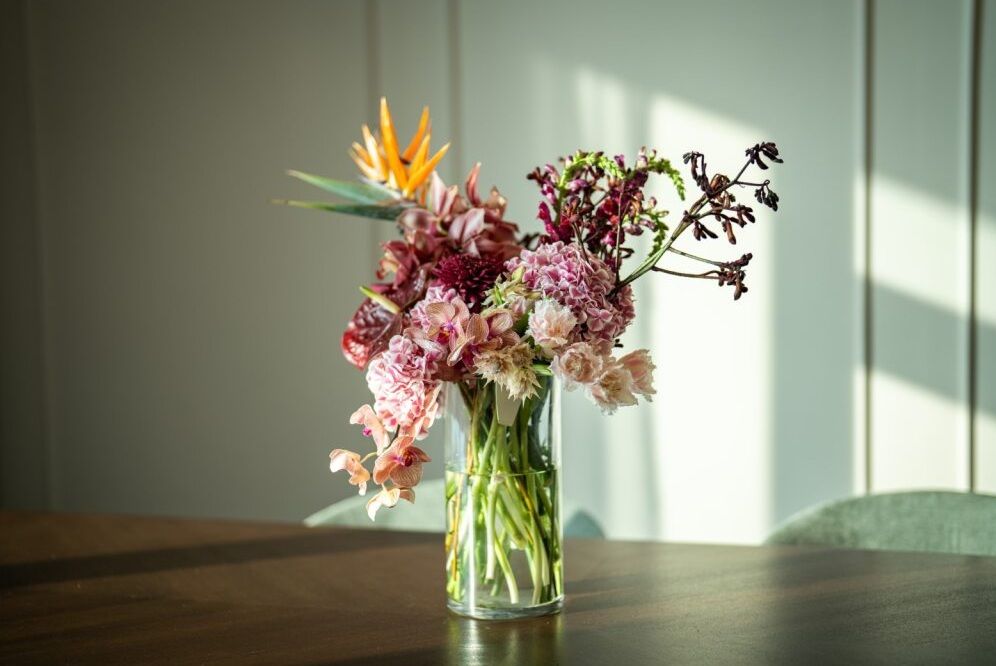
Winter brings shorter days and weaker sunlight, making it essential to rethink how and where indoor plants get their light. Moving plants closer to a sunny window helps them absorb as much natural light as possible during limited daylight hours. It’s also a good idea to rotate pots every few days to encourage even growth and prevent leaning.
Clean windows can improve light exposure by up to 30%, so a quick wipe-down can help more than expected. If natural light is limited, consider using full-spectrum grow lights—especially for flowering plants that need strong light to thrive.
2- Watering: Slow Down, But Don’t Stop
With cooler temperatures and slower growth, indoor plants typically need less water in winter. Overwatering becomes a common mistake during this season. The best approach is to check the soil before watering—stick a finger about an inch deep into the pot. If it feels dry at that level, it’s time to water. Otherwise, wait a few more days.
Always use room-temperature water to avoid shocking the roots. For cut flowers in vases, change the water every two days and trim the stems slightly to keep them fresh longer.
3- Watch the Temperature

Most indoor plants are sensitive to sudden temperature shifts. Try to maintain a consistent room temperature between 18°C and 24°C. Avoid placing plants near heaters, radiators, or air conditioning units, as these can dry out leaves or cause thermal stress.
Cold drafts from windows or doors can also harm delicate plants. If a plant is placed near a window, make sure the leaves aren’t touching the glass. Even a short contact with a cold surface can lead to browning or blackening.
4- Maintain Humidity
Indoor air tends to get dry in winter, especially when heating is used. Many houseplants—especially tropical varieties—prefer a more humid environment. Dry air can lead to crisp leaf edges or slow, patchy growth.
To raise humidity, group plants together or place their pots on a humidity tray (a shallow tray filled with pebbles and water). Light misting can help, but avoid soaking the leaves. Using a small humidifier nearby is another effective option for more sensitive plants.
5- Don’t Fertilize Heavily
Winter is a resting period for many plants. Growth slows, and energy needs decrease. Adding too much fertilizer can lead to salt buildup in the soil or leaf damage. Unless a plant is actively growing or flowering, skip regular feeding during the colder months.
If necessary, use a diluted, balanced liquid fertilizer once a month—at half strength—to avoid overstimulating the roots.
Care Tips for Cut Flowers Indoors
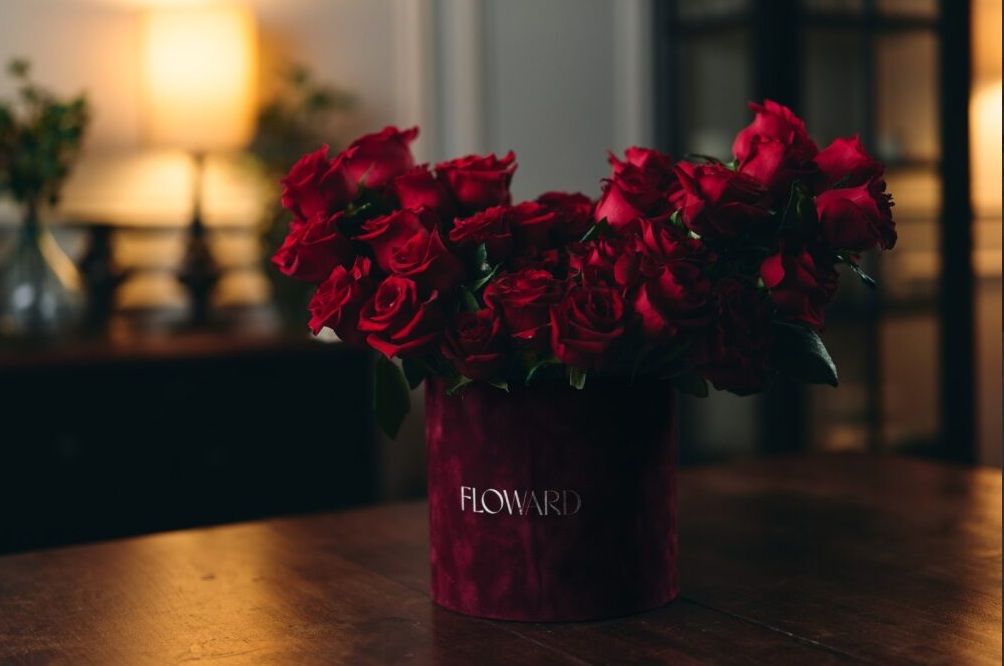
Fresh flowers bring cheer to any room during winter, but they also need special attention.
- Always start with a clean vase and fresh water.
- Trim the stems at a diagonal angle every two days to help with water absorption.
- Keep arrangements away from heaters, windowsills, and direct sun.
- Remove any wilted petals or leaves below the waterline to prevent bacterial growth. Adding a packet of flower food or a teaspoon of sugar can extend their freshness slightly, but clean water remains the top priority.
Common Winter Issues (and Simple Fixes)
Even with care, plants may show signs of seasonal stress. Here’s how to troubleshoot:
- Yellow Leaves: Usually caused by overwatering or poor drainage. Check soil moisture and pot holes.
- Leaf Drop: Often linked to sudden temperature changes or drafts.
- Dry Leaf Tips: A sign of low humidity. Try misting or use a humidity tray.
- Mold on Soil: Caused by excess moisture and poor airflow. Allow soil to dry out, and improve ventilation.
- Observing plants closely helps catch issues early. Most problems can be corrected with minor changes in routine.
Winter care for indoor flowers and plants is all about balance—more light, less water, stable warmth, and a touch of humidity. With just a few thoughtful adjustments, it’s possible to keep greenery healthy and vibrant throughout the season. Flowers will continue to bloom, and indoor plants will stay strong, bringing life and beauty to every corner of the home.