
With beautifully patterned leaves and an easygoing nature, the Aglaonema plant brings color and character to almost any indoor space. It is often chosen for its decorative appearance, yet there is much more to this tropical plant than first meets the eye. Its story begins beneath dense forest canopies and includes unusual flowers, colorful berries, and centuries-old associations with good fortune. These fascinating Aglaonema plant facts reveal why it has become such a popular houseplant.
What Is an Aglaonema Plant?
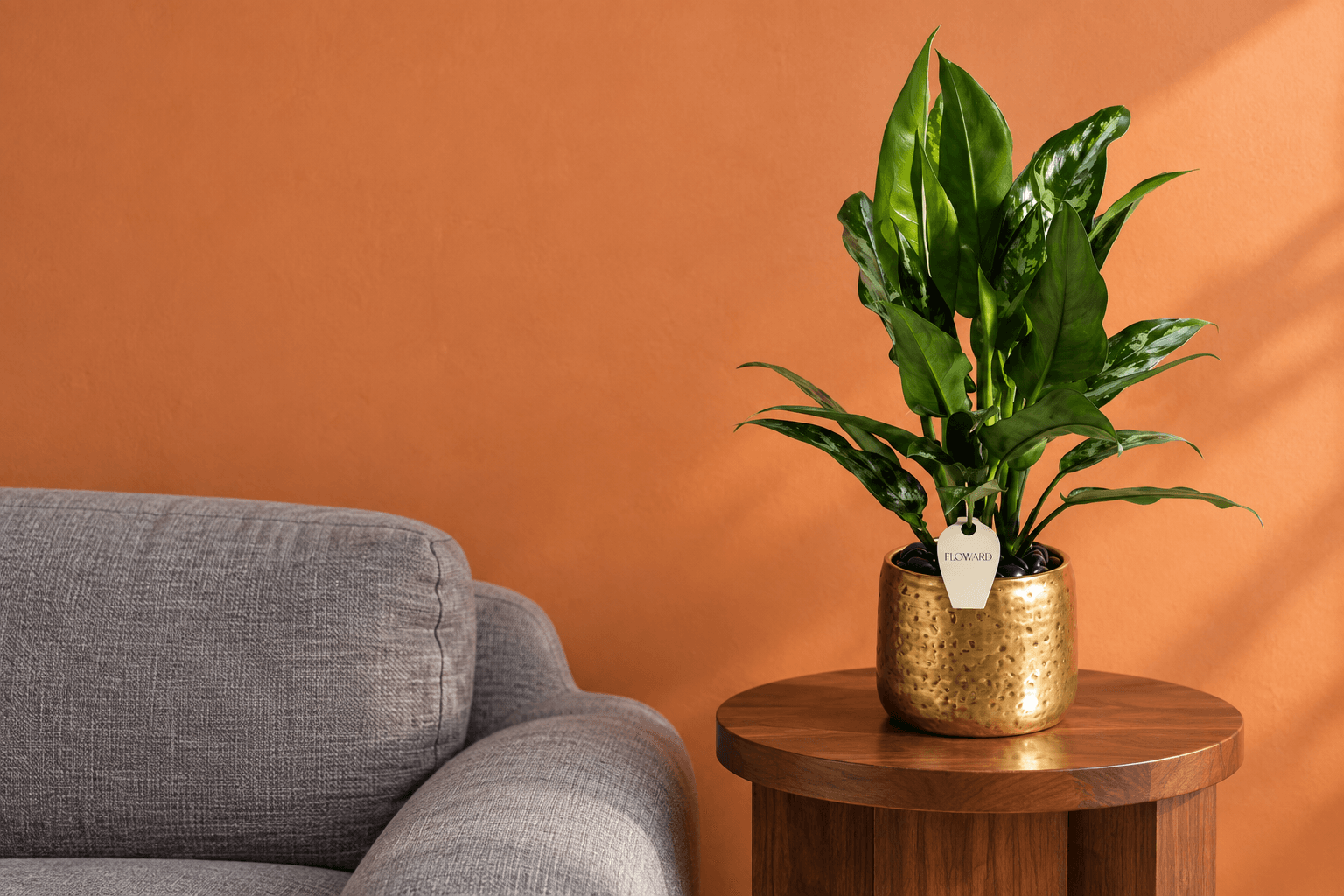
Aglaonema is a genus of evergreen tropical plants belonging to the Araceae family, which also includes peace lilies and philodendrons. Commonly known as the Chinese evergreen, it grows naturally from northeastern India through Southeast Asia and as far as Papua New Guinea. In the wild, the Aglaonema plant usually grows close to the forest floor, where taller trees filter much of the sunlight. This habitat explains several of its most recognizable characteristics.
Style Your Space with Elegant Plants

EGP 1,000
Elegant Bonsai Tree Pot
EGP 2,549
Purple Orchid Plant Pot
EGP 1,215
Bamboo Plant Vase | 5 Lucky Bamboo
EGP 3,043
Fleur The Story of Love Chocolates Book | Catmint Candles Triple Wicked Floral Candle and Plant
EGP 1,262
Cheerful Croton Plant
EGP 4,650
Enchanting Pink Orchid Plant
EGP 850
Dieffenbachia Tropic Plant Pot
EGP 5,600
Happy Birthday Orchid Plant
EGP 699
Zamioculcas Plant Pot
EGP 1,630
Charming Zamioculcas Plant Pot
1. Its Name Reflects Its Beautiful Appearance
The botanical name Aglaonema comes from words associated with brightness and beauty. The Greek word aglaos can mean bright, splendid, or beautiful, while nema refers to a thread. Although the precise reference behind the name is botanical, its meaning feels especially appropriate for a plant with such striking foliage. From silver markings to vivid red edges, the leaves often appear as though they have been carefully painted by hand.
2. It Comes From Shaded Tropical Forests
The Aglaonema plant is native to warm, humid forests where it grows beneath a dense canopy of trees. It naturally receives filtered sunlight rather than intense direct rays, allowing it to use limited light efficiently. This adaptation is one reason it has become one of the most dependable low-light indoor plants. However, low-light tolerance does not mean that the plant can remain healthy in complete darkness, as every plant still needs light for photosynthesis.
3. Its Leaves Come in an Unexpected Range of Colors
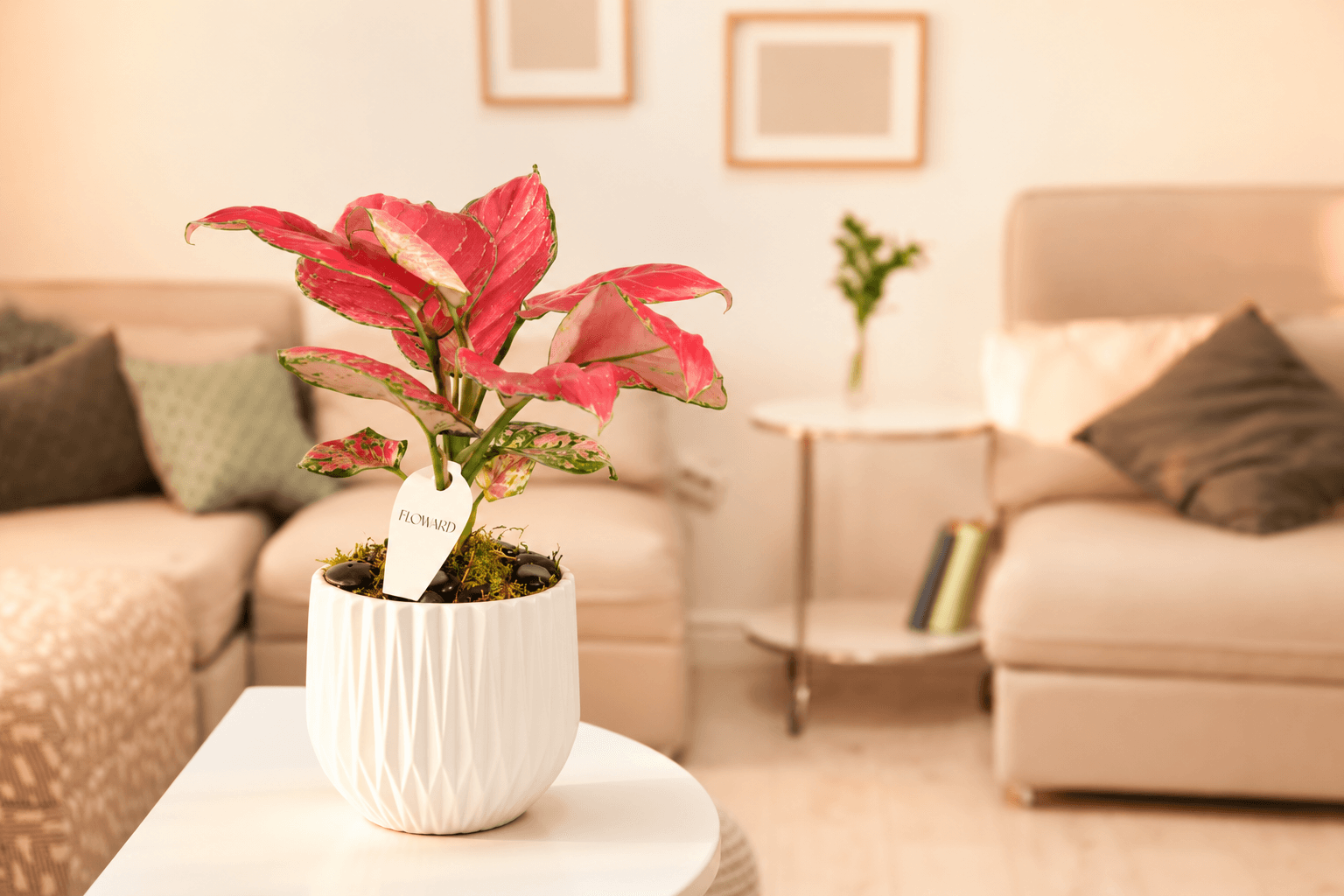
Not every Aglaonema plant is simply green. Depending on the variety, its foliage may feature silver, cream, white, pink, red, or burgundy patterns against different shades of green. Popular varieties include Silver Bay, Silver Queen, Lady Valentine, and Siam Aurora, each offering a noticeably different appearance. This extensive color range allows Aglaonema houseplants to complement many interior styles, from calm neutral rooms to colorful contemporary spaces.
Elegant Home Décor Gifts

EGP 4,643
Hedeya Luxury Dates Serving Plate
EGP 1,580
Nno Organica Black Small Rough Vase
EGP 1,950
Candle Connection Tear Drop Set
EGP 3,145
Kin Suki Coastal Bloom Multipurpose Plate
EGP 11,225
Floward Black Opal Unique Glass Vase
EGP 6,299
Floward Eclipse Bloom Glass Vase
EGP 500
Atom Beige Pottery Coaster For Cups
EGP 2,384
Nno Pebbles White Dotted Pink Vase
EGP 4,786
Splendour Oud Set Box
EGP 6,858
Kate Spade Safari Floral Mug
4. Leaf Color Can Reveal How Much Light It Needs
The color of an Aglaonema plant can offer a useful clue about its preferred lighting conditions. Dark green and silver varieties usually tolerate lower light levels because their leaves contain more green chlorophyll. Varieties with large areas of pink, red, or cream generally need brighter indirect light to preserve their vivid coloring. Too little light may cause their colors to fade, while strong direct sunlight can scorch the leaves and create pale or dry patches.
5. The Aglaonema Plant Can Produce Flowers
Aglaonema is mainly appreciated for its foliage, but it is also a flowering plant. Its bloom consists of a central spike called a spadix surrounded by a modified leaf called a spathe, giving it a structure similar to a small peace lily flower. The bloom may be greenish, white, or cream and can easily be mistaken for a new leaf as it begins to appear. Indoor plants may flower during warm, bright conditions, although flowering is not guaranteed.
6. Its Flowers May Develop Into Colorful Berries
When an Aglaonema flower is successfully pollinated, it may produce small berries instead of simply fading away. These fruits usually begin green and can gradually turn yellow, white, or bright red as they mature, depending on the species. Their appearance can be particularly surprising because many people do not expect a familiar foliage plant to produce fruit. The berries are strictly ornamental and should never be treated as edible fruit.
7. Aglaonema Has Been Associated With Good Fortune for Centuries

The Aglaonema plant has been cultivated in China and other parts of Asia for centuries, where it became associated with prosperity, luck, and a long life. Its common name, Chinese evergreen, reflects both that history and its ability to maintain attractive foliage throughout the year. These positive meanings have also helped make it a thoughtful housewarming or congratulatory gift. Its symbolism gives the plant emotional value beyond its decorative appeal. In general, the indoor plants you prefer can reveal aspects of your personality, from calmness and confidence to creativity. Discover what your Aglaonema plant says about your personality.
8. Aglaonema Is Easygoing but Surprisingly Sensitive to Cold
Despite its reputation as a hardy and low-maintenance houseplant, Aglaonema is sensitive to cold temperatures. Its tropical origins mean that it prefers a consistently warm environment without sudden temperature changes. Exposure to cold drafts may lead to dark, water-soaked patches that later become brown or damaged. Keep the plant away from frequently opened doors, cold windows, and direct air-conditioning, especially when powerful cooling is used during hot weather.
Style Your Space with Elegant Plants
EGP 1,000
Elegant Bonsai Tree PotEGP 2,549
Purple Orchid Plant PotEGP 1,215
Bamboo Plant Vase | 5 Lucky BambooEGP 3,043
Fleur The Story of Love Chocolates Book | Catmint Candles Triple Wicked Floral Candle and PlantEGP 1,262
Cheerful Croton PlantEGP 4,650
Enchanting Pink Orchid PlantEGP 850
Dieffenbachia Tropic Plant PotEGP 5,600
Happy Birthday Orchid PlantEGP 699
Zamioculcas Plant PotEGP 1,630
Charming Zamioculcas Plant Pot
9. Its Beautiful Leaves Can Irritate Pets
The leaves and stems of the Aglaonema plant contain insoluble calcium oxalate crystals, which can irritate the mouth and skin. If chewed by a cat or dog, the plant may cause drooling, oral discomfort, swelling, vomiting, or difficulty swallowing. It should therefore be placed beyond the reach of curious pets and young children. Wearing gloves while trimming or repotting can also help protect sensitive skin from contact with the sap.
Quick Aglaonema Care Tips

Although this plant is considered beginner-friendly, a few simple habits will help its foliage remain healthy and colorful:
- Light: Place it in bright, filtered light. Green varieties can usually tolerate dimmer areas, while red and pink varieties need more light to maintain their colors.
- Water: Allow the upper layer of soil to dry slightly before watering, as consistently wet soil may lead to root rot.
- Soil: Use a loose, well-draining potting mixture and choose a container with drainage holes.
- Temperature: Keep the plant in a warm room and protect it from cold drafts and direct air-conditioning.
- Humidity: Average household humidity is often sufficient, although moderate humidity can encourage healthier leaves.
- Feeding: Apply a diluted, balanced fertilizer during periods of active growth without feeding excessively.
- Cleaning: Wipe the broad leaves gently with a damp cloth to remove dust and reveal their patterns.
Is the Aglaonema Plant a Good Gift?
An Aglaonema plant can make a thoughtful gift for someone moving into a new home, decorating an office, or beginning their indoor gardening journey. Its lasting foliage and traditional association with good fortune add meaning without requiring complicated care. The wide choice of green, silver, pink, and red varieties also makes it easy to match the recipient’s taste. However, another plant may be more suitable if their pets frequently chew leaves.
The Aglaonema plant combines tropical origins, unusual flowers, vivid foliage, and impressive adaptability in one graceful houseplant. Knowing these fascinating facts makes its colors and behavior even more interesting, whether you already grow one or are choosing your first variety. With its positive symbolism and decorative appeal, Aglaonema also stands out among elegant gifts that continue bringing beauty to a home long after they are received.