The orchid on your windowsill has some unexpected relatives, including the climbing plant that gives us natural vanilla. Its family history reaches back to the age of dinosaurs, while its flowers come in shapes that resemble slippers, moths, and tiny dancing skirts. These orchid facts make an already beautiful plant even more interesting. You do not need gardening experience to appreciate them, just a little curiosity about what makes these flowers special.
1. Orchids Were Around With the Dinosaurs

The orchid family is much older than the potted plants we bring home today. A study published in 2024 estimated that it originated around 85 million years ago on Laurasia, an ancient landmass in the Northern Hemisphere. That means early orchids shared the planet with dinosaurs. This is a scientific estimate of the family’s beginnings, rather than evidence that today’s familiar orchid varieties looked exactly the same back then.
2. Where Do Orchids Come From?
Orchids come from many different parts of the world, and their natural surroundings depend on the species. Some grow on branches in tropical forests, while others grow in the ground in temperate regions. There are even orchids that make their home on rocks. So, although a flowering orchid might bring a rainforest to mind, the family includes plants adapted to a much wider range of environments.
This variety is useful to remember when you hear someone describe what “all orchids” need. A plant from a warm forest and one from a cooler habitat may have quite different growing requirements. Their shared family name does not make them identical. Knowing which orchid you have gives you a clearer picture of its background, even before you learn anything about looking after it.
Style Your Space with Elegant Plants



3. Thousands of Species Belong to One Family
Orchids belong to the plant family Orchidaceae, which includes roughly 30,000 wild species. A species is a distinct kind of plant, while a hybrid results from crossing different parent plants. Growers have developed many orchid hybrids with attractive colors, patterns, and flower shapes. This helps explain why two orchids can look strikingly different, yet still belong to the same family.
4. Popular Types of Orchids Worth Knowing
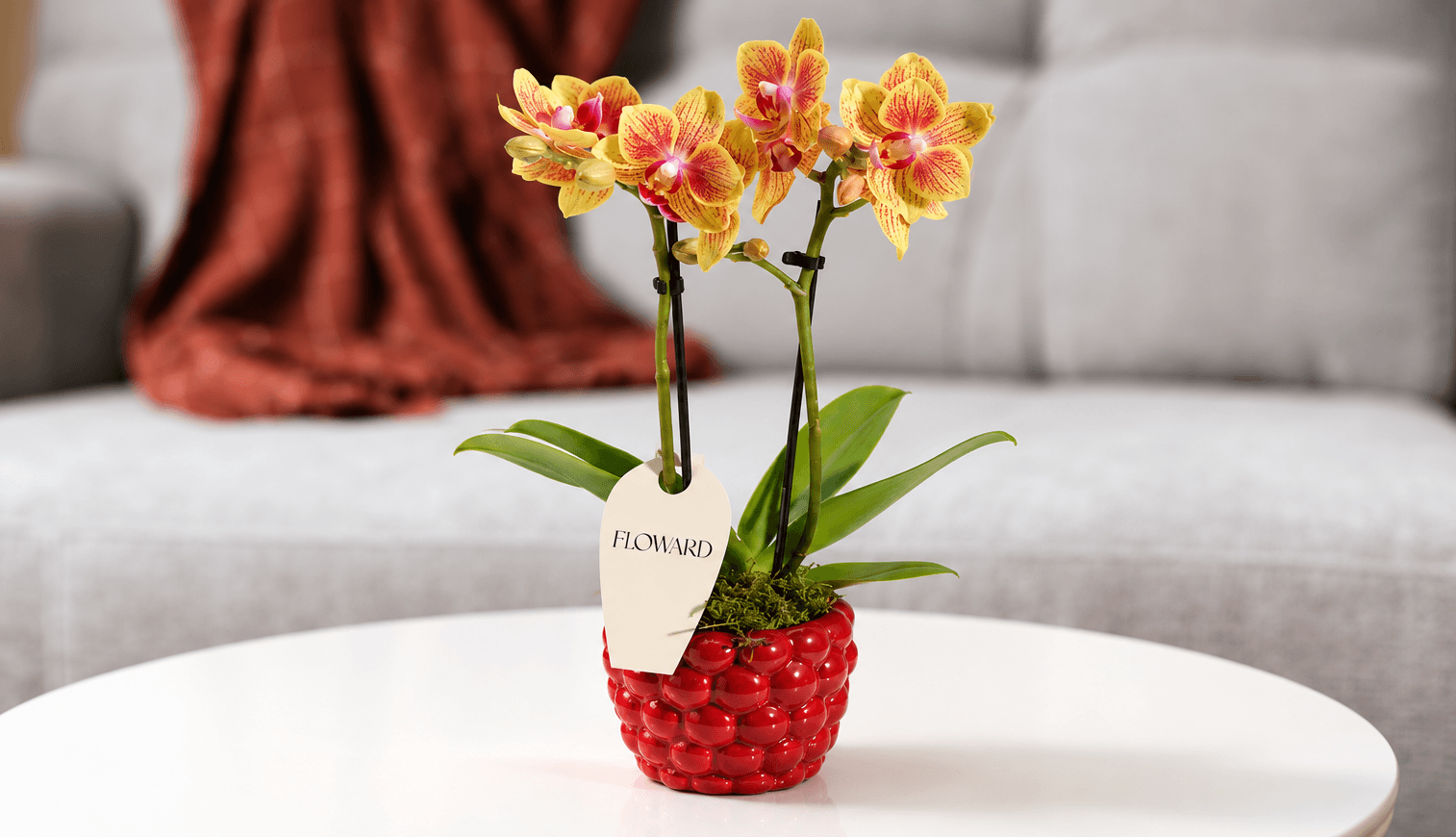
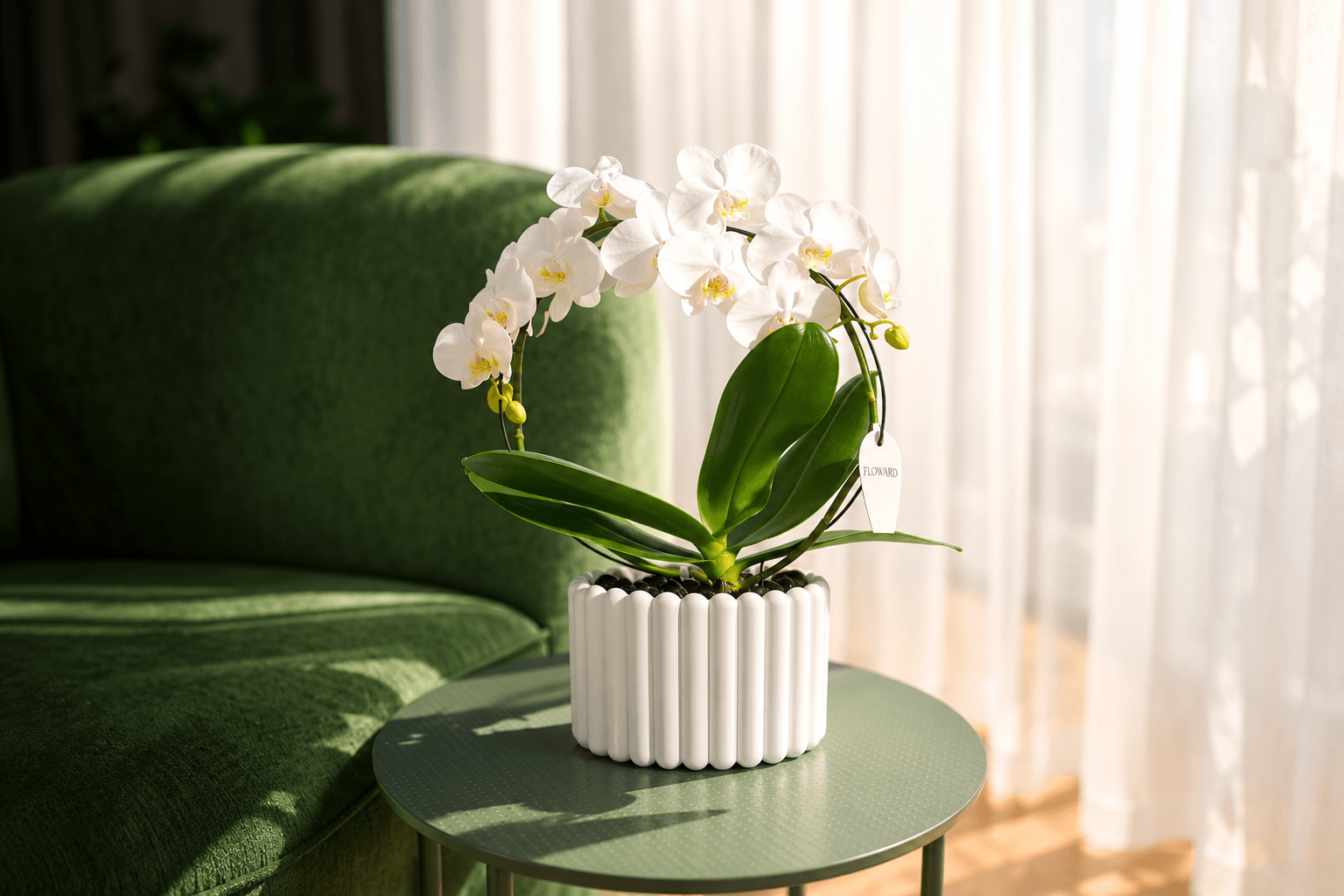
You do not need to memorize botanical names to enjoy orchids, but recognizing a few makes choosing and identifying them easier. Phalaenopsis, commonly called the moth orchid, is a familiar starting point and the most widely grown houseplant orchid. Other groups have their own distinctive features, from large, ruffled blooms to pouch-shaped flowers. The names below refer to genera, or groups of related orchids, rather than individual species.
| Orchid group | Common name | What makes it recognizable |
| Phalaenopsis: | Moth orchid | Broad flowers with a moth-like outline |
| Cattleya: | Corsage orchid | Showy flowers with a prominent lip; many are fragrant |
| Dendrobium: | Dendrobium orchid | Many familiar types have cane-like stems bearing flowers |
| Cymbidium : | Boat orchid | Long, arching leaves and stems carrying several flowers |
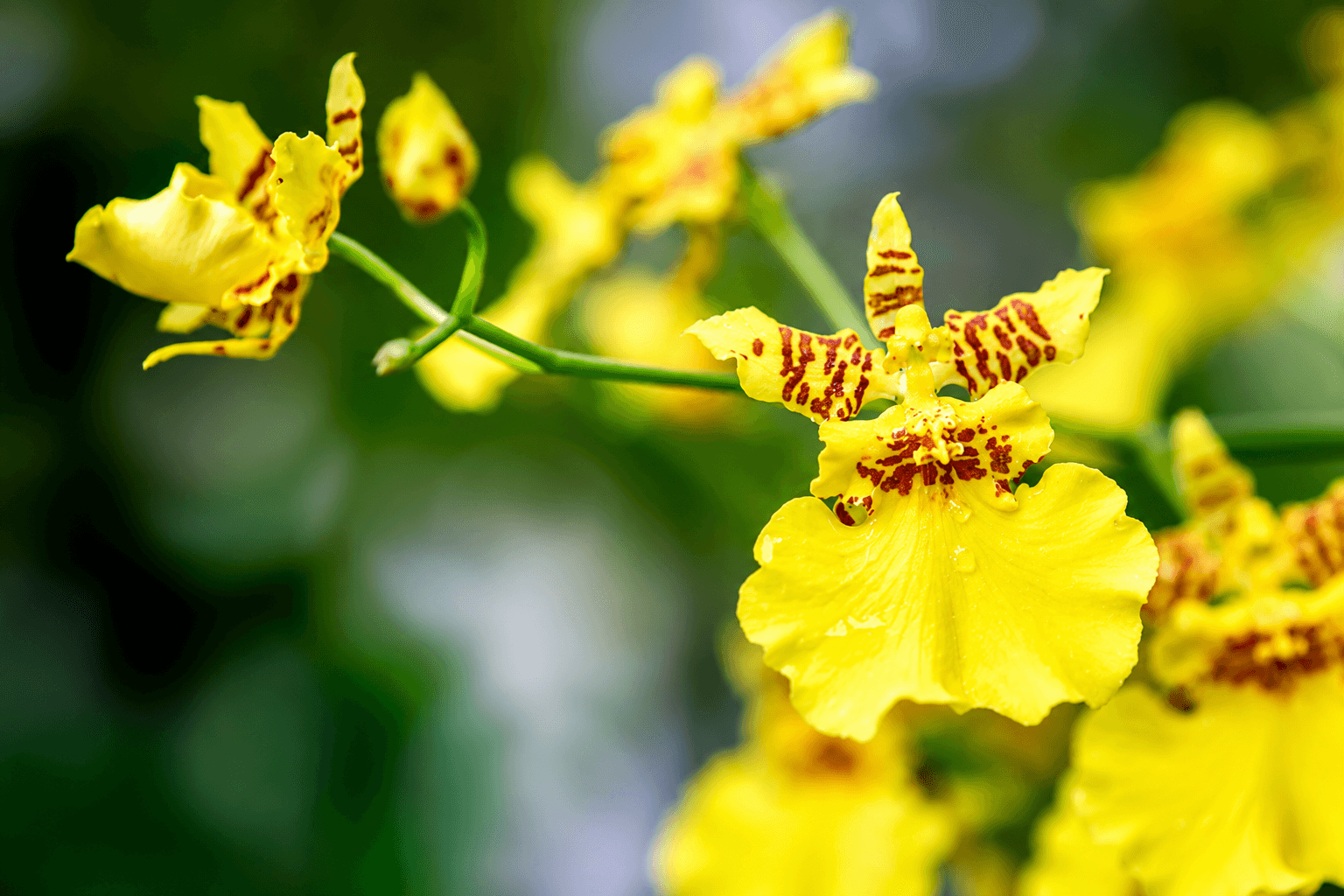
| Oncidium: | Dancing lady orchid | Many have flowers with lips resembling little dancing skirts |
| Paphiopedilum: | Slipper orchid | A distinctive pouch-shaped lip |
Color alone will not tell you which orchid group you are looking at. White, pink, and purple plants can all belong to Phalaenopsis, while unrelated groups may share similar shades. The plant’s label is a more dependable starting point than its color. Alongside these botanical differences, orchid flower meaning adds another layer of interest through the cultural associations attached to the flowers.
Style Your Space with Elegant Plants
5. Some Orchids Make Their Home on Trees
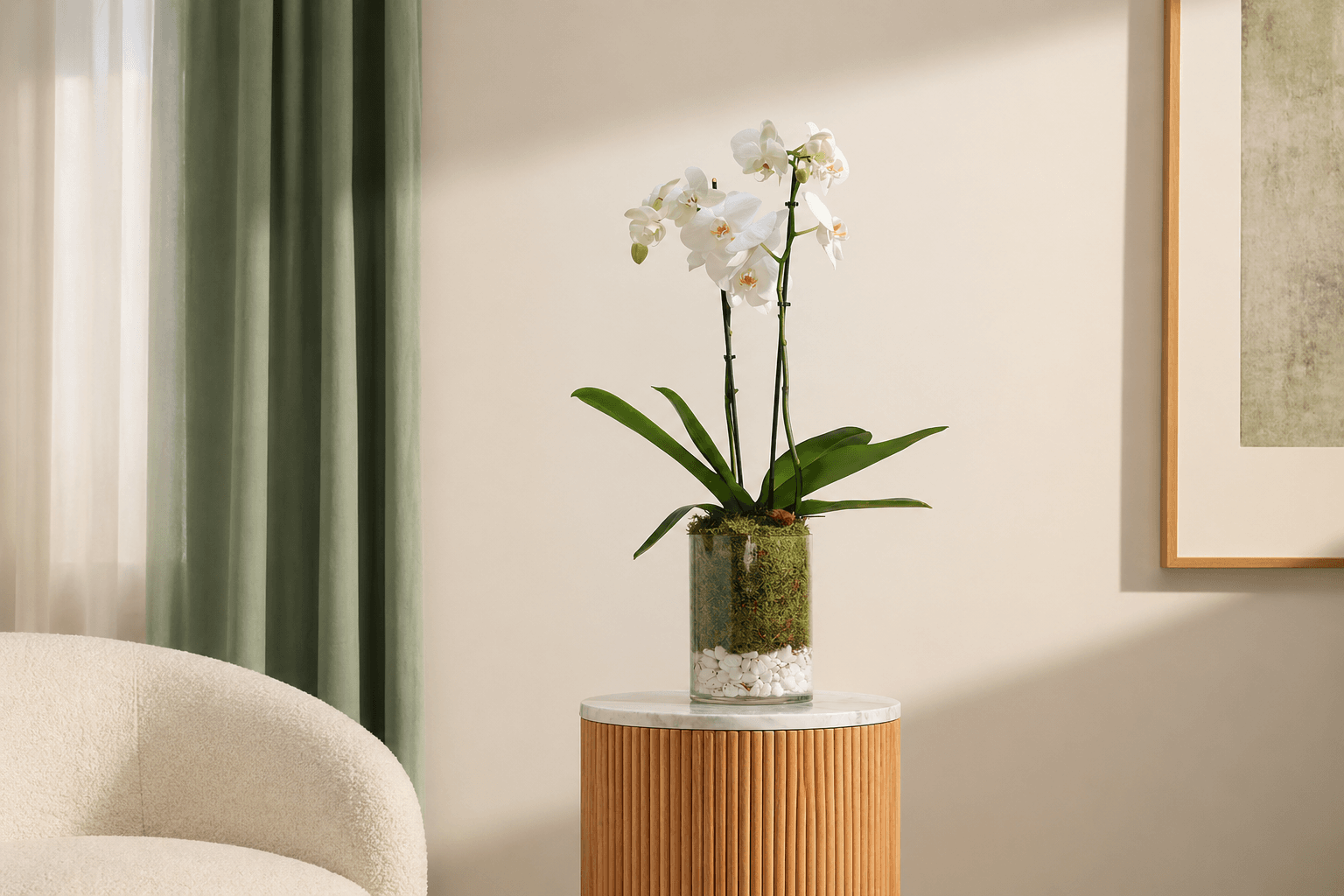
Many tropical orchids are epiphytes, meaning they grow on other plants for support. Think of a tree branch as somewhere to live rather than something to eat. These orchids receive moisture and nutrients from their surroundings instead of taking nourishment directly from the tree. Their exposed roots are part of their natural way of life, which makes them rather different from plants rooted in garden soil.
Understanding that background helps explain how to care for orchids, particularly why many familiar indoor types grow in airy, bark-based mixtures. Those mixtures suit a plant whose roots naturally have access to air. However, tree-dwelling orchids are only part of the family, so the same approach will not suit every species. The interesting lesson is that an orchid’s unusual roots often make more sense once you know where it comes from.
6. Natural Vanilla Comes From an Orchid

One of the most surprising orchid facts is hiding in your kitchen. Natural vanilla comes from the fruits of vanilla orchids, including Vanilla planifolia. The familiar vanilla pod is therefore a fruit, rather than a root or part of the flower itself. Vanilla orchids are climbing plants, so the small moth orchid on your table will not produce vanilla pods, however carefully you look after it.
7. An Orchid Flower Has a Special Lip
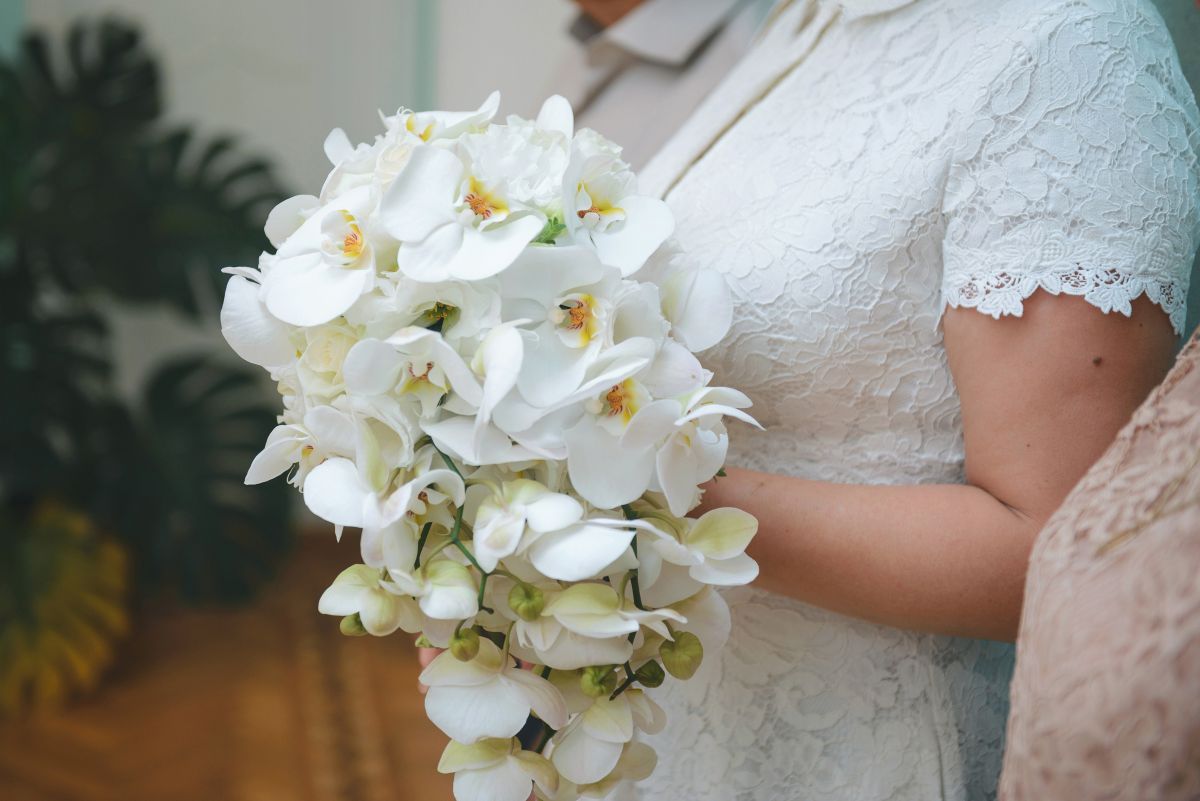
Look closely at an orchid flower and you will usually notice one petal that looks different from the others. This is called the lip, and it may be broad, frilled, brightly marked, or shaped like a pouch. Depending on the orchid, it helps attract, guide, or position a visiting pollinator. That eye-catching detail has a practical purpose as well as giving the flower much of its character.
8. Wild Orchid Seeds Need a Helping Hand
Orchid seeds are tiny and lack the stored food that helps many other seeds get started. In nature, they depend on suitable fungi to provide nourishment during germination. It is a remarkable beginning for a plant that may eventually produce such elaborate flowers. Specialist growers can also raise orchid seeds on sterile, nutrient-rich growing media, which explains why growing them is quite different from sowing ordinary garden seeds.
9. Some Orchids Smell Like Coconut

Orchid flowers can surprise you with more than their colors and shapes. Maxillaria tenuifolia, for example, produces a scent that resembles coconut, while Lycaste aromatica smells like cinnamon. Other orchids have little noticeable fragrance, so you cannot predict their scent from their appearance alone. These differences give you another way to enjoy orchids, with some flowers offering a familiar aroma alongside their beautiful blooms.
An orchid becomes more interesting when you know a little about its life beyond the pot. Its roots recall its natural habitat, while the shape of its flowers offers clues about visiting insects. Even a familiar bloom belongs to a family full of unexpected stories. Whether you enjoy orchids at home or choose them as elegant gifts, those small discoveries give you more to appreciate each time you notice a flower opening.