Choosing the right indoor plant pots is about more than finding something that looks beautiful in your home. The pot you choose can affect how quickly the soil dries, how healthy the roots stay, and how often your plant needs watering. While some plants thrive in breathable terracotta pots, others prefer containers that retain moisture longer. Understanding the differences between four popular types of indoor plant pots will help you give your greenery the care it deserves.
Style Your Space with Elegant Plants

KWD 33
Yellow Orchid Plant | Ceramic Pot
KWD 33
White Phalaenopsis Pot 
KWD 14
White Kalanchoe White
KWD 20
Dreamy Purple Spathiphyllum Plant
KWD 28
Duo Red Anthurium Plants
KWD 14
Scarlet Red Anthurium Aristo Plant
KWD 23
Elegant Yellow Spathiphyllum Plant
KWD 18
Glossy Purple Anthurium Plant
KWD 18
Pretty in Red Anthurium Plant
KWD 18
Delight White Kalanchoe Plant
1. Terracotta Pots
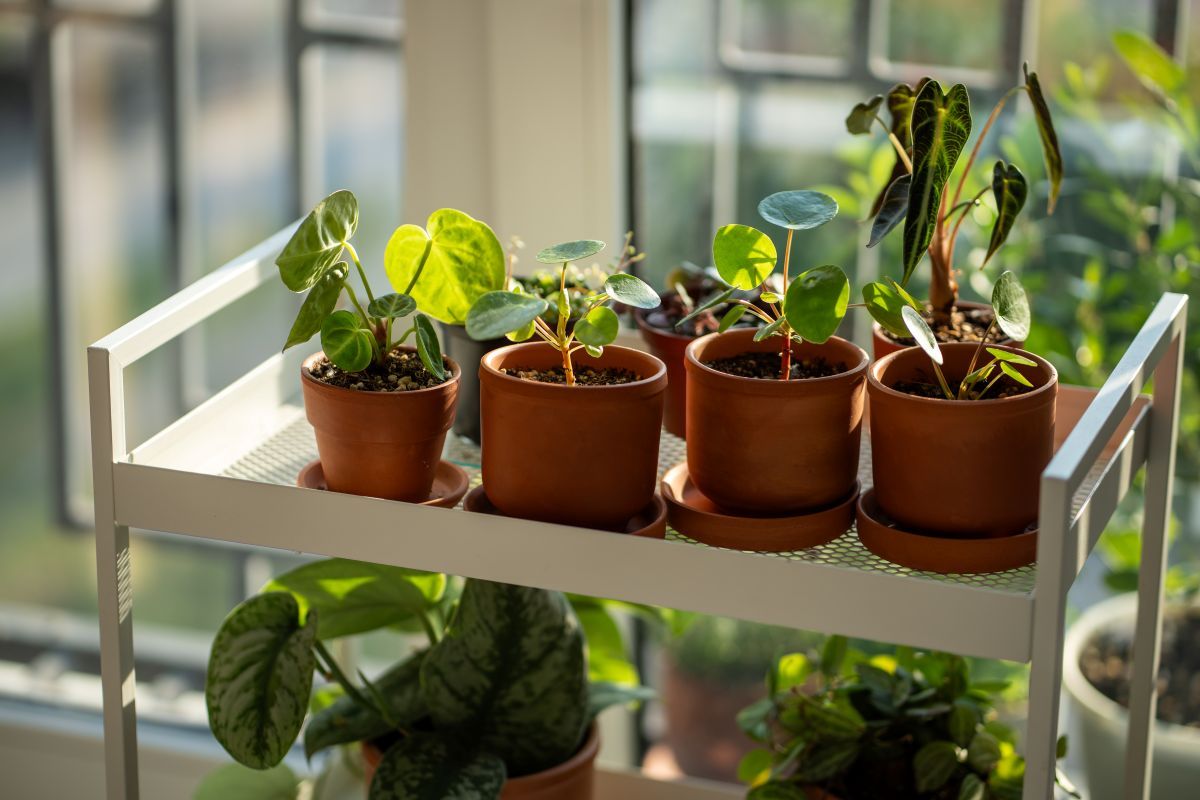
Terracotta pots are a timeless choice for indoor plants, especially those that prefer their soil to dry between waterings. Made from natural, unglazed clay, these pots have porous walls that allow moisture to evaporate more quickly. This makes them particularly suitable for succulents, cacti, and snake plants, which can struggle when their roots remain wet for too long. Their warm, earthy appearance also adds a natural touch to almost any room.
Are Terracotta Pots Good for Indoor Plants?
Yes, terracotta pots are particularly beneficial for plants that prefer well-draining soil and relatively dry conditions. Their porous material helps excess moisture escape, although proper drainage holes are still essential for healthy roots. However, plants in terracotta pots may need more frequent watering, especially in warm or dry rooms. These pots can also be heavy and fragile, so consider their placement before choosing one for your plant.
Style Your Space with Elegant Plants
KWD 33
Yellow Orchid Plant | Ceramic PotKWD 33
White Phalaenopsis Pot KWD 14
White Kalanchoe WhiteKWD 20
Dreamy Purple Spathiphyllum PlantKWD 28
Duo Red Anthurium PlantsKWD 14
Scarlet Red Anthurium Aristo PlantKWD 23
Elegant Yellow Spathiphyllum PlantKWD 18
Glossy Purple Anthurium PlantKWD 18
Pretty in Red Anthurium PlantKWD 18
Delight White Kalanchoe Plant
2. Ceramic Plant Pots
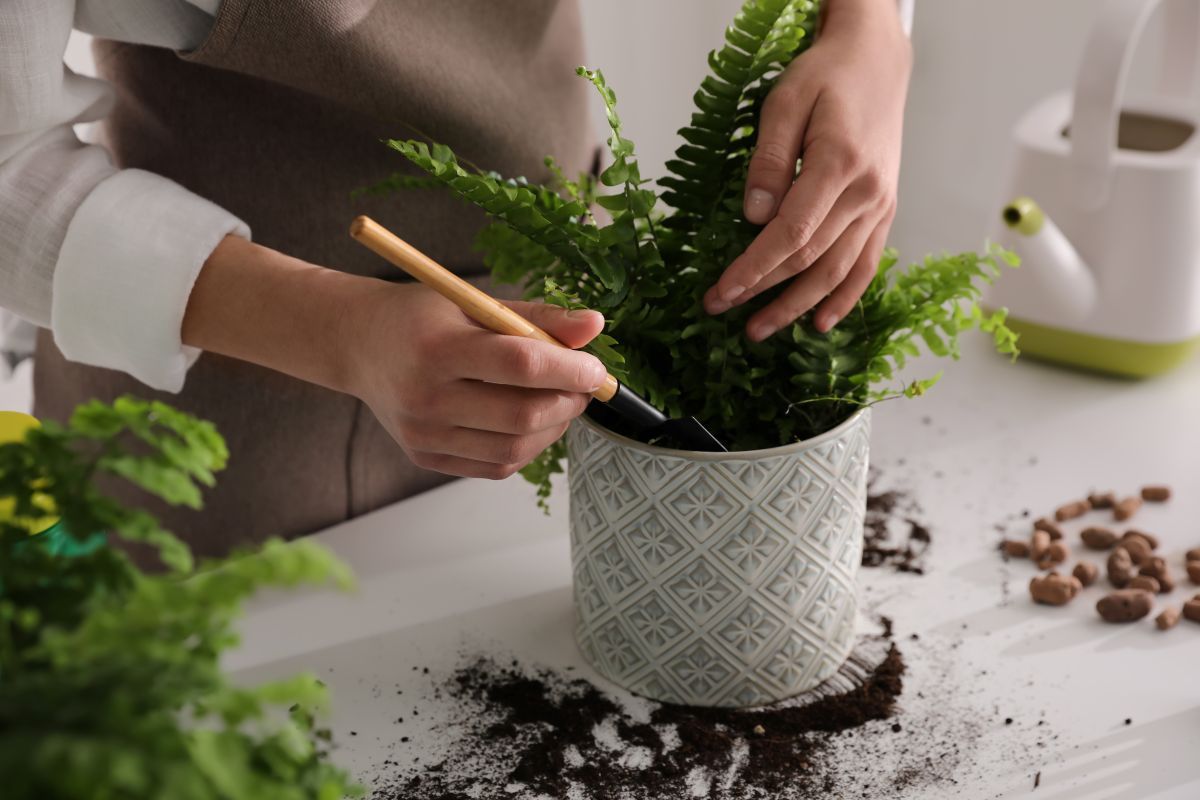
Ceramic plant pots are popular for their elegant finishes, decorative colors, and ability to complement different interior styles. Unlike unglazed terracotta, glazed ceramic pots have a less porous surface that slows moisture evaporation through the container walls. This makes them a practical option for many tropical indoor plants, including peace lilies and calatheas, which generally prefer consistently moist but well-drained soil. Their sturdy construction also provides stability for plants with larger leaves.
3. Plastic Plant Pots
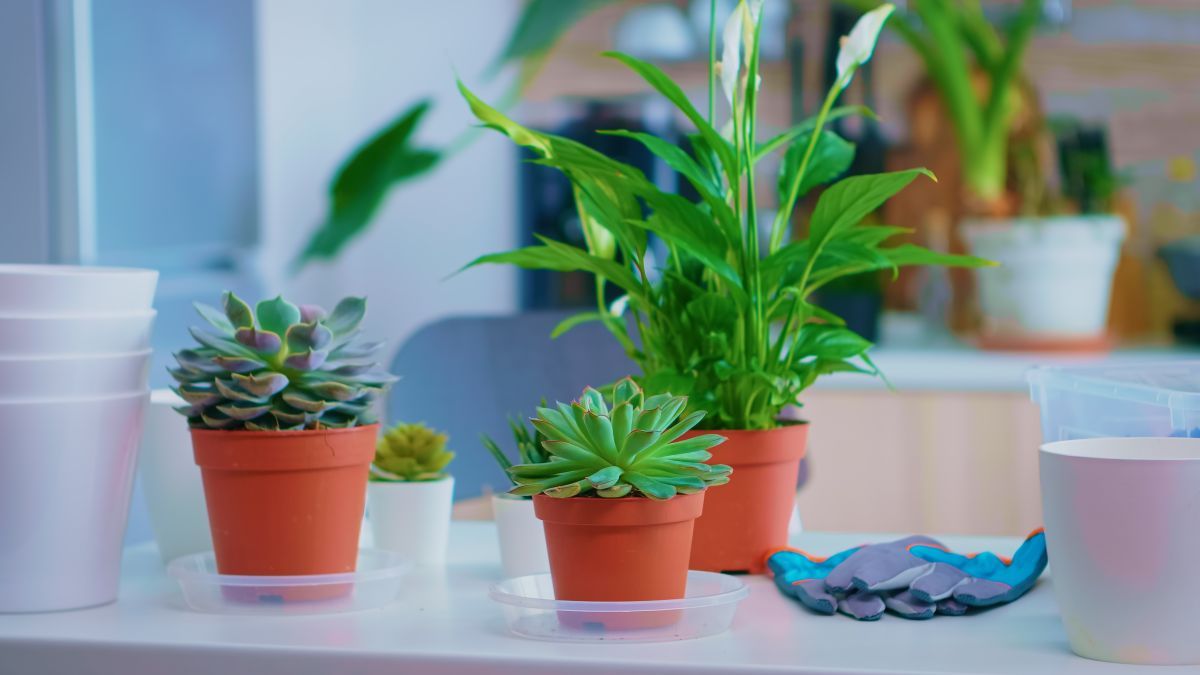
Plastic plant pots are among the most practical options for everyday indoor plant care. They are lightweight, affordable, and available in numerous sizes, making them especially convenient when you need to move or repot your plants. Because plastic is nonporous, moisture cannot escape through the pot's walls as it does with terracotta. This helps the soil retain moisture longer, which can be useful for ferns, peace lilies, and other plants that appreciate regular watering.
4. Self-Watering Pots
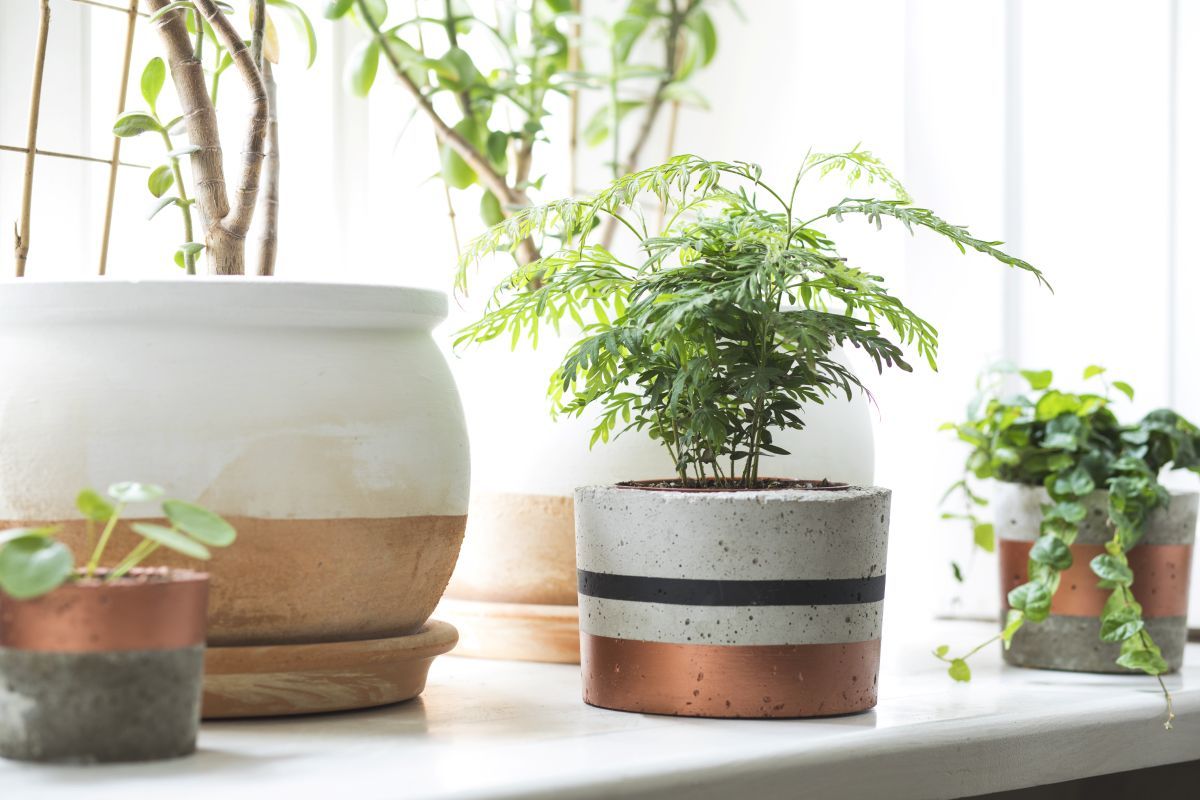
Self-watering pots offer a convenient way to maintain more consistent soil moisture, especially if you have a busy schedule or occasionally forget to water your plants. These containers typically feature a separate water reservoir beneath the growing area, allowing moisture to move upward through a wick or capillary action. They can be particularly helpful for certain tropical plants that prefer steady moisture, such as peace lilies and some ferns. However, they are not equally suitable for every houseplant.
How do self-watering plant pots work?
Self-watering pots use a reservoir to gradually supply water to the growing medium as moisture is absorbed or evaporates. This system can reduce how frequently you need to water, although you should still check the soil and reservoir regularly. Plants that prefer dry conditions, including many succulents and cacti, may struggle if the growing medium remains constantly moist. Choose a self-watering pot with an appropriate growing medium and follow the manufacturer's instructions to avoid excess moisture around the roots.
Style Your Space with Elegant Plants
KWD 33
Yellow Orchid Plant | Ceramic PotKWD 33
White Phalaenopsis Pot KWD 14
White Kalanchoe WhiteKWD 20
Dreamy Purple Spathiphyllum PlantKWD 28
Duo Red Anthurium PlantsKWD 14
Scarlet Red Anthurium Aristo PlantKWD 23
Elegant Yellow Spathiphyllum PlantKWD 18
Glossy Purple Anthurium PlantKWD 18
Pretty in Red Anthurium PlantKWD 18
Delight White Kalanchoe Plant
What Type of Pot Is Best for Indoor Plants?
The best indoor plant pots are those that support your plant's natural growing conditions while fitting comfortably into your home. Terracotta is often ideal for plants that prefer drier soil, while glazed ceramic and plastic pots help retain moisture longer. Self-watering containers can be useful for plants that need more consistent hydration, provided their roots receive sufficient oxygen. Before choosing a pot, consider its drainage, size, material, and the specific needs of your plant.
Pot type | Moisture retention | Best suited for |
Terracotta | Low | Snake plants, cacti, succulents |
Glazed ceramic | Moderate to high | Peace lilies, calatheas |
Plastic | High | Ferns, tropical houseplants |
Self-watering | Consistent moisture supply | Selected moisture-loving plants |
Do Indoor Plant Pots Need Drainage Holes?
Most indoor plant pots should have drainage holes to allow excess water to escape and reduce the risk of root rot. Without proper drainage, water can accumulate at the bottom of the container, limiting oxygen around the roots and encouraging fungal problems. If you love a decorative pot without holes, use it as an outer planter with a removable nursery pot inside. Always empty any collected water after watering so your plant does not sit in it.
How Do I Choose the Right Pot Size for My Plant?
Choosing the right pot size is just as important as selecting the right material for your indoor plants. When repotting, a container approximately 1–2 inches (2–5 cm) wider than the current pot is often suitable, depending on the plant's size and root system. An oversized pot can hold too much wet soil around the roots, increasing the risk of overwatering. Look for signs such as roots growing through drainage holes or a tightly crowded root system before moving your plant into a larger container.
Style Your Space with Elegant Plants
KWD 33
Yellow Orchid Plant | Ceramic PotKWD 33
White Phalaenopsis Pot KWD 14
White Kalanchoe WhiteKWD 20
Dreamy Purple Spathiphyllum PlantKWD 28
Duo Red Anthurium PlantsKWD 14
Scarlet Red Anthurium Aristo PlantKWD 23
Elegant Yellow Spathiphyllum PlantKWD 18
Glossy Purple Anthurium PlantKWD 18
Pretty in Red Anthurium PlantKWD 18
Delight White Kalanchoe Plant
Every plant has its own needs, and choosing the right pot is one of the simplest ways to help it thrive. Whether you prefer the natural charm of terracotta, the elegance of ceramic, the practicality of plastic, or the convenience of self-watering pots, the best choice balances appearance with healthy growing conditions. With suitable drainage, the right pot size, and a little attention to watering, your indoor plants can become a beautiful, lasting part of your home.