Some flowers blend gently into a room, while others seem to rearrange the whole space around them. Gladiolus belongs to the second group. Its tall stems, lined with colorful flowers and unopened buds, bring height and movement to even the simplest vase. Behind that confident appearance is a fascinating plant with African roots, romantic symbolism, and more varieties than most people realize.
Why Is It Called Gladiolus?

The name gladiolus comes from gladius, the Latin word for sword. Look closely at the plant’s long, pointed leaves and the connection makes perfect sense. This shape also explains its common name, “sword lily,” although the plant is not actually a lily. Botanically, it belongs to the iris family, alongside irises, freesias, and crocuses.
The sword comparison has followed gladiolus throughout its history, shaping many of the meanings now associated with the flower. It may have a graceful appearance, but its name gives it a surprisingly strong character. That balance between beauty and strength is one reason it feels equally at home in a romantic arrangement, a congratulatory gift, or a modern living space.
Pick the Perfect Bouquet
KWD 56
Sunshine Delight Bouquet | 100 Flowers
KWD 25
Soucolat Mixed Chocolate Box | Love Flower
KWD 10
Red Reverie Roses Bouquet
KWD 15
Touch of Elegance Flowers Bouquet 
KWD 18
Le Doré Small Chocolate Gift Box | Classical Red Roses Bouquet
KWD 32
Nouga Happy Birthday Bonbon Chocolate Box | Shinny Roses Bouquet 
KWD 22
Floward Small Chocolates Box | I Love You Balloon with Red Roses 
KWD 73
Floward Card 50 KWD | A Tiny Arrival, Endless Joy
KWD 288
Floward Card | Their Wish, Your Gift
KWD 28
DOH! Happy Birthday Personalized Number Cake | Make a Wish FlowersA Flower With African Roots
There are more than 300 species of gladiolus, and most originate in Africa, particularly southern Africa. Other species occur naturally in Madagascar and parts of Europe and Asia. They grow in varied habitats, which helps explain the remarkable differences between them. Some are small and delicate, while others rise on tall stems carrying large, ruffled flowers.
The varieties commonly seen in gardens and arrangements are usually cultivated hybrids. Years of careful breeding have produced gladiolus flowers in white, yellow, pink, orange, red, purple, green, and many shades in between. Some have a single clear color, while others feature contrasting centers, fine markings, or softly shaded petals. It is a much more varied flower than its familiar tall shape first suggests.
Gladiolus Grows From a Corm, Not a Bulb
Gladiolus is often placed in the general category of bulb flowers, but a botanist would call its underground structure a corm. Unlike a bulb, which is made from fleshy layers, a corm is a solid, swollen underground stem. It stores the food and energy the plant needs to produce new leaves, roots, and flowers. Think of it as a compact natural reserve hidden beneath the soil.
As the plant grows, a new corm forms above the old one. Tiny structures called cormlets may also develop around it and eventually become mature plants. This quiet underground process is quite a contrast to the dramatic floral display above the soil. It also explains how gladiolus can return in later seasons when planted in suitable conditions.
Its Flowers Open in Stages
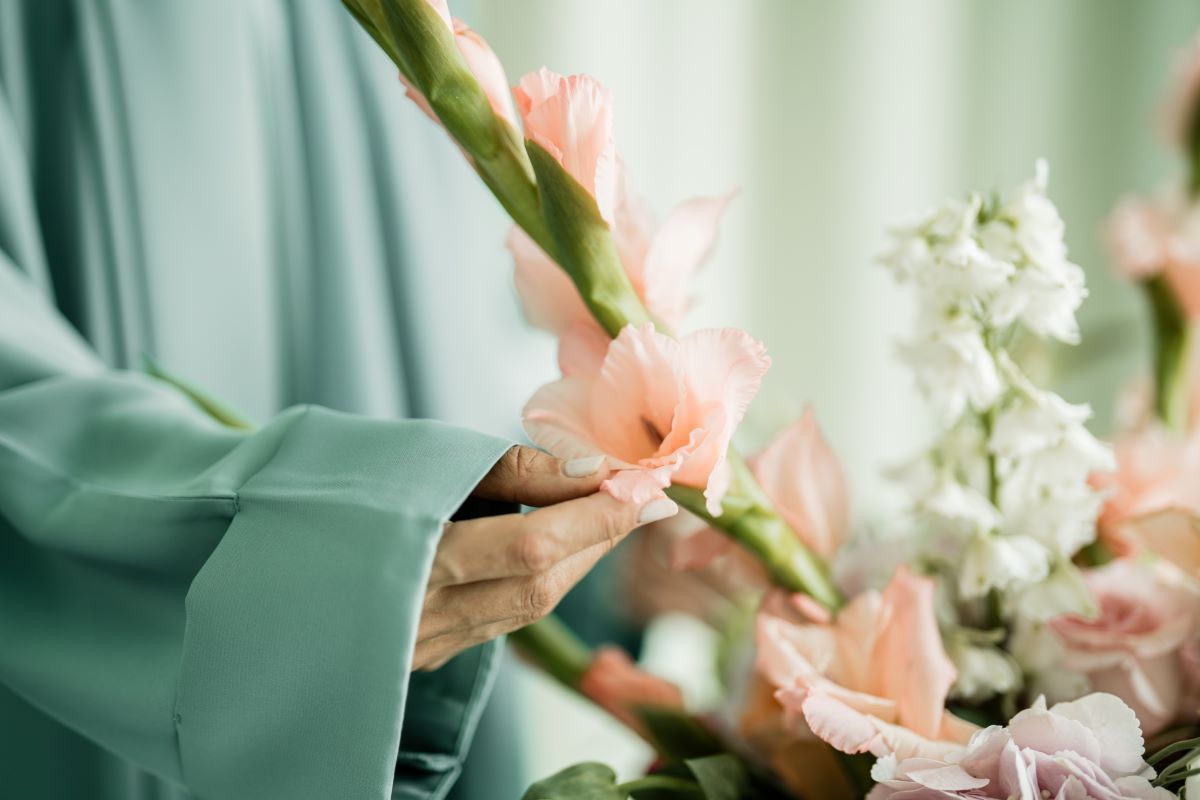
A gladiolus stem does not reveal all its flowers at once. The lowest flowers usually open first, followed gradually by those higher on the spike. While the lower part of the stem is already colorful, the top may still be holding several closed buds. This creates a display that changes slightly from one day to the next.
The same habit makes gladiolus particularly appealing in a vase. Faded lower flowers can be removed gently while the upper buds continue to open. Clean water, freshly trimmed stems, and a vase placed away from strong heat will help the flowers last longer. Because the stems are naturally tall, a sturdy vase with enough weight at the base is usually the safest choice.
What Does Gladiolus Symbolize?

Gladiolus is traditionally associated with strength, integrity, determination, and sincerity. These meanings are closely tied to its sword-shaped leaves and firm, upright form. It is a fitting flower for someone who has worked through a difficult period, stayed committed to a goal, or reached an important milestone. The message feels supportive without being overly sentimental.
There is also a romantic side to gladiolus symbolism. In Victorian flower language, it represented infatuation and the idea of a heart pierced by love. That may sound rather dramatic today, but it gives the flower an appealing emotional history. Gladiolus can express admiration and attraction while feeling less predictable than roses.
Pick the Perfect Bouquet
KWD 56
Sunshine Delight Bouquet | 100 FlowersKWD 25
Soucolat Mixed Chocolate Box | Love FlowerKWD 10
Red Reverie Roses BouquetKWD 15
Touch of Elegance Flowers Bouquet KWD 18
Le Doré Small Chocolate Gift Box | Classical Red Roses BouquetKWD 32
Nouga Happy Birthday Bonbon Chocolate Box | Shinny Roses Bouquet KWD 22
Floward Small Chocolates Box | I Love You Balloon with Red Roses KWD 73
Floward Card 50 KWD | A Tiny Arrival, Endless JoyKWD 288
Floward Card | Their Wish, Your GiftKWD 28
DOH! Happy Birthday Personalized Number Cake | Make a Wish FlowersWhat Do the Different Colors Mean?
Red gladiolus is commonly linked with love, passion, and admiration, making it well suited to romantic occasions. Pink conveys affection and tenderness, while yellow has a brighter association with friendship, happiness, and encouragement. Purple often suggests distinction and admiration, and white is connected with sincerity, respect, and remembrance.
These color meanings can help when choosing flowers, but they are not fixed rules. Personal taste, cultural context, and the relationship between the giver and recipient matter much more. A yellow gladiolus may remind someone of a family garden, while a deep purple variety might simply be their favorite color. The most meaningful choice is often the one with a personal reason behind it.
Gladiolus Is an August Birth Flower

Anyone born in August has an especially natural connection to gladiolus, as it is one of August recognized birth flowers. Its meanings of strength, sincerity, and determination give an August birthday arrangement more significance than color alone. It can reflect confidence, celebrate personal growth, or simply acknowledge the recipient’s birth month in a thoughtful way.
The flower also suits the lively mood of a summer birthday. Bright orange, yellow, and pink varieties feel cheerful and relaxed, while white or deep red stems create a more refined arrangement. Since gladiolus comes in so many colors, it can match very different personalities without losing its distinctive form.
Best Happy Birthday Gifts

KWD 7
Ladurée Langues de Chat Vanilla and Caramel Gift Box
KWD 35
December Cake Double Bige Bear Cake
KWD 32
Soucolat Wrapped Chocolate Mix Box
KWD 34
Bugatti Lilies Thermal Bottle Set
KWD 30
Nine This is Your Year to Sparkle Candle
KWD 18
Done By SHK Cloud Candle
KWD 5
Done By SHK Small Strawberry Cheesecake Candle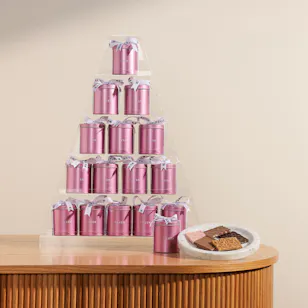
KWD 48
Haven Chocolate Pink Metallic Tin Giveaways Tower
KWD 34
Bugatti Leaves Gold Gift Set 
KWD 48
Haven Chocolate Blue Metallic Tin Giveaways TowerWhen Is Gladiolus a Good Flower to Gift?
Gladiolus feels particularly appropriate for occasions centered on progress and encouragement. Graduations, promotions, new jobs, and personal achievements all connect naturally with its symbolism of strength and determination. It can also bring color and optimism to get-well wishes, especially in yellow, pink, or orange. For a thank-you gesture, its tall, generous stems communicate sincere appreciation without needing an elaborate arrangement.
Romantic occasions are another good match. Red and pink gladiolus can mark an anniversary or express admiration with a little more individuality than traditional romantic flowers. White varieties may be used for remembrance and sympathy because of their association with sincerity and respect. The flower’s meaning changes gently with its color, making it suitable for both joyful and reflective moments.
Gifts to Say “I Love You”
KWD 7
Ladurée Langues de Chat Vanilla and Caramel Gift Box
KWD 19
December Cake Cheerful Cupcakes
KWD 4
Early Days Nappy Cream | 125 mlKWD 32
Soucolat Wrapped Chocolate Mix Box
KWD 28
AH By Azhar Hubail Glamour Galore Set
KWD 15
Acqua Dell’Elba Fiori Room Spray | 100 ml
KWD 19
Atelier Rebul Green Tea Spa Set
KWD 117
Roja Manhattan Eau de Parfum Unisex | 100 ml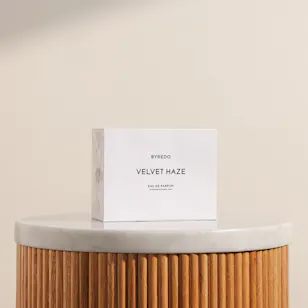
KWD 89
Byredo Velvet Haze Unisex EDP | 100 ml
KWD 3
Made 51 With Refugees Bracelet
Is Gladiolus Safe Around People and Pets?
Gladiolus can live beautifully in the home, but it needs careful placement when pets or young children are present. The plant is toxic to cats, dogs, and horses, and eating it may cause drooling, vomiting, diarrhea, and lethargy. The corm contains the highest concentration of the unidentified toxic principle, although pets should not be allowed to chew any part of the plant. If ingestion is suspected, a veterinarian should be contacted promptly.
People should avoid eating gladiolus too, particularly the leaves and underground corms. Although some horticultural references discuss specially prepared flowers as garnishes, identification and preparation are best left to trained professionals. For the average household, treating the entire plant as decorative rather than edible is the clearest and safest approach. A high shelf, closed room, or pet-free area can allow the flowers to be enjoyed without unnecessary risk.
With its striking shape and thoughtful symbolism, gladiolus stands out among the most elegant floral gifts. It can celebrate strength, affection, encouragement, or a meaningful new beginning. Sometimes, a few tall stems say more than a crowded arrangement ever could.