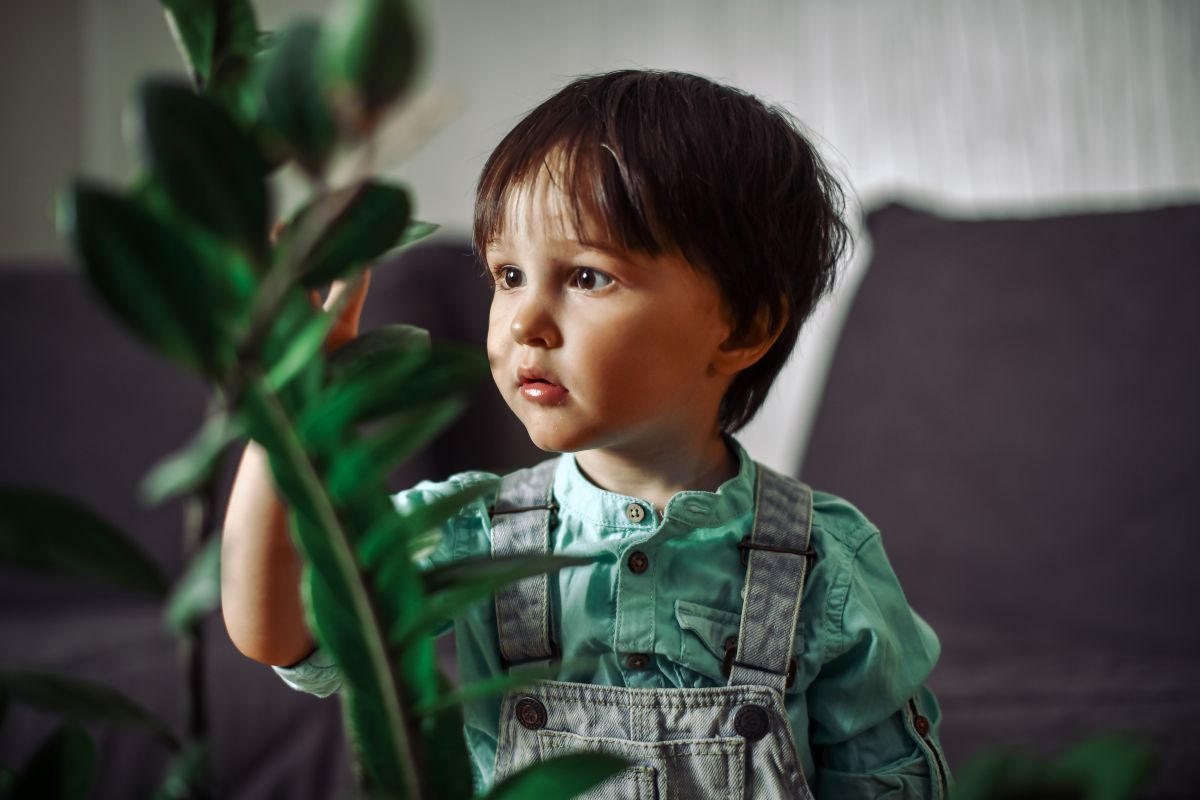

Bringing greenery into a family home should never mean choosing between style and peace of mind. Once babies begin crawling, reaching and investigating everything around them, choosing safe indoor plants for babies becomes an important part of decorating. Many popular houseplants can irritate the mouth, skin or digestive system if chewed, while other species are considered non-toxic. By choosing carefully and positioning plants sensibly, you can enjoy a greener home that works beautifully even with young children around.
Spider Plant
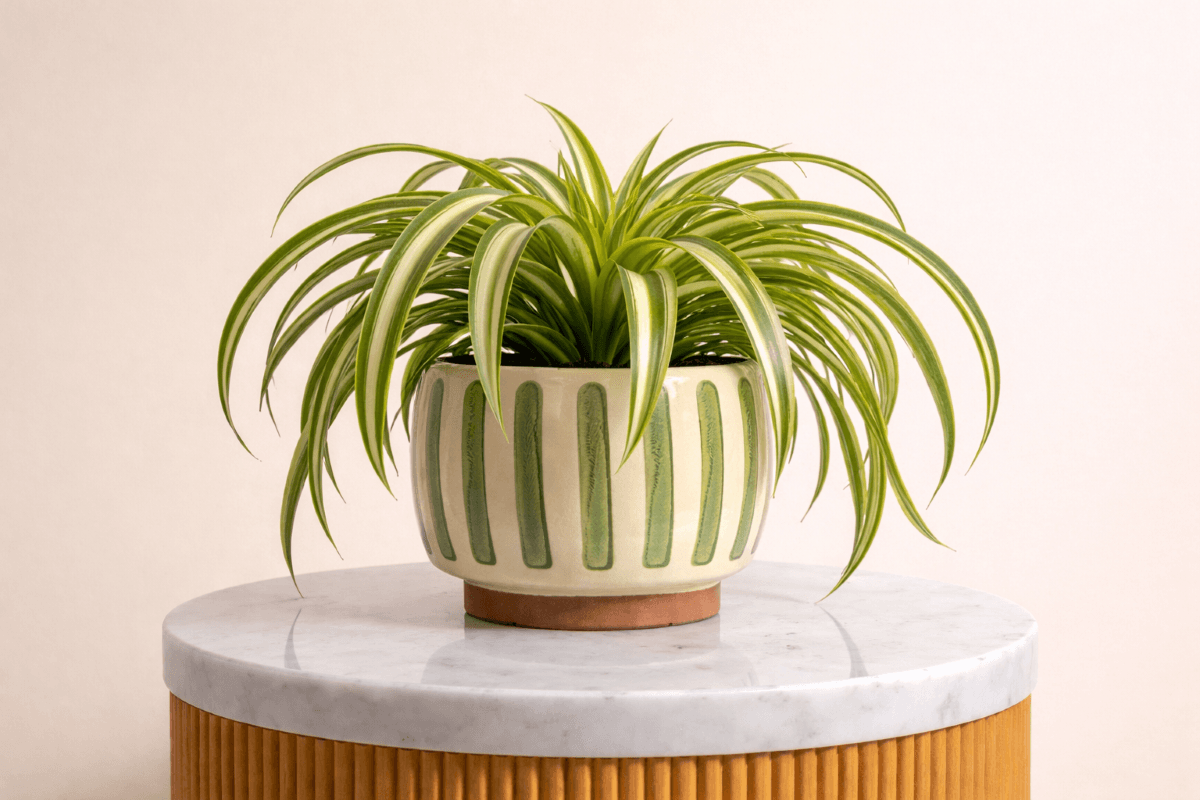
Are Spider Plants Safe for Toddlers? The spider plant (Chlorophytum comosum) is one of the most practical safe indoor plants for babies, particularly if you are new to caring for houseplants. Reputable poison-control resources identify spider plants as non-poisonous plants, making them a reassuring choice for family spaces. Their cascading striped leaves bring movement to nurseries, living rooms and play areas, while their forgiving nature makes them relatively easy to maintain. They also work well in hanging planters, helping keep soil and containers away from tiny curious hands.
Parlor Palm
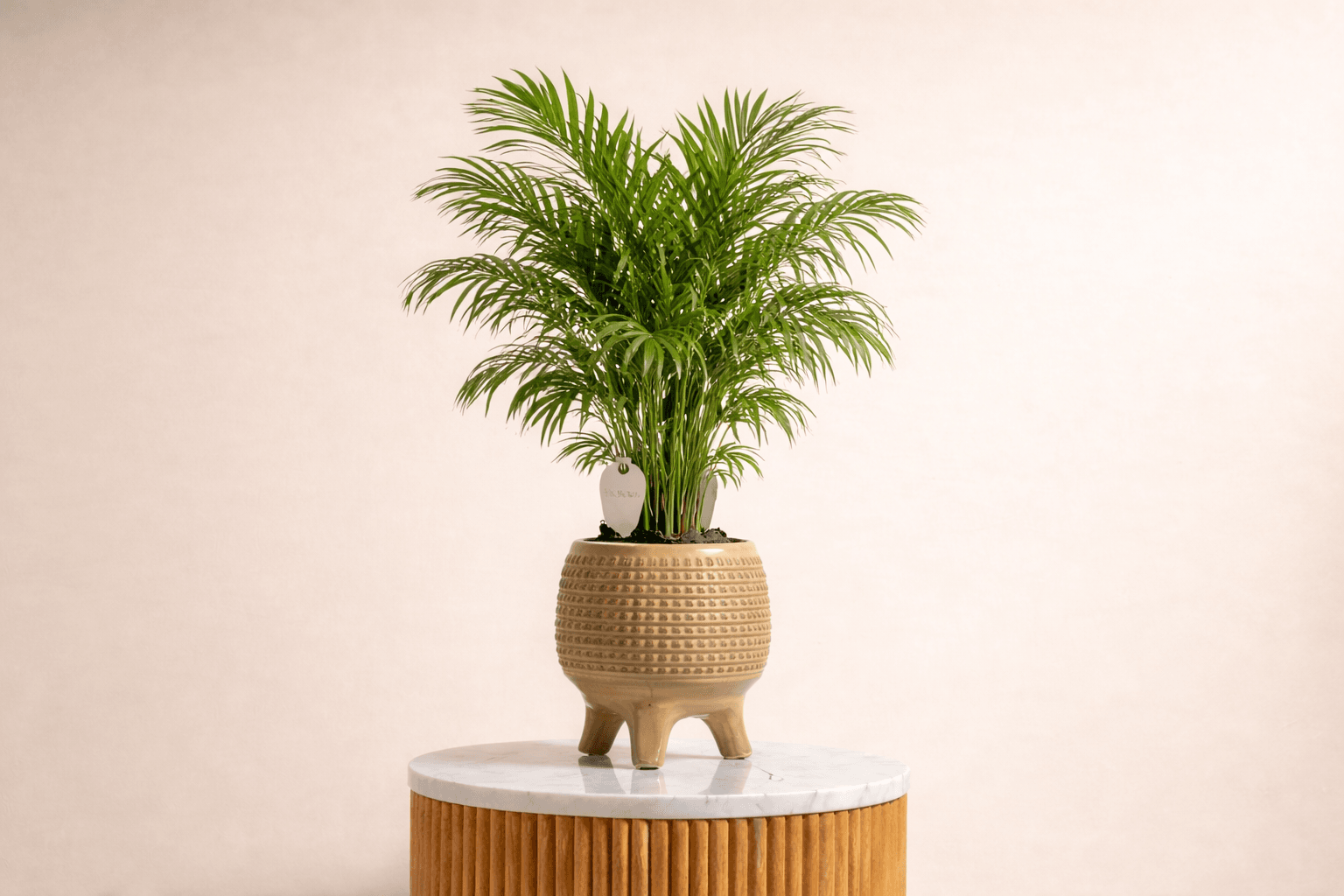
If you prefer taller indoor plants, the parlor palm (Chamaedorea elegans) offers an elegant alternative to potentially irritating tropical species. Its soft, arching fronds create visual height without demanding intense sunlight, so it can work particularly well in living rooms, bedrooms and spacious play areas. The plant is widely listed as non-toxic, making it one of the more suitable options when you want toddler-friendly indoor plants with a stronger decorative presence. Keep it in a stable, appropriately weighted planter so an adventurous toddler cannot easily pull or tip it over.
Boston Fern
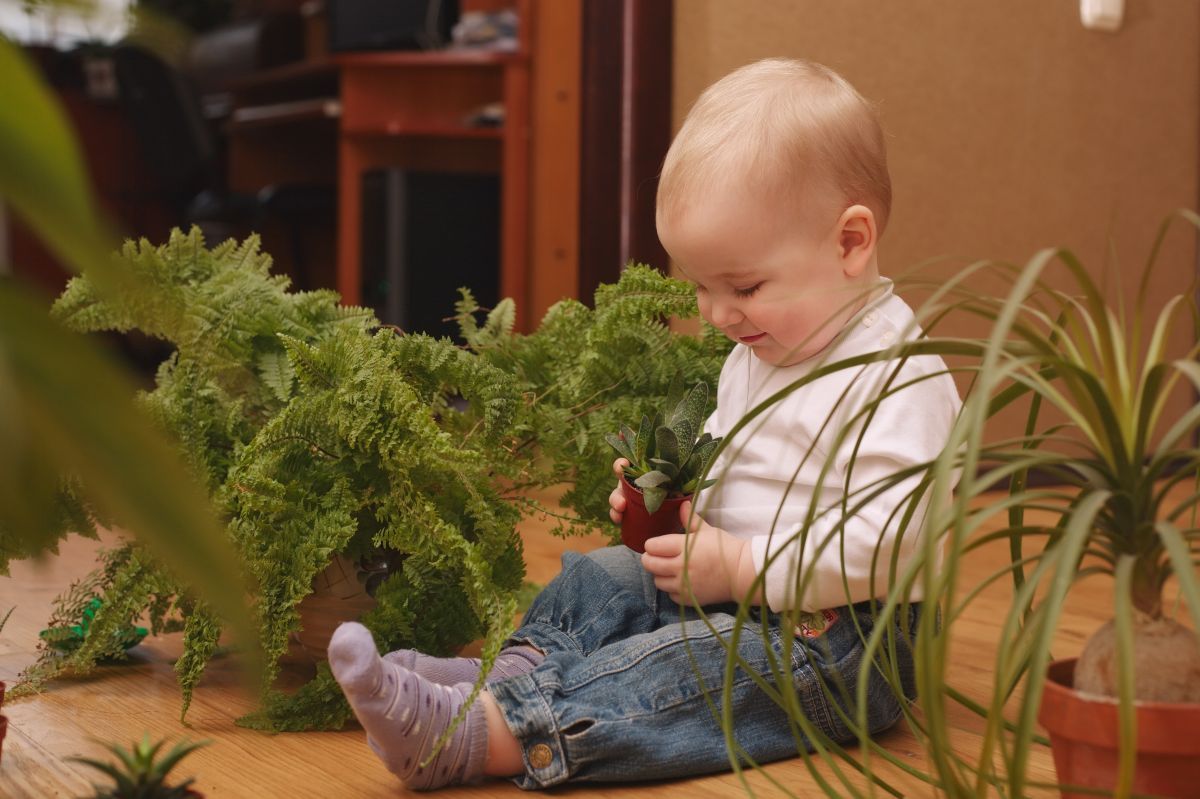
The Boston fern (Nephrolepis exaltata) combines feathery foliage with a softer appearance than many sculptural houseplants, and it is generally recognized as non-toxic. It prefers humid conditions and consistently moist soil, making bathrooms with natural light or suitably humid family spaces particularly appealing locations. Boston ferns are often discussed among air purifying plants that are also safe for toddlers, but no houseplant should be treated as a replacement for proper ventilation or indoor air-quality measures. If you love abundant greenery, this fern gives you texture and volume without introducing a plant known for toxic foliage.
Peperomia
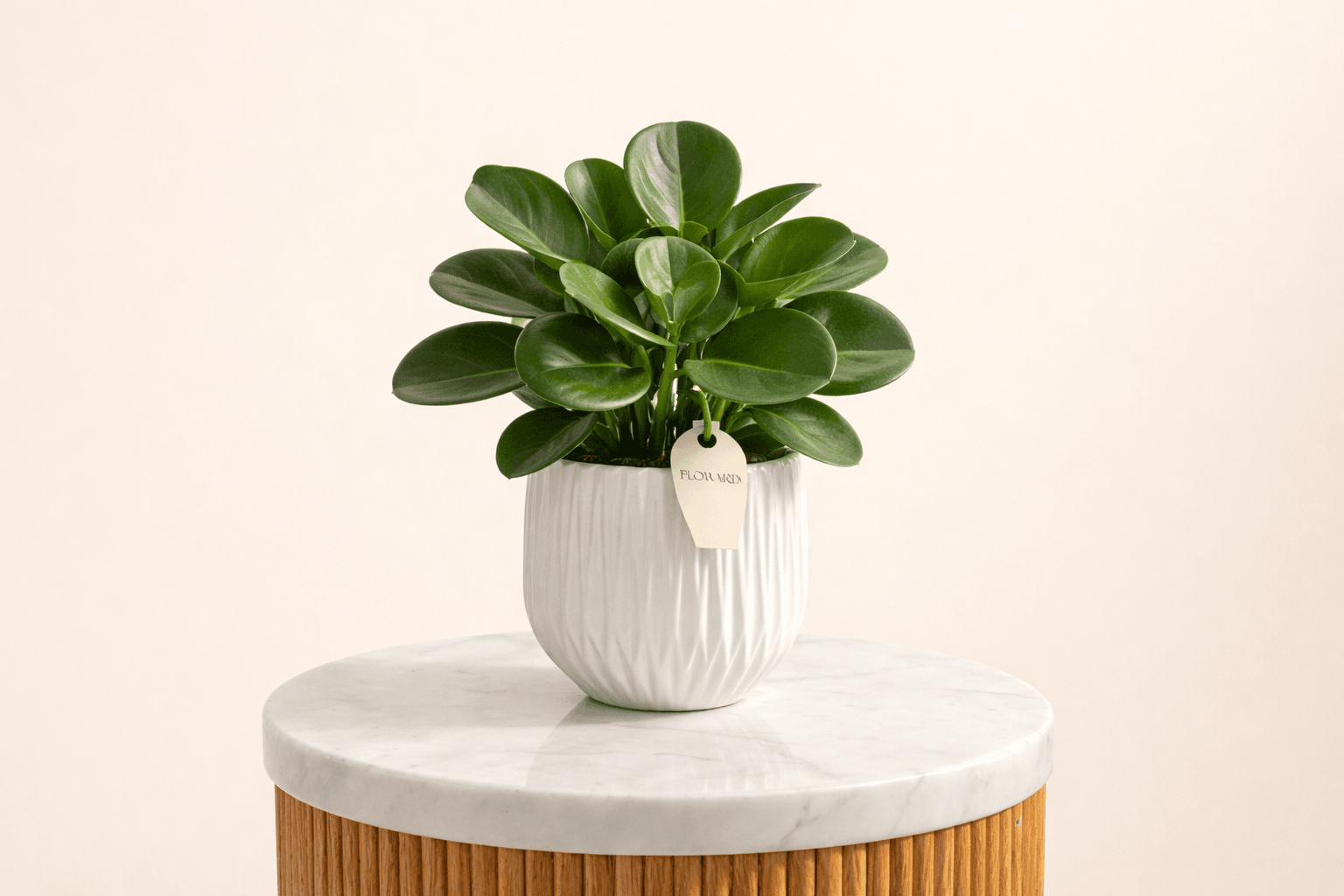
Peperomia, particularly the baby rubber plant (Peperomia obtusifolia), is a useful option when you want non-toxic houseplants for toddlers without dedicating much floor space to them. Its thick, rounded leaves provide a neat, contemporary look, while its compact growth suits desks, sideboards and higher shelves. Peperomia is considered non-toxic, but that does not mean leaves, soil or fertilizer should become something a child can play with or eat. Its manageable size also makes it easier to relocate as your baby becomes taller, more mobile and increasingly interested in reaching previously inaccessible surfaces.
African Violet
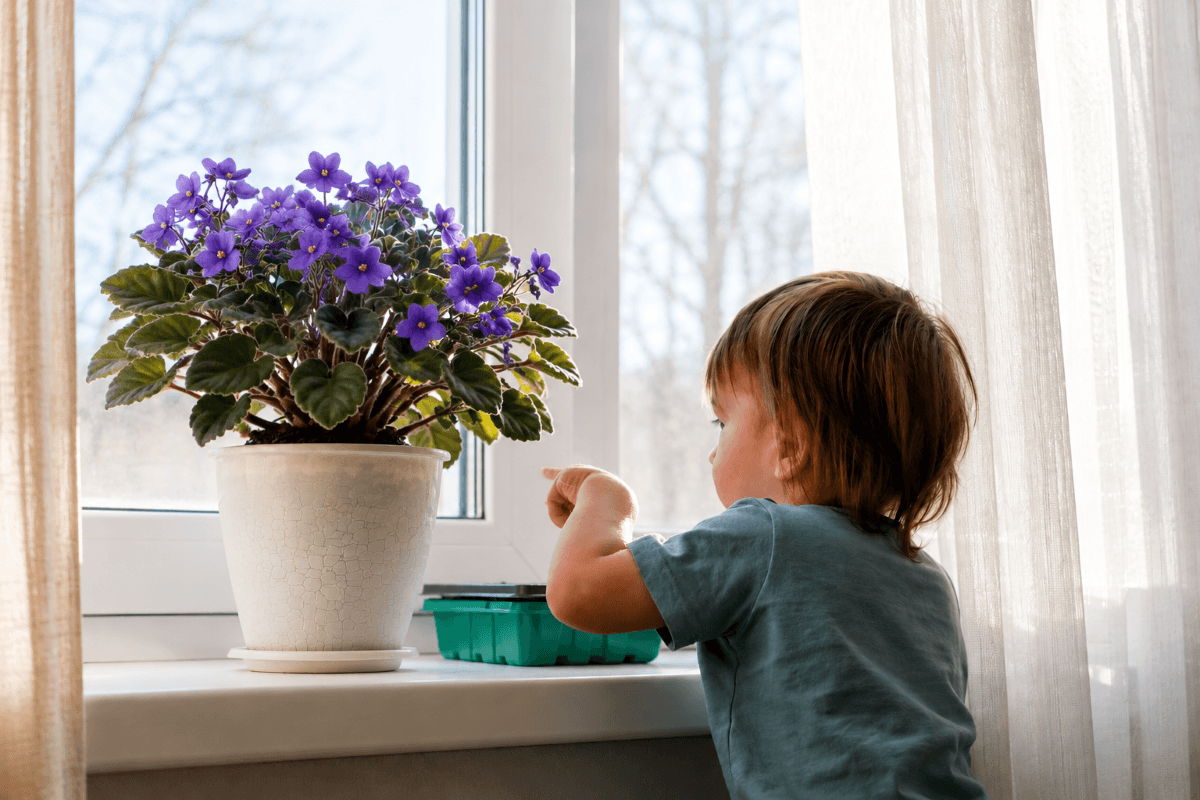
Not every family-friendly houseplant has to be purely green, and African violets (Streptocarpus ionanthus, formerly commonly classified under Saintpaulia) can introduce gentle color without bringing a known toxic plant into the room. These compact flowering plants are considered non-toxic and can fit neatly onto bright shelves, windowsills or other protected surfaces receiving suitable indirect light. Their colorful flowers make them appealing safe indoor plants for babies, especiallly when you want something decorative beyond foliage. Keeping the pot out of reach still prevents spilled soil, broken containers, and enthusiastic toddler gardening.
Flowers in Vases

KWD 24
Ethereal Bliss Flowers Vase
KWD 27
Summer Tulips Vase
KWD 4
Charm Orange Baby Rose Vase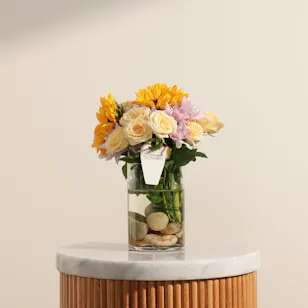
KWD 17
Sunflower Splendor Vase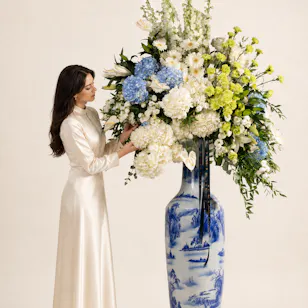
KWD 350
The Palatial Splendor Flower Vase
KWD 300
The Poetry of Morning
KWD 49
Nouga Gongrats Grad Bonbon Chocolate Box | Classy Flower Box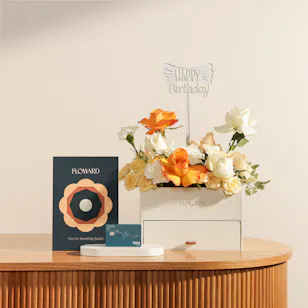
KWD 94
Floward Card 50 KWD | Birthday Wishes Curated Box
KWD 48
Sparadise Hot Stone Message Voucher for Women | Sweet Flower Vase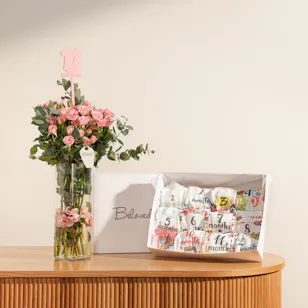
KWD 43
Belovedone Best Memories Baby Set | Welcome Baby Flowers Vase
The best safe indoor plants for babies combine non-toxic species with thoughtful placement, secure containers and realistic expectations about what houseplants can do. These indoor plants offer a different combination of shape, colour and care requirements, allowing you to introduce greenery without sacrificing a family-friendly environment. When considering indoor plants, always check the exact species and current product information before choosing one for a home with young children. A beautiful indoor garden feels even better when every choice has been made with curious little hands in mind.