
Is the anthurium really a flower, or is there more to it than meets the eye? This tropical plant stands out with its glossy leaves and bold colors, making it one of the most recognizable indoor plants. But beyond its appearance, there are many surprising facts about anthurium that most people don’t know. Understanding these details helps you care for the plant more effectively.
Discover these fascinating anthurium facts and see this plant from a whole new perspective.
What Makes Anthurium So Unique?
Anthurium is a tropical plant from the Araceae family, native to humid forests in Central and South America. It grows in warm, shaded environments where moisture and airflow are constant. Unlike many houseplants, it has adapted to grow both in soil and on other plants. This flexibility makes anthurium plant care slightly different from typical indoor plants.
Top Fascinating Facts About Anthurium
Behind its striking and distinctive appearance, the anthurium hides many fascinating facts. Here are some of the most interesting ones:
1. Anthurium Isn’t Actually a Flower
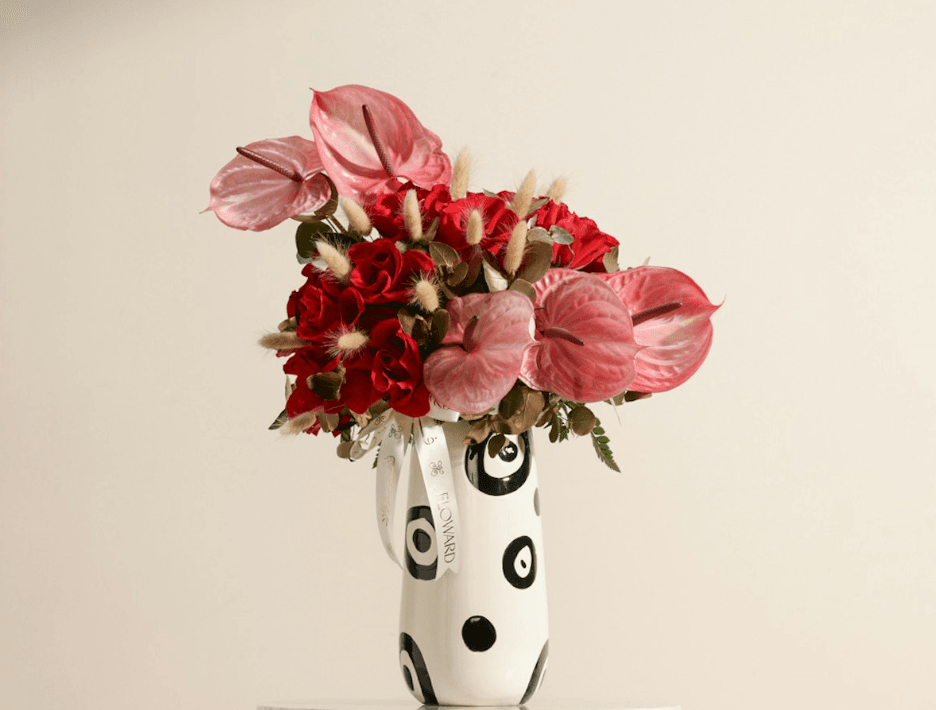
One of the most surprising anthurium facts is that what looks like a flower is not a true flower. The colorful part is called a spathe, which is actually a modified leaf. The real flowers are tiny and grow on the central spike known as the spadix. This structure helps attract pollinators in its natural environment.
2. There Are Hundreds of Anthurium Species
Anthurium is one of the largest genera in the Araceae family, with over 800 known species. These species vary widely in size, leaf shape, and growth habit. Some are grown for their striking foliage rather than flowers. This diversity makes anthurium plants highly adaptable and interesting to collectors.
3. Anthurium Can Bloom All Year Round
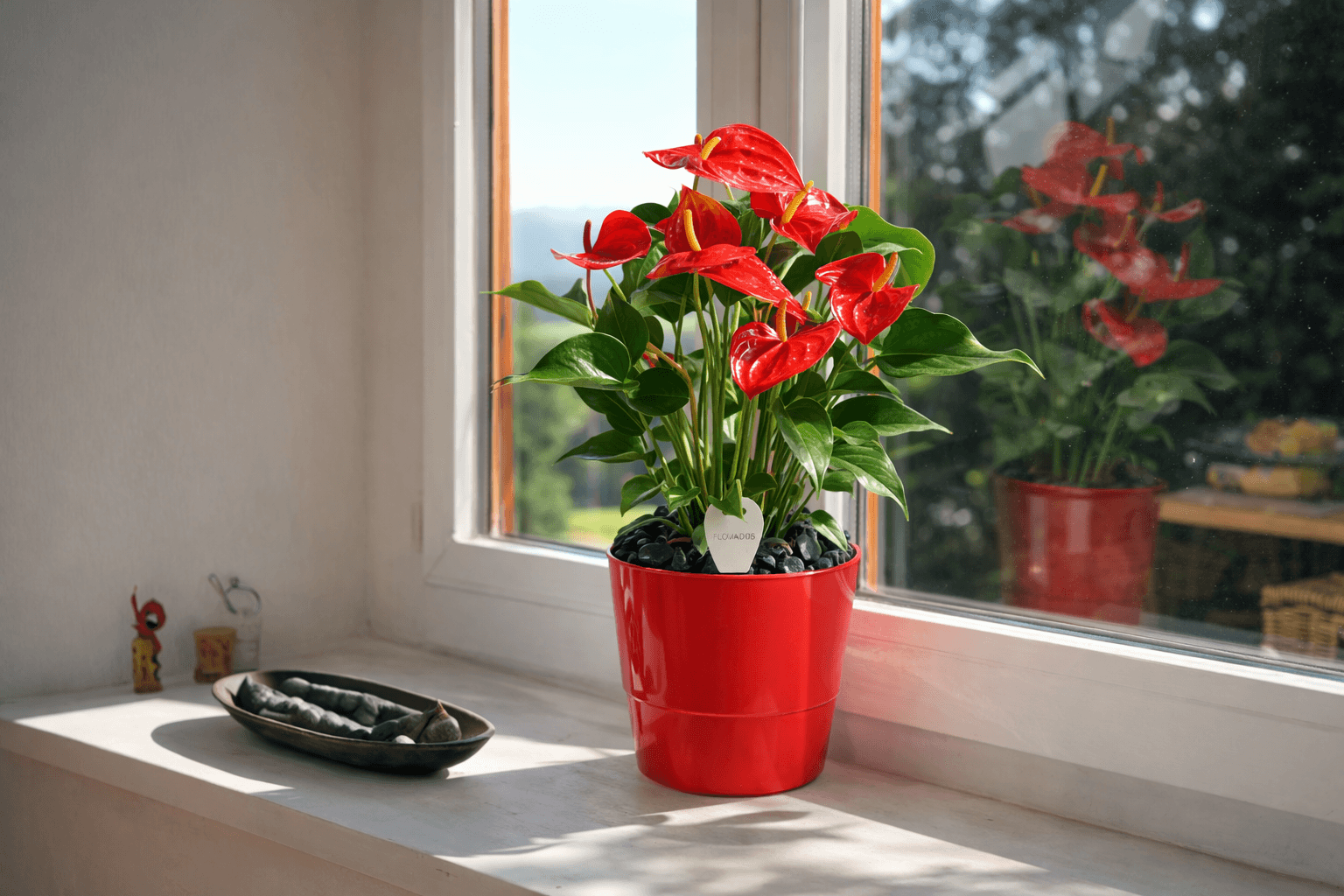
With proper anthurium plant care, this plant can produce blooms throughout the year. Each bloom can last for several weeks or even months. This long-lasting display is one reason why it is popular as an indoor plant. Consistent light and feeding encourage continuous flowering. Maintain proper care to enjoy frequent blooms.
4. It Is a Semi-Epiphytic Plant
In nature, many anthurium species grow as epiphytes or semi-epiphytes. This means they attach to other plants instead of growing in dense soil. Their roots are adapted to absorb moisture from the air and surrounding environment. This explains why they prefer airy soil and high humidity indoors.
5. The Name Anthurium Means “Tail Flower”
The name “anthurium” comes from Greek words meaning “flower” and “tail.” This refers to the long central spadix that resembles a tail.
6. Anthurium Produces Real Fruits

After pollination, anthurium can produce small berry-like fruits. These fruits contain seeds that can grow into new plants. This is part of the plant’s natural reproduction cycle. While not commonly seen indoors, it is a fascinating biological process.
7. Some Anthurium Plants Can Climb
Not all anthurium plants grow in the same way. Some species have climbing habits and use aerial roots to attach to surfaces. This helps them reach light in dense forest environments. Indoor growers can support this growth with moss poles or structures.
8. Anthurium Comes in Many Colors

While red is the most common, anthurium flowers can appear in pink, white, green, and even deep purple shades. These variations depend on the species and growing conditions. The color intensity can also change based on light and nutrients.
9. Anthurium Leaves Can Be Glossy or Velvety
Some anthurium species are known for their shiny leaves, while others have soft, velvety textures. These differences are linked to their natural habitat and adaptation. Velvet-leaf varieties are especially prized among plant enthusiasts.
10. Anthurium Is Toxic if Ingested
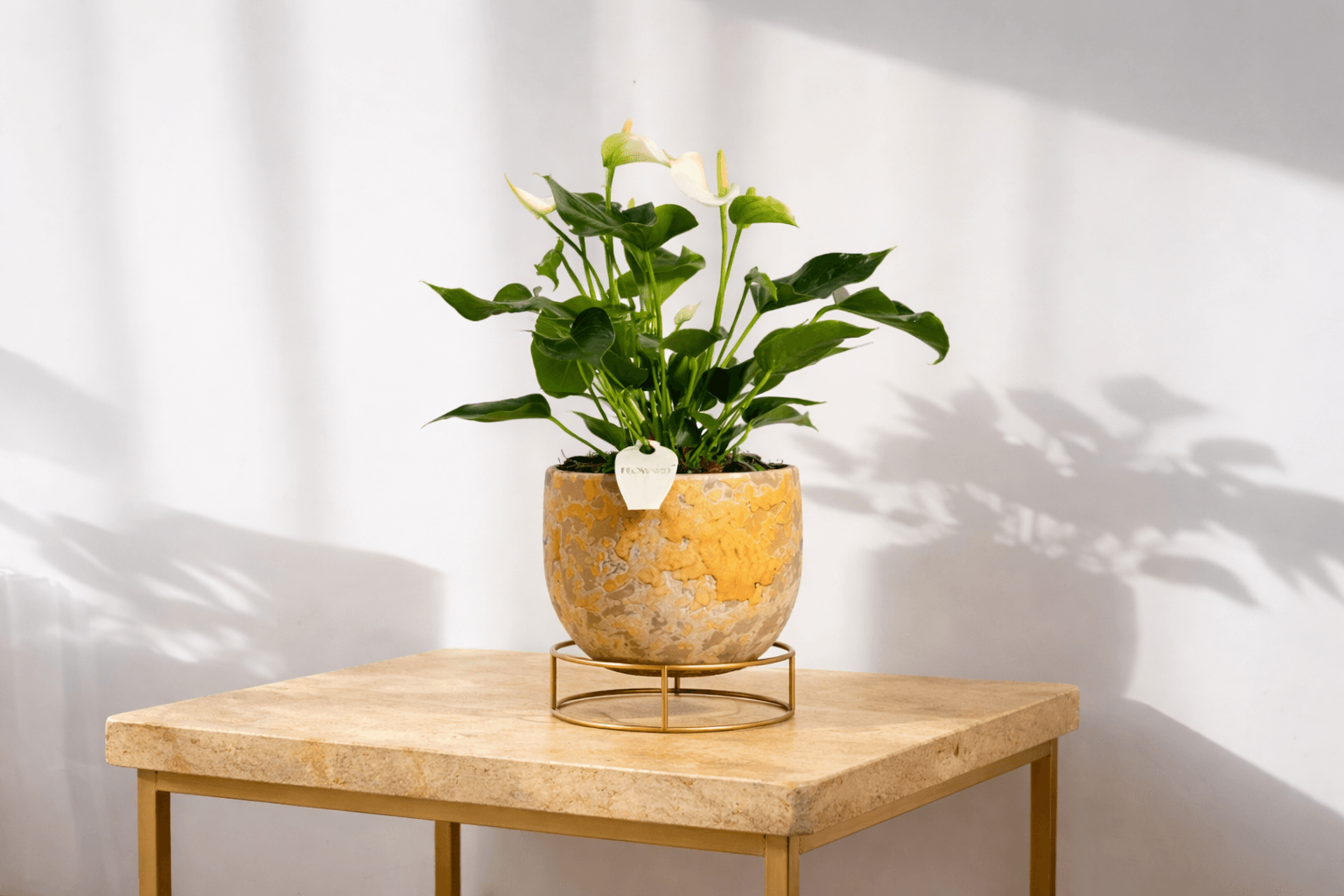
Anthurium contains calcium oxalate crystals, which can be harmful if eaten. These crystals can cause irritation to the mouth and skin. It is important to keep the plant away from pets and children. Handling the plant carefully reduces any risk. Stay informed to maintain a safe indoor environment.
11. Anthurium Is Called the Flamingo Flower
Anthurium is often called the flamingo flower because of its unique shape and bright color. The spathe resembles the body of a flamingo, while the spadix looks like its beak.
12. Anthurium Symbolizes Love, Hospitality, and Happiness

The anthurium plant is often associated with love, warmth, and hospitality because of its heart-shaped spathe and vibrant colors. In many cultures, it is given as a gift to express affection and positive energy. Its long-lasting blooms also represent endurance and lasting relationships.
13. Anthurium Can Help Improve Indoor Air Quality
Anthurium is often mentioned among plants that contribute to cleaner indoor air. Its broad leaves help trap dust particles and may support better air circulation in indoor spaces. While it is not a replacement for proper ventilation, it can still contribute to a fresher environment. This makes anthurium both decorative and functional in your home.
Anthurium is more than just a decorative plant—it is full of unique characteristics and fascinating details. From its unusual structure to its ability to bloom year-round, it stands out among the most beautiful indoor plants.