The Chinese Money Plant, also known as Pilea peperomioides, is one of the most recognizable indoor plants thanks to its coin-shaped foliage and easygoing nature. Plant lovers admire it not only for its modern appearance but also for how simple it is to grow indoors.
Originally native to the mountainous regions of southern China, this plant adapted well to indoor conditions and quickly became a favorite among beginner gardeners. Its compact size, fast growth, and ability to produce baby plants make it both decorative and rewarding to care for.
What Is a Chinese Money Plant?
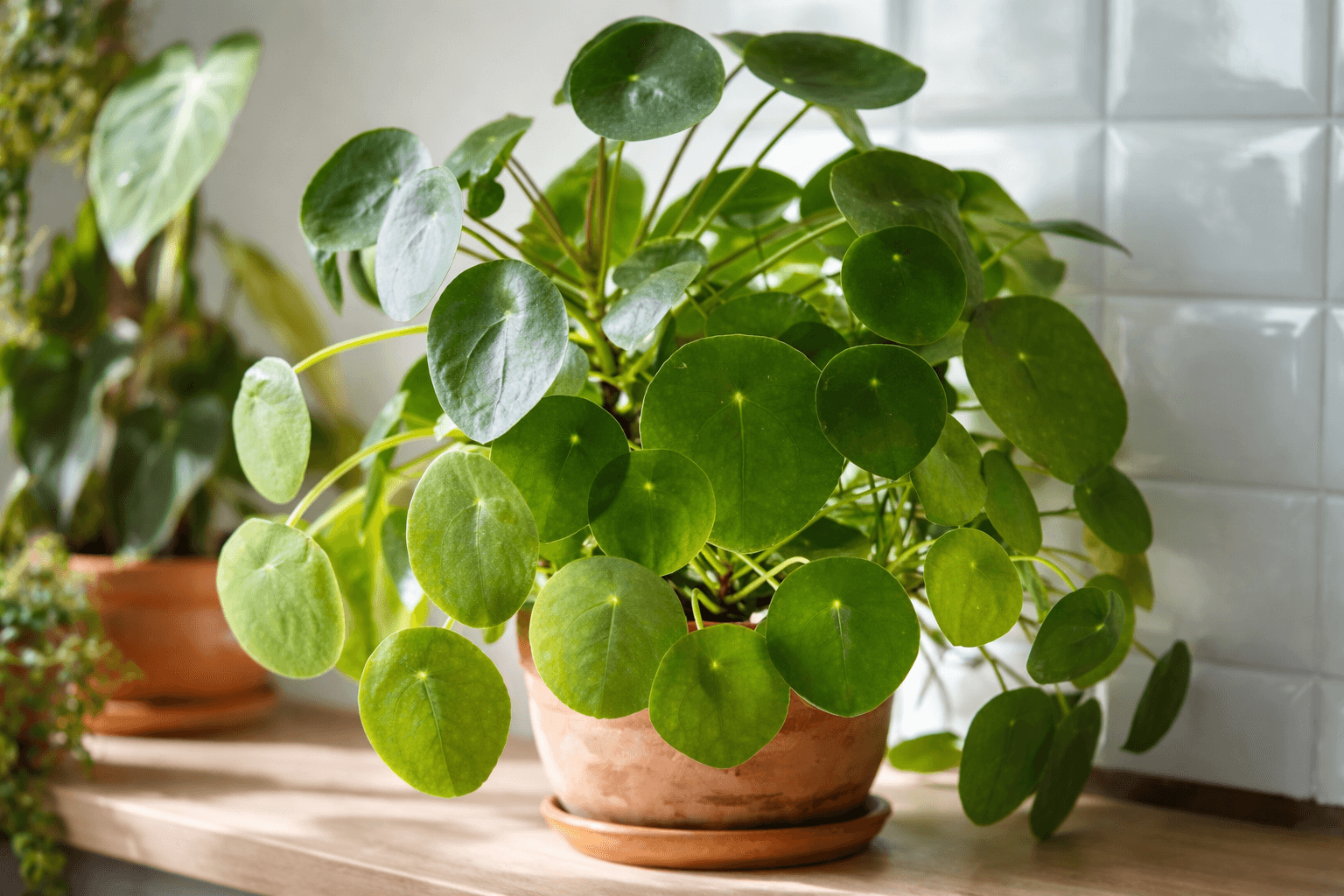
The Chinese Money Plant belongs to the nettle family, scientifically known as Urticaceae. Its botanical name, Pilea peperomioides, may sound complicated at first, but the plant itself is very beginner-friendly. It is often called the Pancake Plant, UFO Plant, or Friendship Plant because people commonly share its baby offshoots with friends and family.
In its natural habitat, this plant grows in shaded forest areas where the climate stays mild and humid throughout the year. Its circular leaves help it capture filtered sunlight efficiently under tree canopies. When grown indoors, the Chinese Money Plant thrives in conditions that mimic these gentle environments.
Best Light Conditions for Chinese Money Plants
Light plays a major role in keeping a Chinese Money Plant healthy and balanced. This plant prefers bright indirect light, which means it should receive plenty of brightness without direct harsh sun touching its leaves. A spot near an east-facing or north-facing window usually works best in most homes.
Too much direct sunlight can scorch the leaves and leave pale or brown marks across the surface. On the other hand, low light often causes stretched stems and smaller leaves as the plant struggles to reach a light source. Rotating the pot every few days helps the plant grow evenly instead of leaning heavily to one side. Discover how proper lighting keeps the foliage round, vibrant, and compact.
How Often Should You Water a Chinese Money Plant?
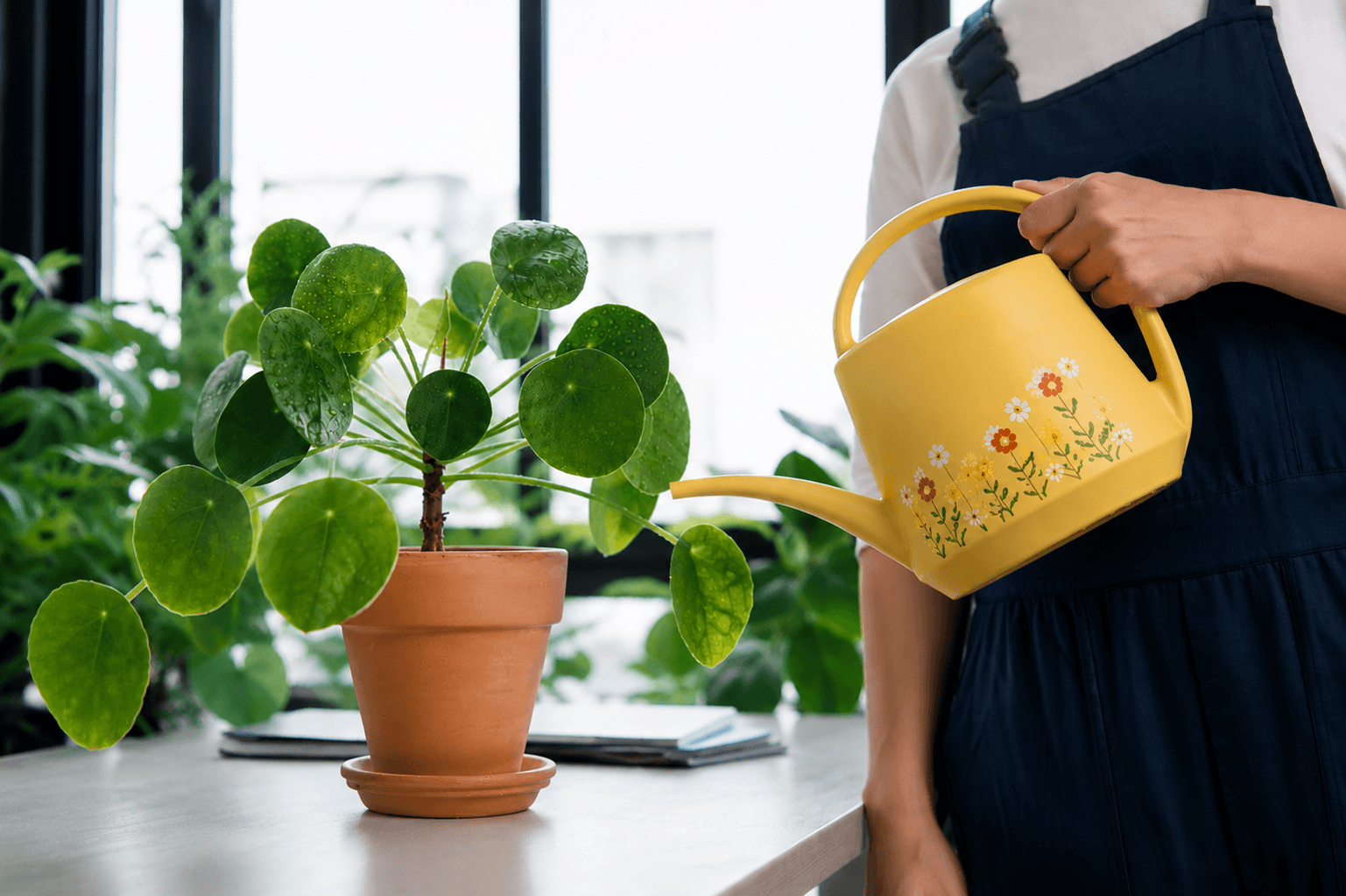
One of the most common mistakes beginners make is watering too often. Chinese Money Plants prefer slightly dry soil between watering sessions, so it is important to check the top inch of soil before adding more water. If the surface still feels damp, it is best to wait another day or two.
During spring and summer, watering once every week is usually enough in average indoor conditions. In cooler months, the plant grows more slowly and requires less moisture. Overwatering may lead to yellow leaves, mushy stems, and root problems, while underwatering often causes drooping or curling leaves. Discover how observing the soil instead of following a strict schedule helps prevent most watering issues.
Best Soil and Pot for Healthy Growth
Chinese Money Plants grow best in loose, well-draining soil that allows air to reach the roots. A standard indoor potting mix combined with perlite or coarse sand helps excess moisture drain more efficiently. Heavy compact soil tends to trap water and increases the risk of root rot over time.
The container should always include drainage holes at the bottom to prevent water from collecting around the roots. Terracotta pots are especially useful because they absorb extra moisture from the soil naturally. Choosing the right soil and container combination creates a healthier growing environment from the start. Explore how proper drainage supports stronger root development and healthier foliage.
Ideal Temperature and Humidity for Chinese Money Plant

Chinese Money Plants enjoy moderate indoor temperatures between 16°C and 24°C. Sudden temperature changes from air conditioners, heaters, or cold drafts can stress the plant and slow down growth. Keeping the plant in a stable environment helps maintain healthy leaves throughout the year.
Although this plant tolerates average indoor humidity, it appreciates slightly higher moisture levels in dry homes. Placing nearby plants together or using a pebble tray with water can improve humidity naturally around the foliage. Avoid placing the plant directly beside heating vents because dry air may cause brown edges on the leaves.
Fertilizing Tips for Faster Growth
Chinese Money Plants benefit from light feeding during their active growing season in spring and summer. A balanced liquid houseplant fertilizer diluted to half strength usually provides enough nutrients without overwhelming the roots. Fertilizing once every four to six weeks is generally sufficient for healthy growth.
Too much fertilizer can create salt buildup in the soil, leading to brown leaf tips and weak roots. During fall and winter, the plant naturally slows its growth and does not need regular feeding. Applying fertilizer only during active growth helps the plant use nutrients more efficiently.
How to Propagate a Chinese Money Plant
One of the most exciting features of the Chinese Money Plant is how easily it produces baby plants, commonly called pups. These small offshoots usually grow from the soil near the base of the mother plant. Once the pups reach a few inches tall, they can be separated and grown independently.
Using clean scissors, carefully remove the pup with a small portion of roots attached. The cutting can then be placed in water or directly into moist soil until new growth appears. Water propagation allows gardeners to observe root development closely, while soil propagation reduces transplant shock later on.
Common Chinese Money Plant Problems and Solutions
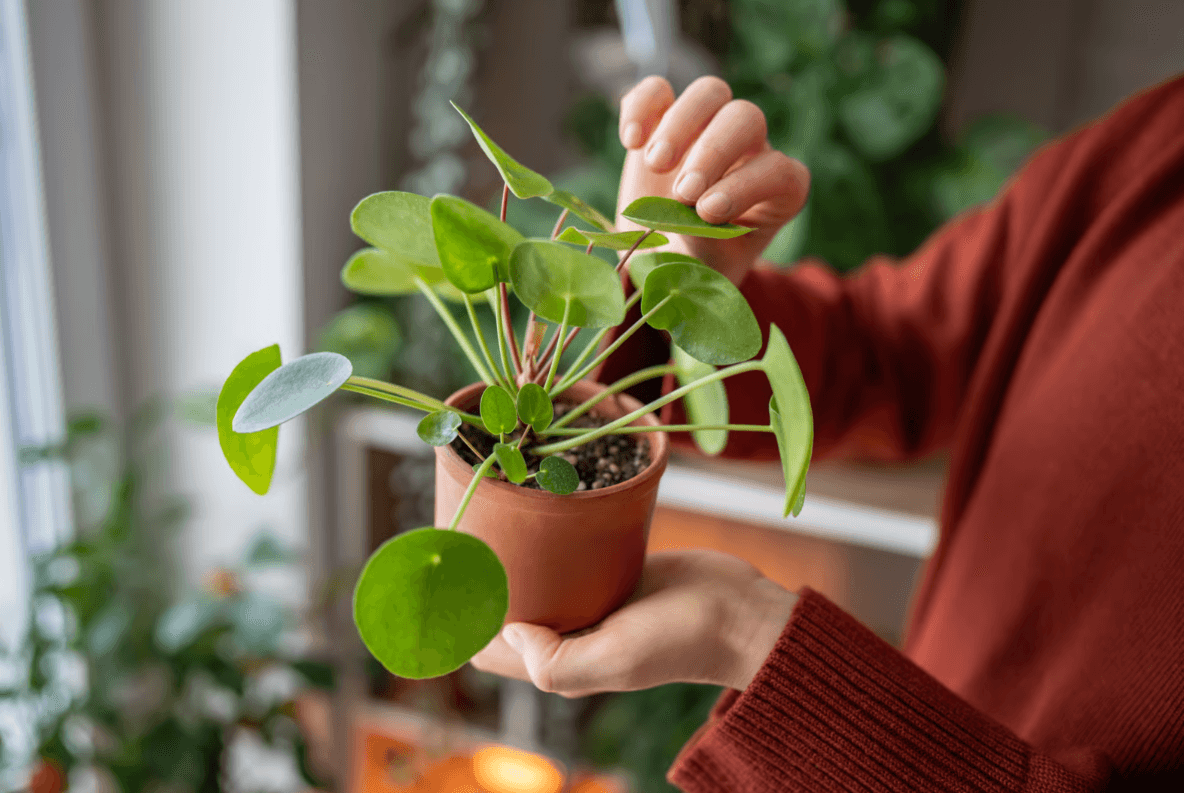
Chinese Money Plant problems are usually easy to identify once the leaves and stems start showing visible changes. Understanding the most common Pilea peperomioides issues helps beginners fix plant stress quickly before it affects overall growth. Use this quick care guide to spot symptoms, understand the causes, and apply simple solutions for healthier indoor plants.
Money Plant Problem
| Common Causes
| Easy Solution
|
| Yellow Leaves: | Overwatering, soggy soil, poor drainage, natural aging of older leaves | Allow the top soil to dry before watering again, improve drainage, and remove damaged leaves |
| Curling Leaves: | Too much direct sunlight, dry air, inconsistent watering, sudden temperature changes | Move the plant to bright indirect light, maintain even watering, and improve humidity |
| Drooping Stems: | Underwatering, low light, weak stem growth | Water thoroughly when soil becomes dry and place the plant closer to indirect sunlight |
| Brown Spots on Leaves: | Sunburn, fertilizer buildup, inconsistent watering | Keep away from harsh direct sun, flush excess fertilizer salts from soil, and maintain steady watering habits |
| Root Rot: | Constantly wet soil, poor drainage, overwatering | Remove damaged roots, replace wet soil with well-draining mix, and reduce watering frequency |
| Small or Pale Leaves: | Insufficient light or lack of nutrients | Increase exposure to bright indirect light and fertilize lightly during spring and summer |
| Leaning or Uneven Growth: | Plant growing toward one light source | Rotate the pot every few days to encourage balanced growth |
| Leaves Falling Off: | Stress from sudden temperature changes, inconsistent care, or underwatering | Keep the plant in stable indoor conditions and avoid sudden environmental shifts |
| Slow Growth: | Low light, cold temperatures, or lack of feeding during growing season | Move to a brighter location and apply balanced fertilizer during active growth months |
| Pests (Spider Mites, Mealybugs, Fungus Gnats): | Dry air, overly moist soil, poor airflow | Wipe leaves regularly, improve airflow, and use neem oil or insecticidal soap if needed |
Chinese Money Plant Care Tips for Beginners
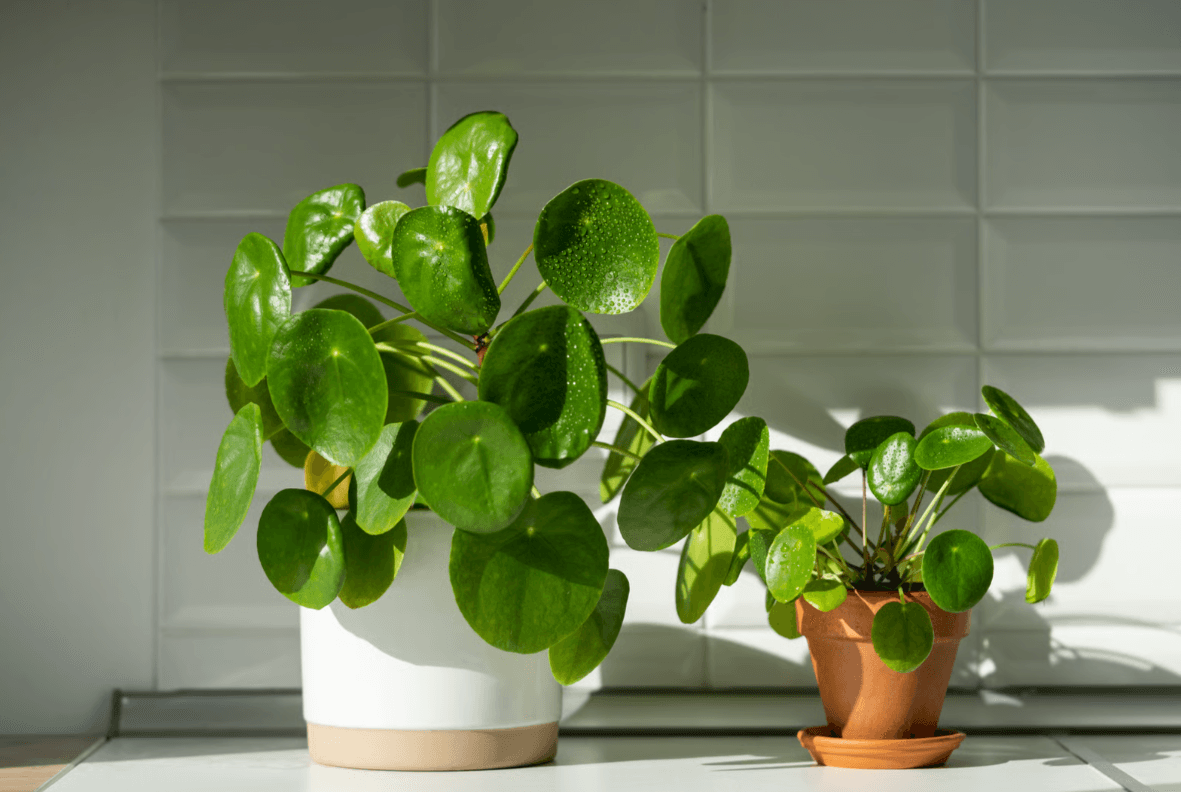
Chinese Money Plants grow best with simple, consistent care habits instead of frequent changes. These beginner-friendly tips can help keep the plant healthy, balanced, and full of vibrant green leaves throughout the year.
- Rotate the plant every few days to encourage even growth and prevent leaning toward sunlight.
- Clean dust from the leaves regularly so the plant can absorb light more efficiently.
- Avoid overwatering by checking the top inch of soil before watering again.
- Keep the plant in bright indirect light instead of harsh direct sun.
- Avoid moving the plant too often between rooms because sudden environmental changes can stress the foliage.
- Maintain stable indoor temperatures and keep the plant away from cold drafts or heating vents.
- Use a pot with proper drainage holes to help prevent root rot and excess moisture buildup.
- Be patient with growth, especially during colder months when the plant naturally grows more slowly.
- Observe the leaves closely, as changes in color or shape often signal watering or lighting issues early.
- Follow small daily care habits consistently to keep your Chinese Money Plant healthy for many years.
Frequently Asked Questions
1. Is the Chinese Money Plant the Same as the Chinese Money Tree?
No, the Chinese Money Plant and the Chinese Money Tree are completely different plants, even though their names sound very similar. The Chinese Money Plant (Pilea peperomioides) is a small indoor plant known for its round coin-shaped leaves, while the Chinese Money Tree (Pachira aquatica) is a larger tropical plant with braided stems and palm-like leaves.
Both plants are popular in homes because they are believed to symbolize luck, prosperity, and positive energy. However, their care needs, growth habits, and appearance are quite different. The Chinese Money Plant prefers compact indoor spaces and bright indirect light, while the Chinese Money Tree usually grows taller and enjoys slightly more humidity.
2. Is the Chinese Money Plant pet-friendly?
Yes, the Chinese Money Plant is generally considered non-toxic to cats and dogs, making it a safer option for homes with pets. However, it is still best to prevent pets from chewing the leaves excessively.
3. Why are the leaves falling off?
Leaf drop often happens because of sudden temperature changes, inconsistent watering, or low light conditions. Older leaves near the bottom may also fall naturally as the plant matures. Monitoring environmental stability usually helps reduce excessive leaf loss.
4. Can a Chinese Money Plant grow in low light?
The Chinese Money Plant can survive in low light, but growth becomes slower and stems may stretch noticeably toward available light. Bright indirect light produces fuller leaves and healthier overall growth.
5. How fast does a Chinese Money Plant grow?
Under good indoor conditions, Chinese Money Plants grow relatively quickly during spring and summer. Healthy plants often produce multiple baby offshoots within a single growing season. Consistent care encourages steady growth and fuller foliage over time.
The Chinese Money Plant is one of the easiest and most rewarding indoor plants for beginners and experienced gardeners alike. Its round decorative leaves, simple care needs, and easy propagation make it a popular choice for modern homes. With the right balance of light, water, and drainage, this plant can stay healthy and vibrant for many years.